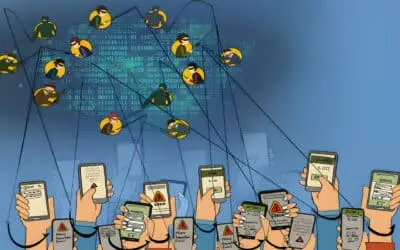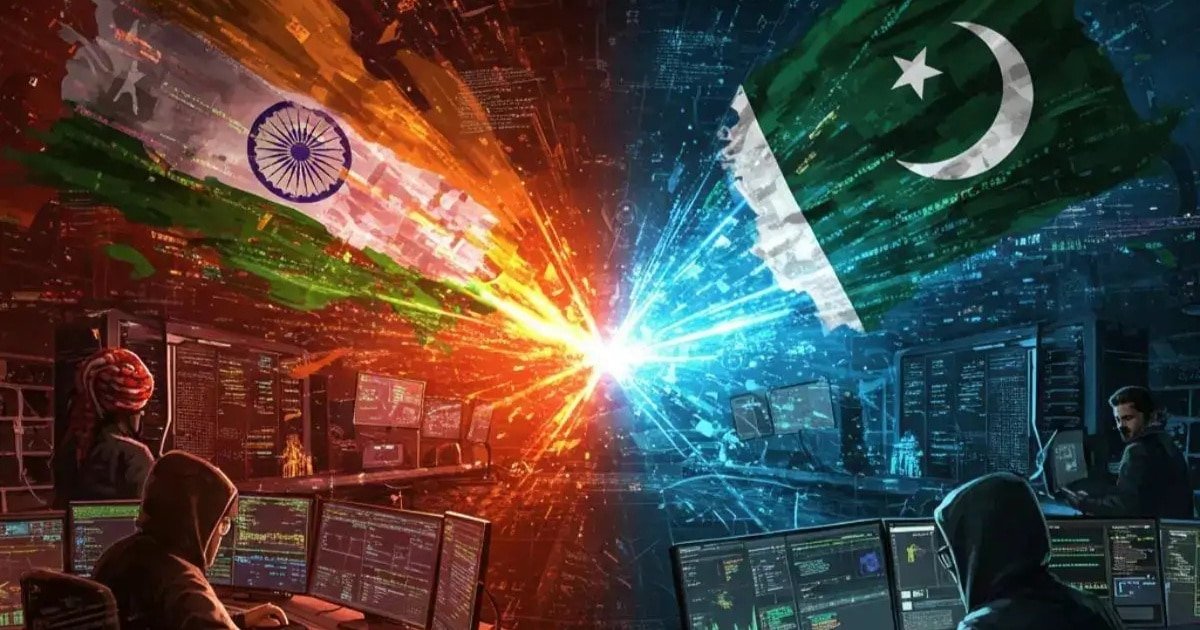


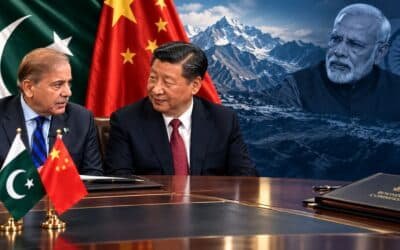


Pakistan faces a complex hybrid warfare threat from India. This includes cyber-attacks, espionage, and disinformation. Hybrid warfare combines conventional, unconventional, and cyber tactics with politics and propaganda. India’s goal is to weaken Pakistan’s stability and global image. Tools include disinformation, digital sabotage, psychological pressure, and cultural manipulation. In 2020, investigators exposed India-backed networks of fake media outlets and NGOs spreading anti-Pakistan stories. Social media has been a key battleground. In 2024, Facebook flagged thousands of Indian-linked fake accounts pushing false images and claims. Many portrayed Pakistan as a failed state during the Baloch protests. Cyber groups from India also carried out DDoS attacks and data breaches against Pakistani government sites. They aimed to disrupt public order.
Lt Gen (retd) Naeem Khalid Lodhi said hybrid war requires knowing the enemy’s will and choosing targets carefully. At a CGSS roundtable, experts identified threats in physical, information, cognitive, and social domains. The aim is to isolate Pakistan and break national will. Media and diplomacy fuel anti-state narratives. Weak institutions and internal confusion worsen the challenge. Education reform is vital to restoring nationalism. Economic sabotage is also used as a weapon. Security depends on development. Lodhi assured that strategies will be added to the National Security Policy, while CGSS prepares proposals for the National Security Division.
The Pakistan Telecommunication Authority’s 2023 report shows a steep rise in cyberattacks. It recorded 720 malware cases, 550 phishing attempts, 300 DDoS attacks, 200 ransomware intrusions, and 150 insider threats. APT groups like Gamaredon, Donot, Sidewinder, Lazarus, Bitter, and Kimsuky were behind many of these. Their targets included government offices, telecom networks, healthcare systems, and internet infrastructure. The findings highlight the urgent need to strengthen cybersecurity and safeguard critical sectors and national security.
You May Like To Read: Regulating the Infoscape: PECA, PTA, and Legal Responses to Information Warfare (IW16)
Source: The Express Tribune
Cyber and Espionage
India’s cyber power is expanding fast. Groups like SideWinder, active since 2012, have targeted South Asian states and companies to serve Indian goals. Other APTs, such as Viceroy Tiger, used spear-phishing and mobile malware against Pakistan. India has also set up a tri-service Defense Cyber Agency to manage its offensive cyber tools. This leaves Pakistan open to data theft and sabotage. In 2019, the “Rattlesnake” group hijacked traffic to hit Pakistan Navy networks, stealing data and planting fake press releases. Such operations show why Pakistan needs strong, unified cyber defenses.
Source: The Daily Swig
India’s hybrid campaign also strikes at narratives and public opinion. It spreads ethnic and sectarian divides to push Pashtun and Baloch separatism. Bollywood films like “Uri: The Surgical Strike” reinforce hostile images of Pakistan in popular culture.
You may also read: Bollywood’s Latest Propaganda Machine: “Battle of Galwan” Rewrites History Once Again
Pakistan’s Cybersecurity Challenges and Countermeasures
Pakistan faces a fast-growing cybersecurity threat. Attacks target government data, the power grid, and the financial sector. Critical infrastructure shows clear vulnerabilities. Initiatives like the National Cybersecurity Policy 2021, PakCERT, and FIA and PTA involvement show progress. Yet enforcement gaps, underfunding, and poor inter-agency coordination limit their impact. Advanced Persistent Threat groups, often linked to geopolitical rivals, increase the risks. This underscores the strategic nature of cyber threats and the need to integrate cybersecurity into national defense.
Pakistan must counter hybrid threats with a proactive, multi-pronged plan. Experts call for a joint cyber command integrating civilian and military efforts to track and block digital attacks. Pakistan also needs a strong strategic narrative. Instead of simple denials, it should tell its own story through digital diplomacy, multilingual content, and global outreach. Partnerships with states like Turkey, Malaysia, and Indonesia can help develop AI tools for detecting disinformation and enable joint cyber investigations. At home, media literacy and fact-checking are vital to shield citizens from fake news. Experience shows the value of vigilance. The capture of RAW officer Kulbhushan Jadhav in 2016 exposed Indian espionage and terrorism in Balochistan. Such wins highlight the need for constant counterintelligence.
Pakistan is recognizing the importance of collaborative cyber governance. Global models, like the UN Open-Ended Working Group, include civil society, academia, and the private sector in cybersecurity planning. Regional efforts, such as OIC-CERT, improve cross-border coordination, threat intelligence, and incident response. Case studies from Ghana, Mexico, and Kenya show that inclusive consultation builds better national plans and public trust. In Pakistan, the National Cybersecurity Policy 2021 and PTA’s 2023 framework emphasize multi-stakeholder cooperation. NCCS, PKCERT, and NCCIA link government, industry, and academia. Coordination with telecom, banking, health, media, and civil society, plus drills and international partnerships, strengthens national cybersecurity.
Conclusion
Pakistan faces rising cyber and hybrid threats. These hit government, military, and key infrastructure. They also target public opinion and narratives. Advanced groups and disinformation campaigns make risks worse. Countering them needs strong laws and unified commands. Civilian and military agencies must coordinate closely. Public awareness and media literacy are vital. The private sector must join efforts. Global partnerships and R&D in cybersecurity add strength. Lessons from past counterintelligence wins show vigilance is key. Technology, policy, and human capacity must work together. This will secure Pakistan’s digital space. It will protect national security. It will resist external attempts to destabilize the state and society.