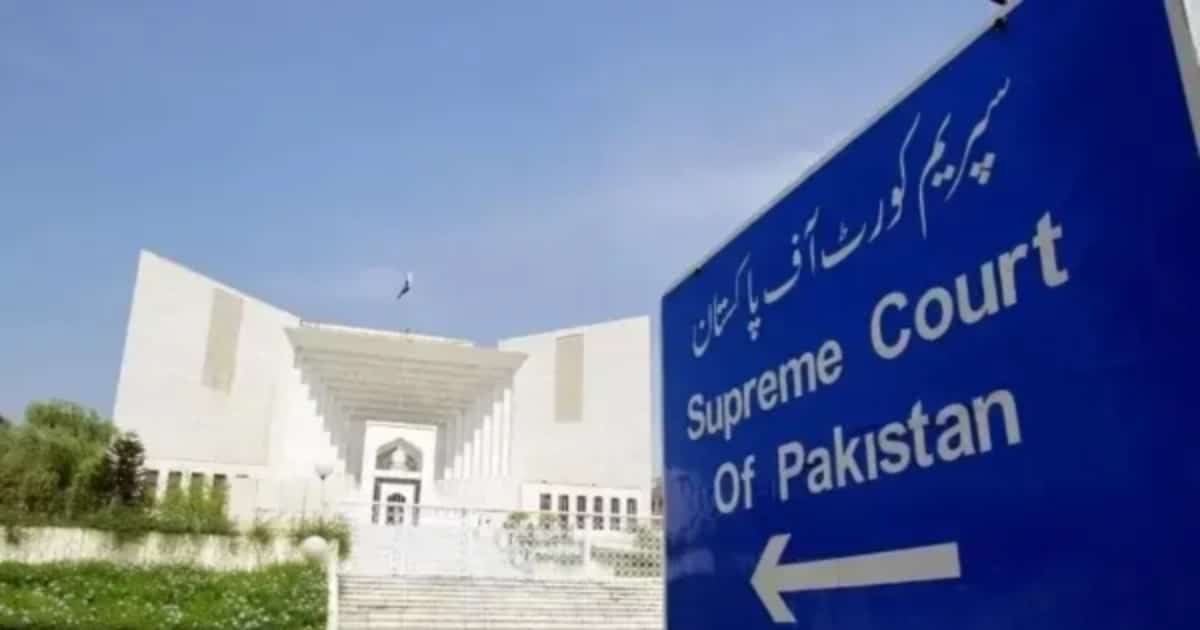





ISLAMABAD — The National Cyber Crime Investigation Agency (NCCIA) has moved the Supreme Court of Pakistan to challenge the acquittal of Aneeqa Ateeq, a young woman previously sentenced to death for allegedly sharing blasphemous content on WhatsApp. The appeal, filed on Tuesday, January 27, 2026, seeks to overturn a landmark October 2025 decision by the Lahore High Court (LHC) Rawalpindi Bench that cleared her of all charges.
The Case Timeline
- May 2020: Aneeqa Ateeq was arrested following a complaint by Hasnat Farooq, whom she had met through an online gaming app.
- January 2022: A trial court in Rawalpindi convicted her under Section 295-C (blasphemy) and the Prevention of Electronic Crimes Act (PECA), awarding her the death penalty and 20 years of imprisonment.
- October 28, 2025: The LHC Rawalpindi Bench (Justice Sadaqat Ali Khan and Justice Chaudhry Waheed) acquitted her, citing “serious procedural flaws” and “untrustworthy evidence.”
You May Also Like: Tirah Valley Evacuation: Officials Say 80-85pc Residents Already Moved Out
The LHC Acquittal: “No Forensic Proof”
In its October ruling, the High Court criticized the prosecution for failing to provide credible digital evidence.
- The Device Issue: The court noted that the mobile phone allegedly used to share the material was never forensically verified by the FIA’s Cyber Crime Wing.
- Ownership: During the appeal, it was revealed that the implicated phone actually belonged to another woman who was never even named as a co-accused.
- Judicial Inquiry: Justice Sadaqat Ali Khan famously questioned the prosecution: “When no evidence exists against the accused, how was a death sentence justified?”
NCCIA’s Grounds for Appeal
The NCCIA, represented by the Additional Attorney General, argues that the High Court’s acquittal resulted from a “misreading of facts.”
- Admission of Guilt: The agency claims that during the original trial, Ateeq “consistently admitted” to the acts attributed to her during cross-examination.
- Digital Recovery: The NCCIA maintains that the recovery of the mobile phone was legally proved and that Ateeq did not deny ownership of the device at the trial stage.
- Legal Interpretation: The appeal contends the LHC ignored established legal protocols regarding digital evidence under PECA 2016.
After being arrested and sentenced to death five years ago in Pakistan’s first cyber blasphemy case filed by the Legal Commission on Blasphemy Pakistan, Aneeqa Ateeq walks free as the case collapses in court over lack of credible evidence.@NuktaPakistan https://t.co/lDu7P5TcWf
— Ali Hamza (@alihamzaisb) October 28, 2025
Context: The “Blasphemy Business” Controversy
The case of Aneeqa Ateeq has become a focal point for human rights groups highlighting the rise of “digital entrapment.” * Entrapment Allegations: Ateeq’s defense consistently argued that the complainant, Hasnat Farooq, intentionally lured her into a religious debate for “revenge” after she refused his social advances.
- Wider Trend: Analysts have noted a significant uptick in blasphemy cases involving manipulated online content—rising from 9 cases in 2021 to 475 in 2024.
What’s Next?
- Preliminary Hearing: The Supreme Court is expected to conduct a preliminary hearing within the next two weeks to determine the maintainability of the NCCIA’s appeal.
- Custody Status: Despite her acquittal in October, Ateeq remains a high-profile figure under state protection due to the sensitive nature of the allegations.
Check out our latest video: