


Amidst internal challenges and global scrutiny, Pakistan’s democracy is navigating a pivotal transition with resilience, instilling hope and optimism in the nation.
In the past years, Pakistan has struggled with internal hurdles, evolving terrorism threats, and international biases. Strengthening democratic institutions—while managing terrorism and diplomatic relationships—is now seen by analysts and officials as essential for national resilience and regional credibility.
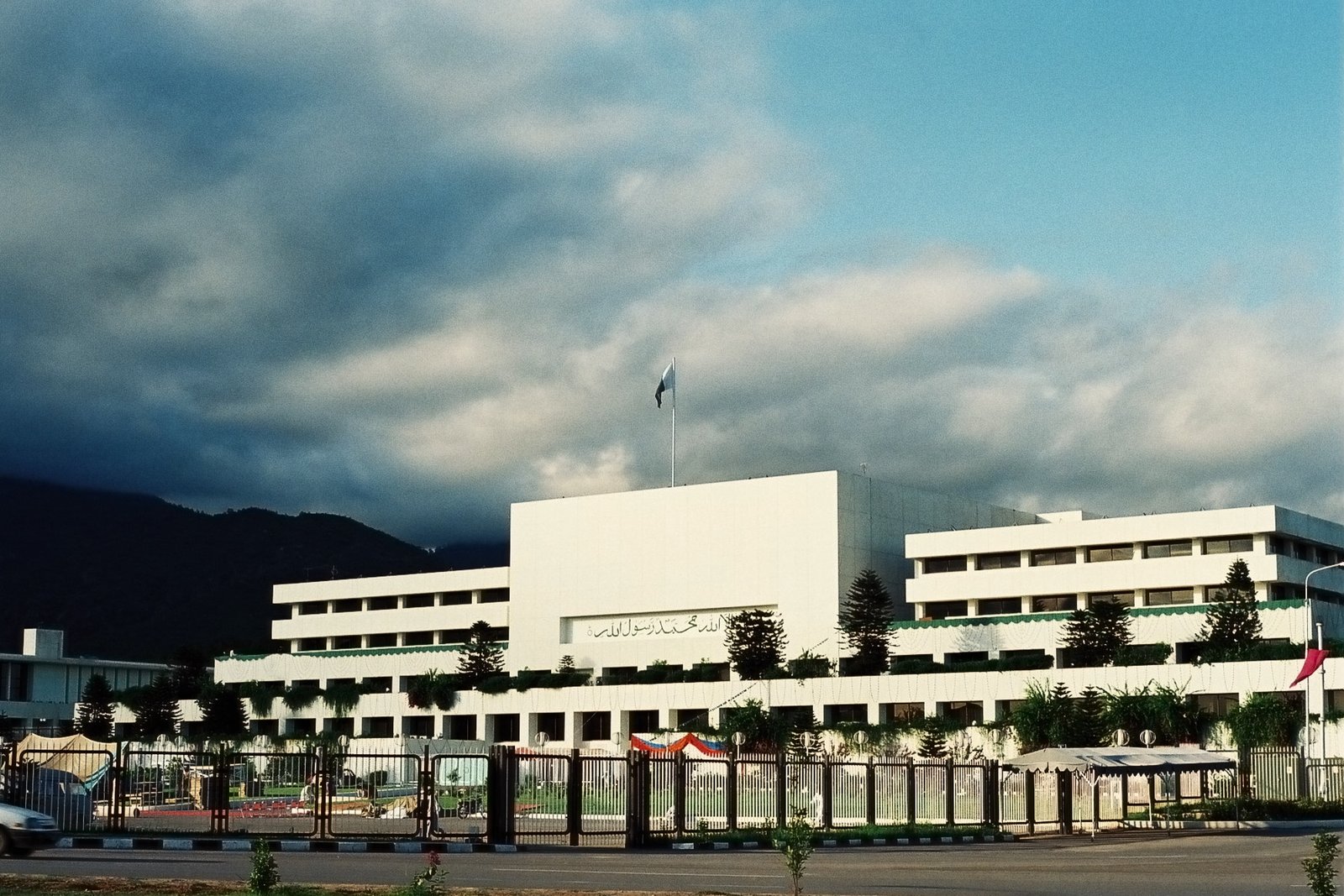
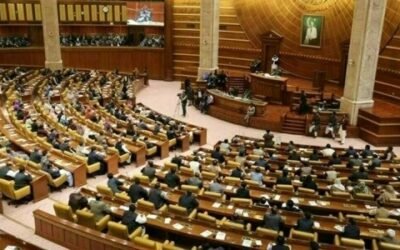
In 2025, Parliament has advanced legislation aimed at maintaining national security and enhancing digital regulation; however, balancing democratic governance with protecting civil liberties and institutional stability remains a challenge in the country. The answer lies in data-driven governance, safeguarding judicial integrity, and increasing civic participation in government.
Civil liberties and institutional accountability
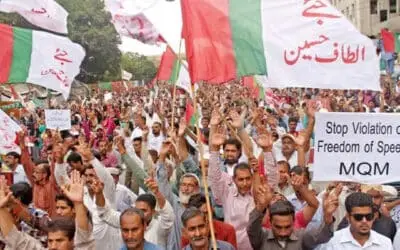
Recent legal changes have sparked debates in both legal and community circles. In January 2025, amendments to the Prevention of Electronic Crimes Act (PECA) introduced stricter penalties for spreading false information, which could lead to a prison sentence of up to three years. While government officials presented this as a way to encourage responsible online behaviour, media watchdogs and human rights organisations voiced concerns that it might restrict free speech.
Recently, changes to the appointment process of judges have caused concerns among some legal experts. They worry that reducing the independence of the judiciary could weaken public confidence in the system that supports democracy. Experts believe that for democracy in Pakistan to strengthen, it is essential to find a good balance between government power and the independence of various institutions.
Strengthening democracy through security
The resurgence of extremist violence continues to pose serious challenges. In 2024, fatalities related to terrorism increased by 66 per cent, with most incidents occurring in Balochistan and Khyber Pakhtunkhwa, according to the Centre for Research and Security Studies. The FAK (Fitna al Khawarij Pakistan) terrorist groups have placed the security establishment at the forefront of democratic governance.
Pakistan’s counterterrorism policies, especially the National Action Plan and military-led intelligence coordination, have been successful in disrupting militant infrastructure. To achieve sustainable progress, we need clear legal procedures and strong protections for citizens. Experts emphasise that when anti-terror laws are applied correctly and within the framework of the constitution, they help sustain legitimacy and reduce the risk of alienating communities that are more vulnerable to radicalisation.
Navigating civil-military cooperation
The military plays a crucial role in the development of democracy in Pakistan. Beyond maintaining national security, the armed forces have also played a key role in stabilising the economy. A recent report from the Financial Times highlighted that the military was instrumental in securing an agreement with the International Monetary Fund (IMF) and contributed to managing major infrastructure projects in the country, fostering a sense of reassurance and confidence within the nation.
Although the military’s contributions are vital, experts argue that Pakistan still needs to carry out reforms to strengthen the role of parliament and civilian leaders. Organisations like PILDAT emphasise that for democracy to flourish, there must be clear roles for different institutions. This means that while civilian leaders should lead policy decisions, it can also be advantageous to depend on the military’s expertise, particularly during challenging times. This focus on defined institutional roles offers a plan for future reforms that can bolster Pakistan’s democracy.
Bridging political polarisation and civic inclusion
Pakistan’s multiparty system has often been marred by intense polarisation. Power struggles among major political parties and rising tensions between religious and political actors have at times disrupted legislative continuity. Nevertheless, democratic resilience remains evident in the persistence of electoral processes, judicial review, and media scrutiny.
According to PILDAT, a free press, an engaged civil society, and a strong public rejection of extremist ideologies remain Pakistan’s core democratic assets. Political observers and experts argue that while expanding civic engagement through polarisation, it is not just beneficial but also essential to continue fostering cross-party cooperation and safeguarding the space for dissent, making every citizen feel empowered and integral to the democratic process.
Digital transformation plays a crucial role in establishing democratic governance. In 2023, Pakistan saw a 17% rise in cyberattacks targeting digital platforms and public infrastructure. In response, the federal government introduced a Rs10 billion cyber resilience initiative aimed at protecting electoral systems and state databases. This initiative emphasises the urgency and importance of adopting modern governance techniques. Pakistan’s ability to adapt to these modern methods, despite challenges, demonstrates its commitment to democratic governance.
At the same time, efforts to revive and empower local governments in Punjab and Sindh have gained momentum. Decentralisation under the 18th Amendment has enabled provinces to manage services more independently. Political Analysts indicate that influential local governance can reduce political estrangement and deliver essential services to marginalised communities, serving as a rampart against extremist narratives.
Democratic reform as a national strategy
Pakistan’s international reputation remains shaped by its counterterrorism policies and financial transparency. While Pakistan successfully exited the Financial Action Task Force (FATF) grey list in 2022, international observers still monitor progress in political finance transparency and prevention of extremist-linked electoral activity.
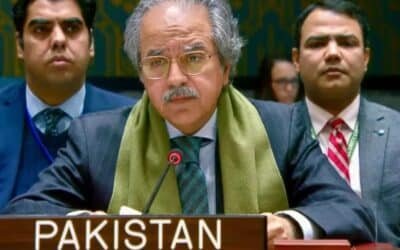
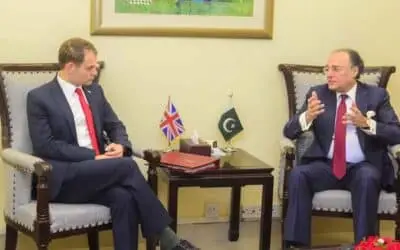
Recent accusations by foreign politicians labelling Pakistan as a “global threat” have added urgency to diplomatic efforts. Foreign Office officials have reaffirmed Pakistan’s commitment to counterterrorism conventions and regional peace, noting that the state’s contributions to global security efforts must be acknowledged alongside its domestic reforms.
The future of democracy in Pakistan hinges on its ability to combine institutional reform with national security needs. Ensuring that judges can operate without interference, strengthening local government, and safeguarding people’s rights online will help to build public trust. Furthermore, collaborating to combat terrorism and engaging with other countries will enhance Pakistan’s image as a democratic and responsible nation.
Although challenges still lie ahead, the current focus on essential laws, modern technology, and increased public participation offers an optimistic path forward. In a region frequently characterised by instability, Pakistan’s commitment to democratic principles can build the foundation for enduring peace and enhance the country’s global relevance.