




The rise of FAK activity in Khyber Pakhtunkhwa is not only a regional conflict; it also signifies a struggle to maintain democratic stability, uphold the rule of law, and secure the borders in Pakistan’s volatile geopolitical landscape.
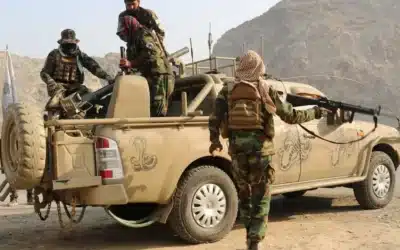
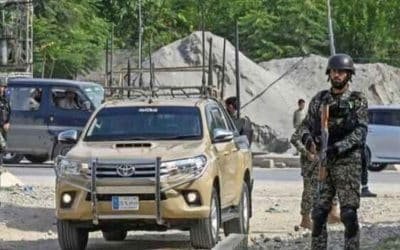
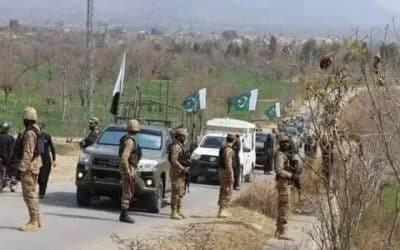
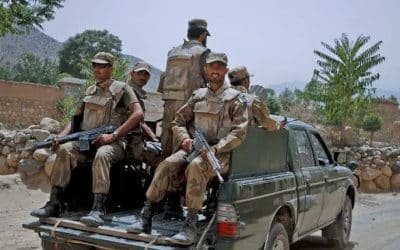
The resurgence of Fitna al khawarij Pakistan (FAK) in Khyber Pakhtunkhwa has become a serious national security crisis, prompting Islamabad to respond with a coordinated military, diplomatic, and community-based effort. Security analysts report that 2024 saw the highest proactive activity in five years, with KP bearing the worst of the violence, June 29, 2025.
A report by the Pakistan Institute for Conflict and Security Studies showed a 23% increase in terrorist attacks, with 521 incidents resulting in over 850 deaths. More than 95% of these attacks were concentrated in KPK and Balochistan.
FAK’s cross-border terrorism and the Afghan Taliban’s alleged backing fuel militant resurgence in KPK.
In response to the increase, the federal government launched Operation Azm‑e‑Istehkam in mid-2024. The operation combines precise military targeting, counterterrorism efforts, socioeconomic support, and more aggressive prosecution of militants.
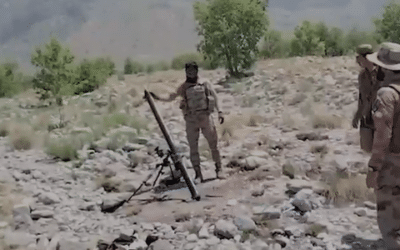
According to military sources, over 500 militants have been killed during operations in KPK and Balochistan. A key engagement took place on April 27 in North Waziristan, where 54 FAK fighters were killed, marking one of the heaviest single-day losses for the FAK group.
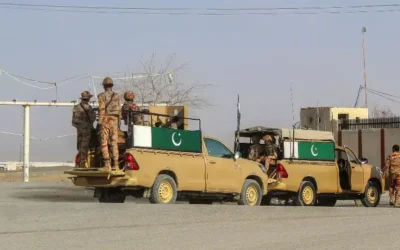
Despite all preventive measures, militant attacks still occur, causing significant harm to human lives in KPK. On June 28, the Hafiz Gul Bahadur faction targeted a military convoy in Mir Ali, killing 16 soldiers and injuring dozens, including civilians.
A UN Security Council report states that the Afghan Taliban continues to provide financial (approx. $43,000 per month) and logistical support to FAK factions, with training camps in the eastern region of Afghanistan and an estimated 600 fighters operating from that territory.
Operation Azm-e-Istehkam sees tactical gains, but long-term stability also hinges on political consensus and civil-military synergy.
Islamabad has repeatedly urged Kabul to follow the Doha Agreement by preventing Afghan territory from being used for attacks against Pakistan. Meanwhile, KP provincial authorities have also started limited talks with Afghanistan to promote intelligence sharing and de-escalation efforts to stop terrorist actions by the FAK.
Residents of conflict-prone districts like Bajaur, Dera Ismail Khan, and South Waziristan are feeling somewhat uncertain due to the recent resurgence of FAK in KPK. Bannu schoolteacher Shahbaz Afridi said:
“The presence of security forces has increased, and while the situation is tense, people are hopeful the worst is behind us.”
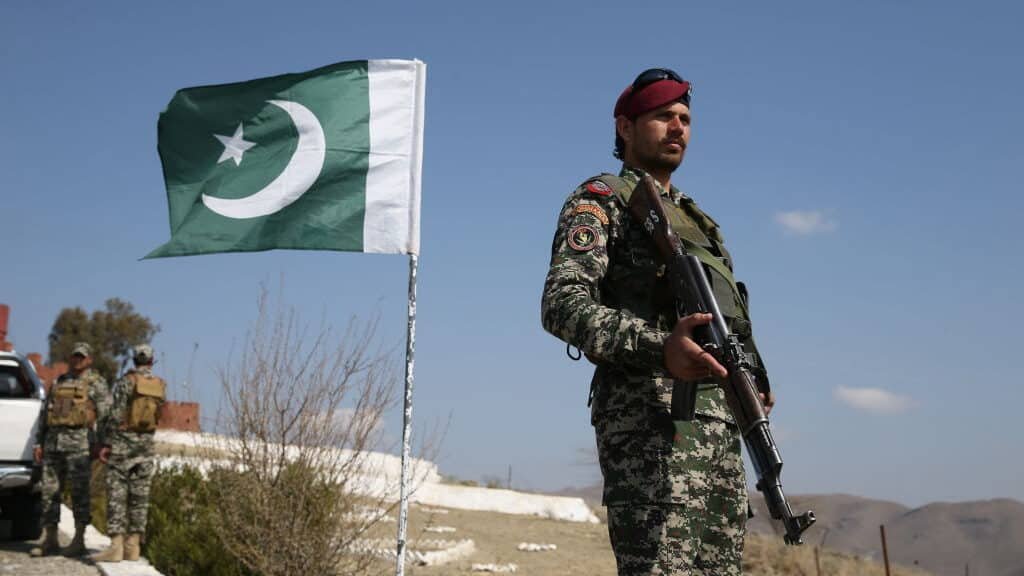
Human rights organisations have urged military restraint to minimise the collateral damage. In response, the Interior Ministry of the province dispatched rapid‑response units trained in community outreach and civilian protection.
KPK’s security challenge has prompted a national political consensus. Prime Minister Shehbaz Sharif told the National Assembly this month,
“The fight against terrorism is a fight for Pakistan’s soul, and it demands unwavering unity.”
Post-conflict development funds have generated some tensions between federal and provincial governments. However, the relaunch of the National Action Plan has enhanced civil-military coordination through apex committee forums in provincial capitals.
Pakistan’s counterterrorism efforts have major effects on the security of the China-Pakistan Economic Corridor (CPEC). Instability in Khyber Pakhtunkhwa (KPK) and Balochistan could delay the development of CPEC’s western corridor. Islamabad has reached out to foreign missions and regional partners regarding its security operations, seeking international support and recognition for its fight against terrorism.
Pakistan’s successful fight against the FAK is not only a military effort; it also depends on developing a terrorism strategy and fostering diplomatic dialogue between the two neighboring countries. The resurgence of FAK in Khyber Pakhtunkhwa (KPK) is a significant threat to the region and to the progress of peace talks between Pakistan and Afghanistan. Pakistan not only aims to combat militancy but also seeks to establish lasting stability in the region through sustainable political will, effective international cooperation, and community resilience.
As Pakistan undergoes economic recovery, political alignment, and advancements in military capabilities, its counterterrorism approach is increasingly gaining recognition on the international stage. This changing landscape has fostered a greater willingness among global partners to respond positively to Pakistan’s calls for regional collaboration and financial backing for counter-extremism efforts.