
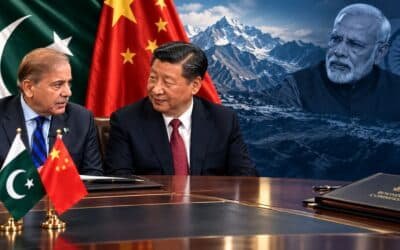


ISLAMABAD (April 10, 2026) — Pakistan has launched an intensive diplomatic rescue mission to prevent the collapse of the U.S.-Iran ceasefire, following revelations that Tehran was on the verge of military retaliation last night. As Israeli strikes in Lebanon continue to strain the “Islamabad Venue,” Prime Minister Shehbaz Sharif and Field Marshal Asim Munir held a high-level review today to finalize mediation strategies ahead of tomorrow’s formal dialogue.
Islamabad : 9 April, 2026.
Field Marshal Syed Asim Munir, NI (M), COAS & CDF called on the Honourable Prime Minister of Pakistan Mian Muhammad Shahbaz Sharif at the Prime Minister’s Office.
The dignitaries reviewed the progress of Pakistan’s mediatory efforts to achieve… pic.twitter.com/9Pe9dRj64T
— Prime Minister’s Office (@PakPMO) April 9, 2026
At a Glance: The Diplomatic Push
-
The Intervention: Iranian officials disclosed that Pakistan successfully talked Tehran back from a retaliatory strike last night after receiving U.S. assurances regarding Israel.
-
VVIP Review: PM Shehbaz and Field Marshal Munir reviewed the “Blue Book” security arrangements and the mediatory framework for Saturday’s talks.
-
Global Outreach: The Prime Minister held urgent consultations with leaders from Germany, France, Italy, and Qatar to consolidate international pressure for restraint.
-
The Ultimatum: Iranian President Masoud Pezeshkian warned that continued aggression in Lebanon could render the Islamabad negotiations “meaningless.”
A Midnight Intervention
The fragile nature of the two-week truce was underscored by Iranian Deputy Foreign Minister Saeed Khatibzadeh, who revealed that Iranian forces were “all set to respond” to ceasefire violations on Thursday night. The retaliatory move was reportedly averted only after Islamabad intervened, conveying messages from Washington that the United States would work to halt further Israeli incursions.
In response to the escalating tension, the Prime Minister’s Office issued a statement reiterating Pakistan’s “all-out support” for both sides to reach a negotiated settlement, while praising the “restraint” demonstrated so far—despite what Tehran describes as “flagrant violations” in Lebanon.
International Consensus Building
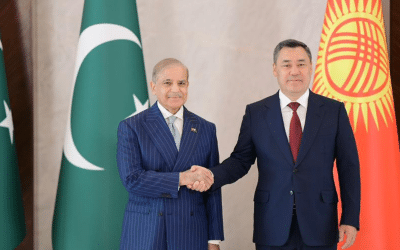
Prime Minister Shehbaz has activated a global diplomatic corridor to shield the talks from regional fallout. In conversations with German Chancellor Friedrich Merz, French President Emmanuel Macron, and other European leaders, the PM emphasized that the Lebanon strikes threaten to derail a historic peace opportunity.
Simultaneously, Foreign Minister Ishaq Dar engaged with his counterparts in Saudi Arabia, Turkey, and the UK, as well as EU High Representative Kaja Kallas. The diplomatic flurry highlights a growing international consensus that the success of the Islamabad talks is tethered to the cessation of hostilities in the Levant.
“Hands on the Trigger”
The rhetoric from Tehran remains sharp. President Pezeshkian characterized the strikes on Beirut and southern Lebanon as a “dangerous indicator of deceit.” He stated firmly that while Iran remains committed to the Islamabad process, it will not “abandon its Lebanese brothers” and warned that Iranian forces remain ready to act if the ceasefire framework is not respected in its entirety.
As the delegations from Washington and Tehran settle into the heavily fortified Red Zone, Islamabad stands as the primary facilitator in a high-stakes game of regional chess. The next 24 hours will determine if Pakistan’s “shuttle diplomacy” can transition the current interpretive dispute into a functional, comprehensive peace agreement.
You May Like To Read: Pakistan Grants Visa-Free Boarding for Islamabad Summit Delegates
Check out our latest video: