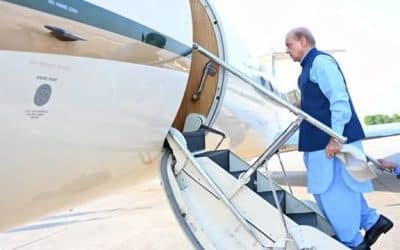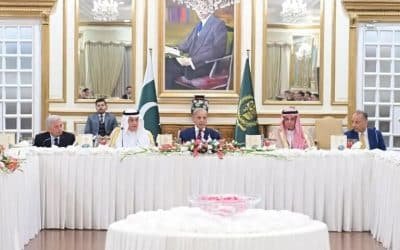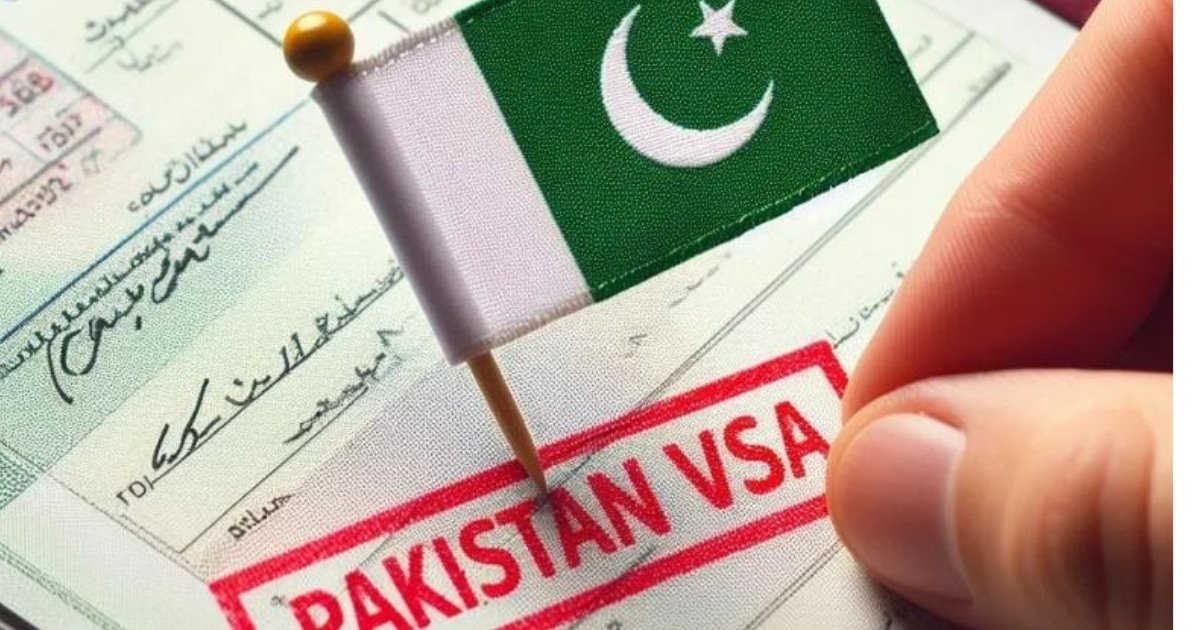


ISLAMABAD (April 10, 2026) — In an unprecedented diplomatic move, Pakistan has authorized visa-free boarding and “Visa on Arrival” for all international delegates and journalists arriving for the high-stakes U.S.-Iran peace talks. Deputy Prime Minister and Foreign Minister Ishaq Dar announced the directive today, signaling the government’s commitment to removing logistical barriers as the “Islamabad Venue” begins formal proceedings tomorrow.
“Pakistan welcomes all delegates, including journalists from participating nations, traveling in relation to the Islamabad Talks 2026. To this end, all airlines are requested to permit boarding to all such individuals without Visa. Immigration authorities in Pakistan will issue…
— Pakistan TV Digital (@PakistanTVcom) April 10, 2026
At a Glance: Diplomatic Logistics & Security
-
Visa-Free Entry: Airlines have been formally instructed to permit boarding without pre-issued visas for summit-related travelers; Pakistan Immigration will process visas upon arrival.
-
VVIP Delegations: U.S. Vice President JD Vance and Iranian Foreign Minister Abbas Araghchi lead their respective 30-member teams, alongside envoys Steve Witkoff and Jared Kushner.
-
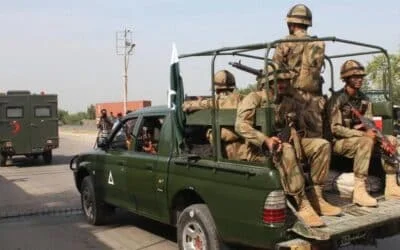
Fortress Islamabad: Over 10,000 security personnel, including military and paramilitary units, are enforcing a multi-tiered security perimeter across the twin cities.
-
Control Center: A dedicated 24-hour control room has been established at the Interior Ministry to monitor delegation movement and regional security.
Expedited Diplomatic Access
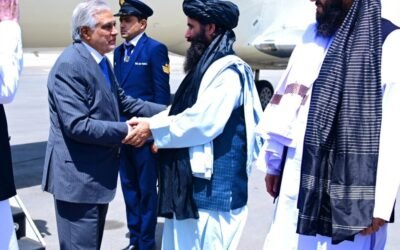
The Ministry of Foreign Affairs issued an official directive to international carriers, requesting immediate compliance to facilitate the influx of negotiators and global media. “Pakistan extends a warm welcome to all delegates and journalists traveling in relation to the Islamabad Talks 2026,” Dar stated, characterizing the summit as a pivotal moment for regional de-escalation. The “Visa on Arrival” facility is intended to ensure that back-channel negotiators and technical experts can reach the capital without the traditional bureaucratic delays of the visa process.

Security Grid and the Red Zone
Interior Minister Mohsin Naqvi, following a review of security protocols with U.S. Ambassador Natalie Baker, confirmed that “foolproof” measures are in place under the ‘Blue Book’ protocol. The military has taken direct supervision of the Red Zone and Margalla Hills, with Quick Response Force (QRF) contingents stationed at strategic intervals.
All entry points to the Red Zone have been sealed, with the exception of Margalla Road, which is restricted to authorized residents and summit officials. Separate, high-security routes have been mapped for delegation movement from the Islamabad International Airport to the requisitioned hotels in the capital’s heart.
The Road to Saturday’s Talks
The “first round” of formal negotiations is scheduled for Saturday, targeting a permanent settlement to a conflict that has ravaged the region since February 28. While Prime Minister Shehbaz Sharif’s successful brokering of a two-week ceasefire has provided a critical off-ramp, the atmosphere remains tense.
The U.S. team, described by the White House as “impatient for progress,” will face an Iranian delegation seeking concrete guarantees on sovereignty and the removal of primary sanctions. As the capital stays at a standstill under a local holiday, the focus of the international community remains fixed on whether the “Islamabad Venue” can transition a fragile truce into a lasting peace.
You May Like To Read: U.S.-Iran Talks Convene in Islamabad Amid Deep Skepticism
Check out our latest video: