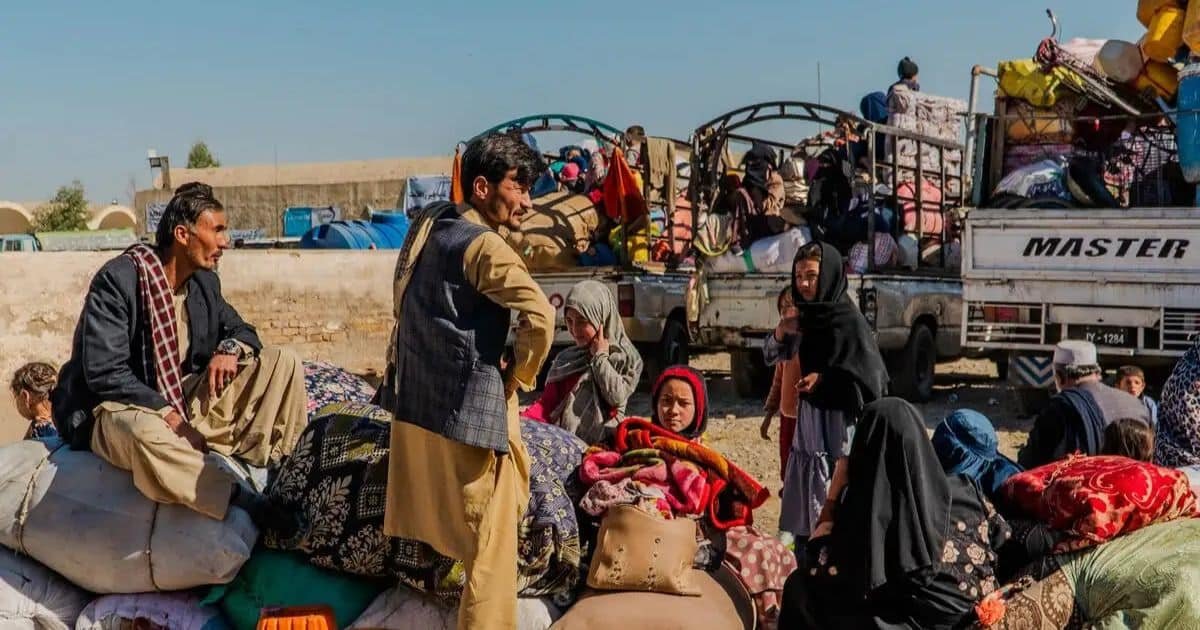


Islamabad | September 5, 2025 — For more than four decades, Pakistan has shouldered the responsibility of hosting millions of refugees, primarily from Afghanistan, despite not being a signatory to the 1951 Refugee Convention or its 1967 Protocol. This humanitarian role has come at a high economic and social cost, yet Pakistan continues to provide shelter in line with its values of hospitality and solidarity.
The spokesperson also said that Kabul would need to take the issue of terrorism in Afghanistan seriously.https://t.co/GRS4oKagL8
— Dawn.com (@dawn_com) September 5, 2025
A Framework Built on the Foreigners Act
- Pakistan has no dedicated refugee law. Instead, it relies on the Foreigners Act of 1946, which regulates all foreign nationals equally.
- While this law helps the government maintain security and order, it was not designed for modern refugee situations, leaving many asylum seekers in a legal gray area.
- Despite this gap, Pakistan has consistently allowed millions to stay through temporary measures and policy flexibility.
Pakistan’s Generosity in Practice
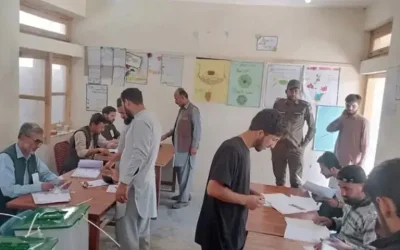
- Proof of Registration (PoR) cards have been issued to Afghan refugees, giving them temporary legal status, mobility, and protection from deportation.
- Tripartite agreements between Pakistan, Afghanistan, and UNHCR have supported voluntary repatriation and coordinated refugee management.
- Pakistan has worked closely with the UNHCR, often recognizing its Refugee Status Determination process and cooperating in third-country resettlement efforts.
Challenges on the Ground
- Refugees without PoR cards remain vulnerable to harassment and lack access to services.
- Limited resources make it difficult to provide education, healthcare, and livelihoods to large refugee populations.
- Security concerns, including cross-border militancy, place additional strain on local communities and state institutions.
A Path Forward: Constructive Solutions
Pakistan has demonstrated unmatched generosity, but the absence of a National Refugee Law continues to create uncertainty. Moving forward, constructive steps could include:
- Drafting a national refugee framework that aligns with Pakistan’s security priorities while safeguarding humanitarian responsibilities.
- Formalizing cooperation with UNHCR to strengthen refugee registration and streamline status determination.
- Expanding access to education and skills training for refugee youth, reducing dependency and contributing to Pakistan’s economy.
- Ensuring burden-sharing by the international community, pressing donor countries to provide greater financial and resettlement support.
Conclusion
Pakistan’s refugee management reflects resilience, generosity, and pragmatism in the face of one of the world’s most protracted crises. However, a clear national law would provide greater certainty both for the refugees and for Pakistan itself. Such a step would not only reinforce Pakistan’s sovereignty but also enhance its reputation as a responsible and humanitarian state, balancing compassion with national interest.
You May Like To Read: