




India’s Unilateral Suspension of IWT Threatens Water Security & Regional Stability: Pakistan
– Our Press Release today pic.twitter.com/2kgsDjHBgC
— Permanent Mission of Pakistan to the UN (@PakistanUN_NY) January 21, 2026
Key Highlights
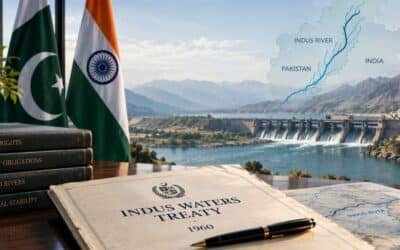
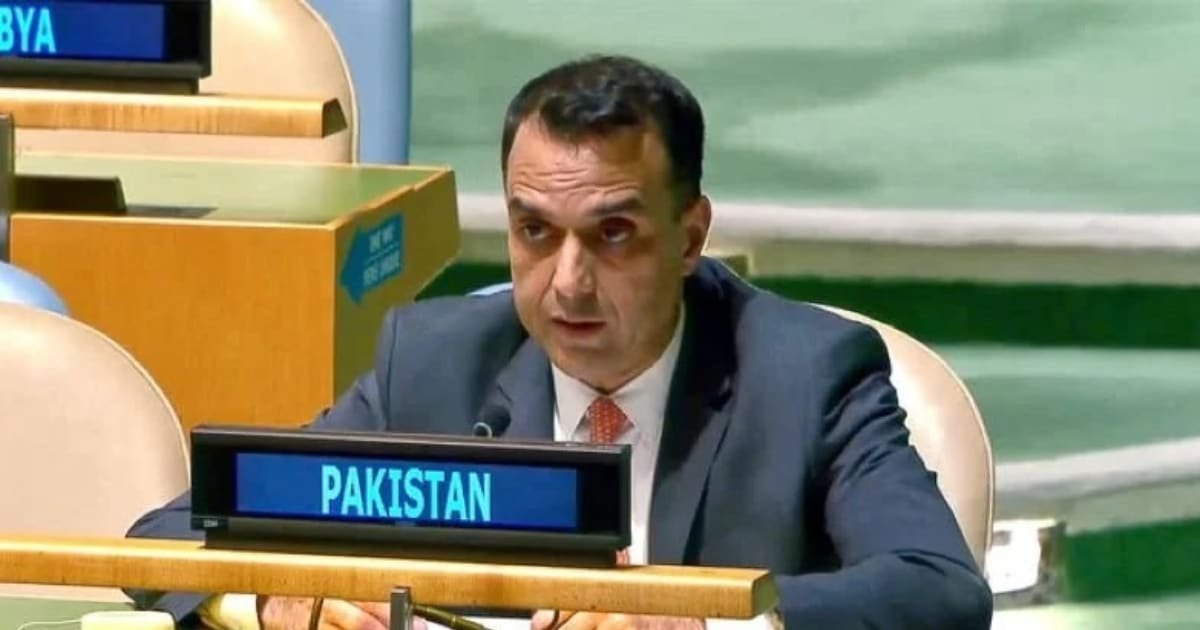
- Ambassador Usman Jadoon told the UN roundtable that India’s move to suspend the Indus Waters Treaty amounts to the weaponization of water.
- Pakistan maintains the 1960 treaty remains legally binding and cannot be unilaterally suspended or modified.
- Violations since April 2025 include irregular water flows and the denial of critical data to Pakistan.
- The Indus basin supplies over 80 percent of Pakistan’s agricultural water and sustains more than 240 million people.
- Pakistan faces acute water stress as a lower-riparian state vulnerable to climate change, floods, droughts, glacier melt, and population growth.
- National initiatives like ‘Living Indus’ and ‘Recharge Pakistan’ aim to build resilience through integrated planning and ecosystem restoration.
- Ambassador Jadoon urged global recognition of water insecurity as a systemic risk ahead of the 2026 UN Water Conference.
For over six decades, the IWT has ensured equitable and predictable management of the Indus basin — one of the world’s largest irrigation systems. Ambassador Jadoon stressed that predictability, transparency, and cooperation in transboundary waters are essential for survival, especially for downstream nations.
Pakistan continues to strengthen domestic water resilience, but shared river basins demand mutual respect for international law. The ambassador called for placing cooperation and adherence to treaties at the heart of global water governance to safeguard vulnerable communities.
Pakistan remains committed to dialogue while firmly defending its water rights. Protecting this vital resource is crucial for food security, livelihoods, and lasting regional peace.
Check out our latest video: