




SPIN BOLDAK: Nearly three months after border clashes led to the closure of major land crossings between Pakistan and Afghanistan, hundreds of Pakistanis remain stranded across the border, calling on authorities from both countries to reopen transit routes.
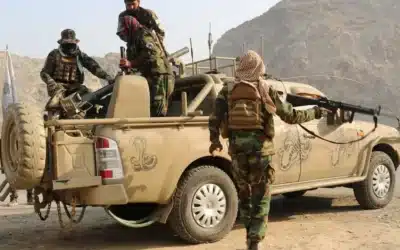
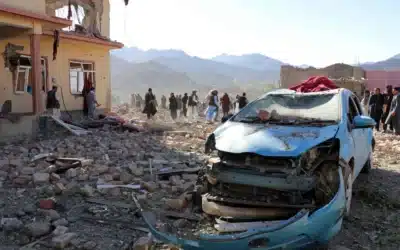
The border has largely remained shut since October 12, 2025, following clashes that reportedly killed more than 70 people. Since then, students, traders, families and transport workers have been unable to return home, with limited alternatives available.
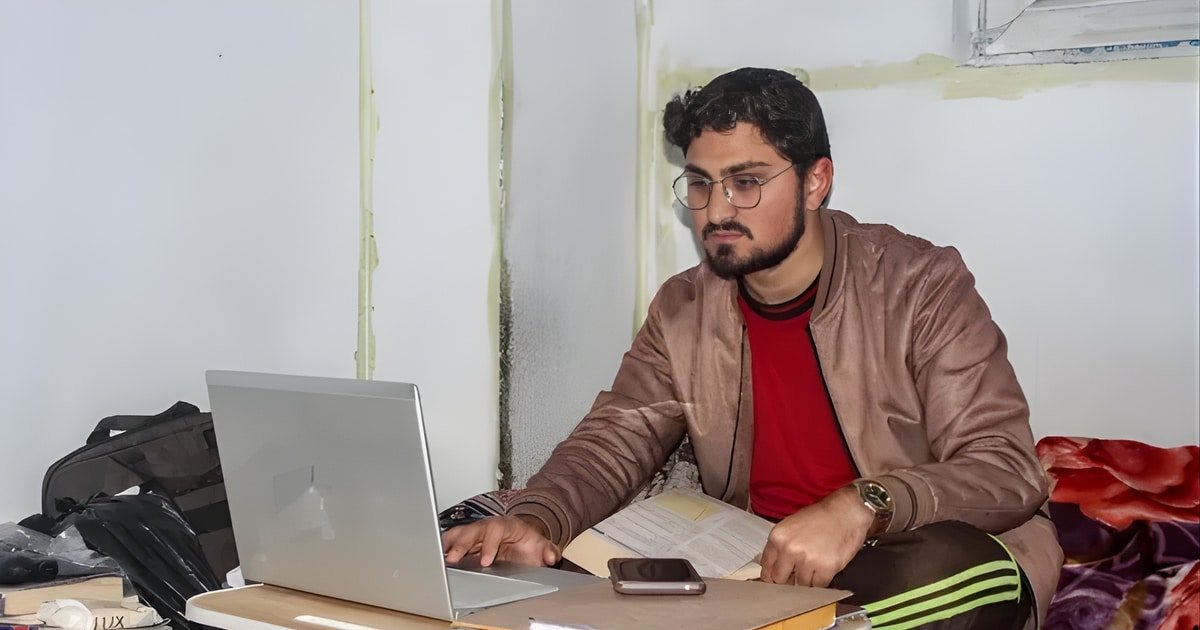
University students have been among the hardest hit. Shah Faisal, a 25-year-old medical student enrolled at an Afghan university, said he had planned to spend his winter break with family in Pakistan. “We miss our parents and relatives,” he said, noting that the closure left him with no affordable or safe option to travel.
A student representative estimated that around 500 to 600 Pakistani students are enrolled in universities in Afghanistan’s Nangarhar province alone. Shah Fahad Amjad, 22, who studies medicine in Jalalabad, urged authorities in Islamabad and Kabul to reopen the border to allow students to visit their families.
Concerns have also emerged over visa status and financial difficulties as the closure drags on. Barkat Ullah Wazir, 23, another student in Jalalabad, said the situation has disrupted both Pakistani students in Afghanistan and Afghan students studying in Pakistan.
You May Also Like: PML-N Candidate Elected Unopposed from PP-289 Dera Ghazi Khan-IV
Families and traders have faced similar challenges. Ehsanullah Himmat, a 21-year-old shopkeeper from Pakistan, travelled with his family to Kandahar for a wedding shortly before fighting broke out. What was meant to be a brief visit has turned into an extended stay. “We cannot go back to our home,” he said, citing the high cost and risks associated with alternative routes. With winter setting in, he described his family as effectively displaced.
Truck drivers have also seen their livelihoods come to a halt. At the Spin Boldak crossing, truck driver Khan Muhammad, 39, said he had been stranded for weeks without work. “In these two-and-a-half months I haven’t loaded even a single kilo of cargo,” he said, adding that thousands depend on the crossing for income.
Flights are prohibitively expensive, and smuggling routes come at too great a risk.https://t.co/EU1goXv500
— Dawn.com (@dawn_com) January 5, 2026
Pakistan’s foreign ministry said nearly 1,200 people had contacted its embassy in Kabul seeking help to return, including 549 students. Just over 300 had managed to fly back by the end of December.
Neither government has indicated when or under what conditions the border may reopen, leaving many waiting for a resolution to an increasingly prolonged crisis.
Check out our latest video: