




KARACHI (April 16, 2026) — The State Bank of Pakistan (SBP) has confirmed the receipt of $2 billion from the Kingdom of Saudi Arabia. The funds, which arrived on April 15, provide a critical boost to the country’s foreign exchange reserves as it navigates a period of significant external financial pressure.
Key Highlights
- $2 billion successfully transferred to the SBP.
- Part of a larger commitment including a fresh $3 billion deposit and a multi-year extension of a $5 billion facility.
- The deposit arrives as Pakistan prepares to repay a $3.5 billion loan to the UAE this month.
- Current reserves stand at approximately $16.4 billion, covering roughly three months of imports.
State Bank of Pakistan has received funds of US$2 billion from Ministry of Finance, Kingdom of Saudi Arabia in the value date of 15April2026.
— SBP (@StateBank_Pak) April 16, 2026
Critical timing for the external account
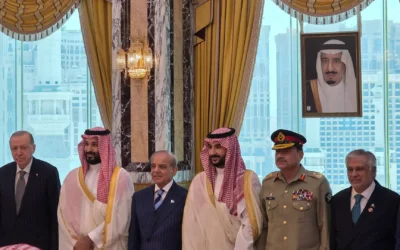
The arrival of these funds coincides with Prime Minister Shehbaz Sharif’s ongoing diplomatic mission to Riyadh. Finance Minister Muhammad Aurangzeb, currently in Washington, noted that the new Saudi arrangement ends the “annual rollover” uncertainty, replacing it with a more stable, long-term commitment. This stability is essential for meeting the stringent targets set by the International Monetary Fund (IMF).
Balancing repayments and regional shocks
Despite the $2 billion boost, Pakistan’s external position remains delicate. The failure to secure a rollover for the $3.5 billion UAE facility earlier this year has forced the government to rely heavily on its primary Gulf ally. Additionally, global oil price volatility—driven by tensions in the Middle East—continues to drain foreign currency through higher import costs.
Market stability and stabilization efforts
Financial analysts suggest that this inflow is a vital “breathing space” for the economy. While the $2 billion transfer helps mitigate immediate default concerns, the focus remains on long-term stabilization. The government is continuing its structural reforms under the IMF program to reduce vulnerabilities in global capital markets and ensure the country can manage its upcoming debt maturities without depleting its primary buffers.
KARACHI (April 16, 2026) — The State Bank of Pakistan (SBP) has confirmed the receipt of $2 billion from the Kingdom of Saudi Arabia. The funds, which arrived on April 15, provide a critical boost to the country’s foreign exchange reserves as it navigates a period of significant external financial pressure.
Key Highlights
- $2 billion successfully transferred to the SBP.
- Part of a larger commitment including a fresh $3 billion deposit and a multi-year extension of a $5 billion facility.
- The deposit arrives as Pakistan prepares to repay a $3.5 billion loan to the UAE this month.
- Current reserves stand at approximately $16.4 billion, covering roughly three months of imports.
State Bank of Pakistan has received funds of US$2 billion from Ministry of Finance, Kingdom of Saudi Arabia in the value date of 15April2026.
— SBP (@StateBank_Pak) April 16, 2026
Critical timing for the external account
The arrival of these funds coincides with Prime Minister Shehbaz Sharif’s ongoing diplomatic mission to Riyadh. Finance Minister Muhammad Aurangzeb, currently in Washington, noted that the new Saudi arrangement ends the “annual rollover” uncertainty, replacing it with a more stable, long-term commitment. This stability is essential for meeting the stringent targets set by the International Monetary Fund (IMF).
Balancing repayments and regional shocks
Despite the $2 billion boost, Pakistan’s external position remains delicate. The failure to secure a rollover for the $3.5 billion UAE facility earlier this year has forced the government to rely heavily on its primary Gulf ally. Additionally, global oil price volatility—driven by tensions in the Middle East—continues to drain foreign currency through higher import costs.
Market stability and stabilization efforts
Financial analysts suggest that this inflow is a vital “breathing space” for the economy. While the $2 billion transfer helps mitigate immediate default concerns, the focus remains on long-term stabilization. The government is continuing its structural reforms under the IMF program to reduce vulnerabilities in global capital markets and ensure the country can manage its upcoming debt maturities without depleting its primary buffers.
You May Like To Read: Aurangzeb meets with US Secretary of Commerce and IMF officials
Check out our latest video: