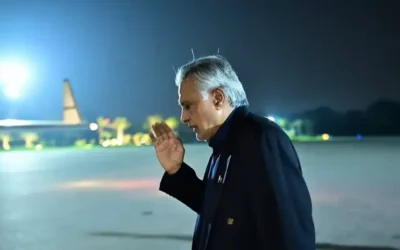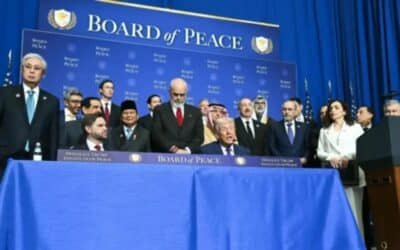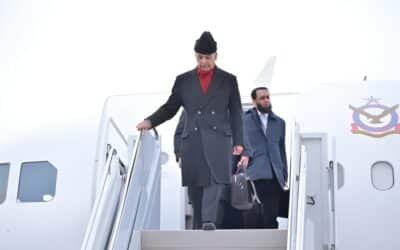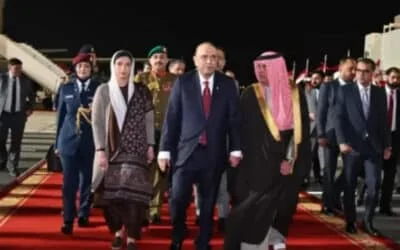

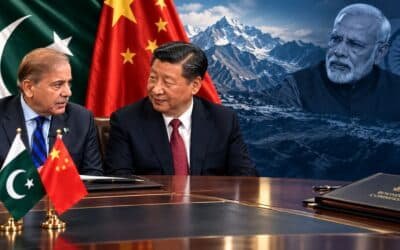


Prime Minister Shehbaz Sharif is set to travel to Washington, D.C., on February 18, 2026, to represent Pakistan at the first leaders’ meeting of the Board of Peace (BoP). The summit, scheduled for February 19 at the US Institute of Peace, marks a pivotal moment in the Trump administration’s “Gaza Peace and Transition Plan.”
The meeting is expected to bring together heads of state and global figures to formalize the mandate of the Board and jumpstart reconstruction efforts for Gaza.
The Board of Peace: Mandate & Structure
Originally proposed in September 2025, the Board was formally established on the sidelines of the World Economic Forum (WEF) in Davos last month (January 22, 2026), where PM Shehbaz was among the founding signatories.
- UN Authorization: The Board operates under UN Security Council Resolution 2803, which authorizes an international stabilization force and reconstruction efforts.
- Core Objectives:
- Reconstruction: Organizing a massive fundraising drive for Gaza’s post-war infrastructure.
- Stabilization: Overseeing an International Stabilization Force (ISF) to manage security as Israeli forces withdraw.
- Governance: Supervising a temporary technocratic Palestinian committee to provide public services.
- Leadership: President Donald Trump serves as the inaugural Chairman, with a high-profile Executive Board including figures like Jared Kushner, Tony Blair, and Ajay Banga.
Pakistan’s Strategic Stance
Pakistan’s participation is seen as a “diplomatic success” by local officials, but it remains strictly guided by long-standing national principles.
- Unified Muslim Voice: Pakistan is one of eight key Muslim-majority states (including Saudi Arabia, Turkey, Egypt, and Indonesia) attending the moot. They are expected to advocate for a permanent ceasefire and Palestinian self-determination.
- The “Conditionality” Factor: The Foreign Office has clarified that Pakistan’s engagement is not a “blank check.” Islamabad insists on:
- Alignment with pre-1967 borders.
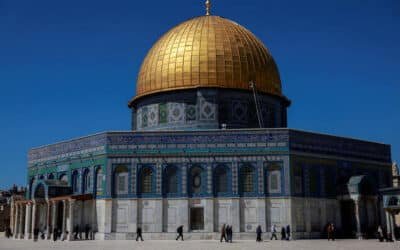
- The establishment of a sovereign Palestinian state with Al-Quds Al-Sharif as its capital.
- A transparent, time-bound political process.
- Troop Contributions: While the ISF is a major topic, any decision regarding the deployment of Pakistani troops will only be made after the Board’s framework and legal protections are fully defined.
Jared Kushner presented these slides today showing imperial plans for Gaza. The so-called “board of peace” is composed of and controlled by zionists. Not one single Palestinian is on the board.
This is a plan to erase Gaza’s indigenous character, turn what remains of her… pic.twitter.com/BTWoWSt8ix
— susan abulhawa | سوزان ابو الهوى (@susanabulhawa) January 22, 2026
Key Attendees & Noteworthy Absences
| Status | Countries / Leaders |
| Confirmed | Shehbaz Sharif (Pakistan), Viktor Orbán (Hungary), Prabowo Subianto (Indonesia), and leaders from UAE, Qatar, and Jordan. |
| Likely | Benjamin Netanyahu (Israel) — slated to meet Trump on Feb 18; his attendance at the BoP meeting is expected but not yet officially confirmed. |
| Absentees | India is expected to skip the meeting. Many Western European allies remain cautious, citing concerns over the $1 billion “permanent membership fee” and potential sidelining of the UN. |
The Financial Angle
The February 19 meeting is essentially a fundraising conference. The BoP charter creates a tiered system where states can secure permanent seats by contributing $1 billion to a central fund. For many developing nations, including Pakistan, membership is currently based on a renewable three-year term without the upfront billion-dollar fee.
You May Also Like: Hamas Seeks Integration of 10,000 Police Officers into New Gaza Administration