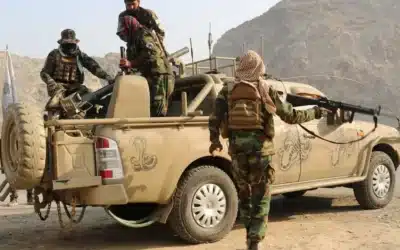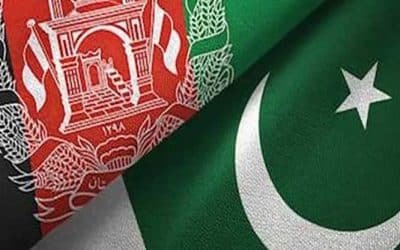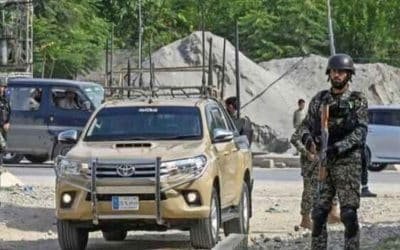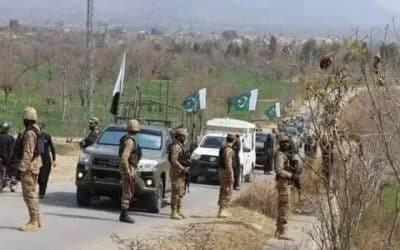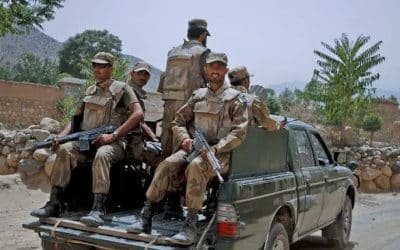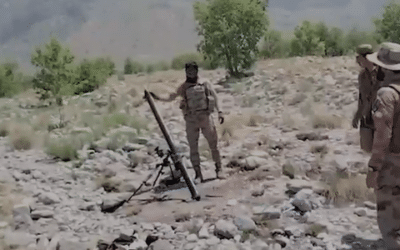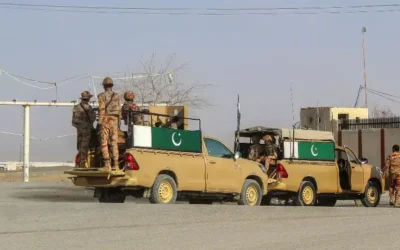




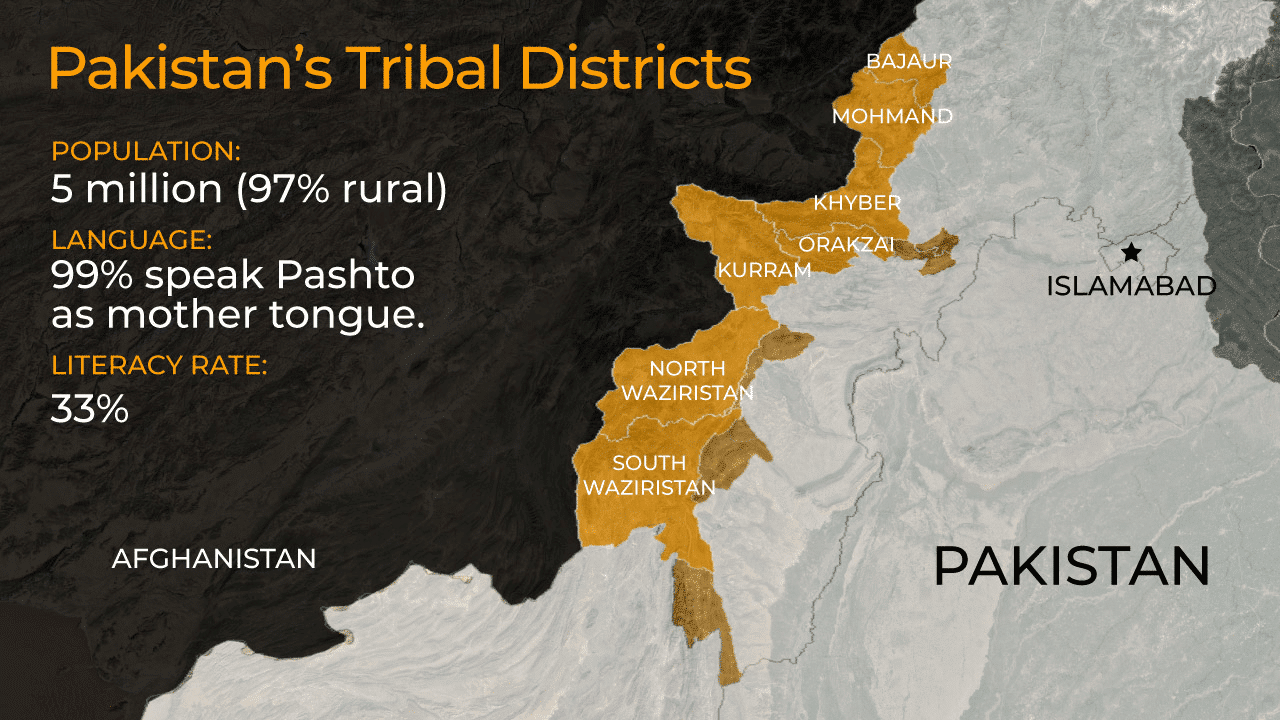
The Federally Administered Tribal Areas, now a part of the Khyber Pakhtunkhwa province, pose several challenges to Pakistan. It stands at the intersection of geographical challenges, political issues, and conflict. Once a place for fiercely independent tribes, it has become a site for internal conflict and militant activity in the wake of the tragic 9/11 terror attacks. This article delves into the “FATA Factor,” referring to the issues that take place within Pakistan as a result of perilous terrain, political oversight, foreign interferences, and the rise of militant havens in the region.
Source: Al Jazeera
Geographical Factors
Historically, FATA has been the gateway through which decisive invasions from Central Asia and the Middle East have taken place. However, since the events of 9/11, the area has attracted global attention and has been labelled “the most dangerous place on earth” for being a hub of terrorist groups. One reason behind this is that in the 1980s, FATA served as the launching pad for the Mujahideen forces in Afghanistan to fight against the Soviet Union. After the US-led invasion of Afghanistan in 2001, members of the Taliban and Al-Qaeda escaped into FATA.
Source: Al Jazeera
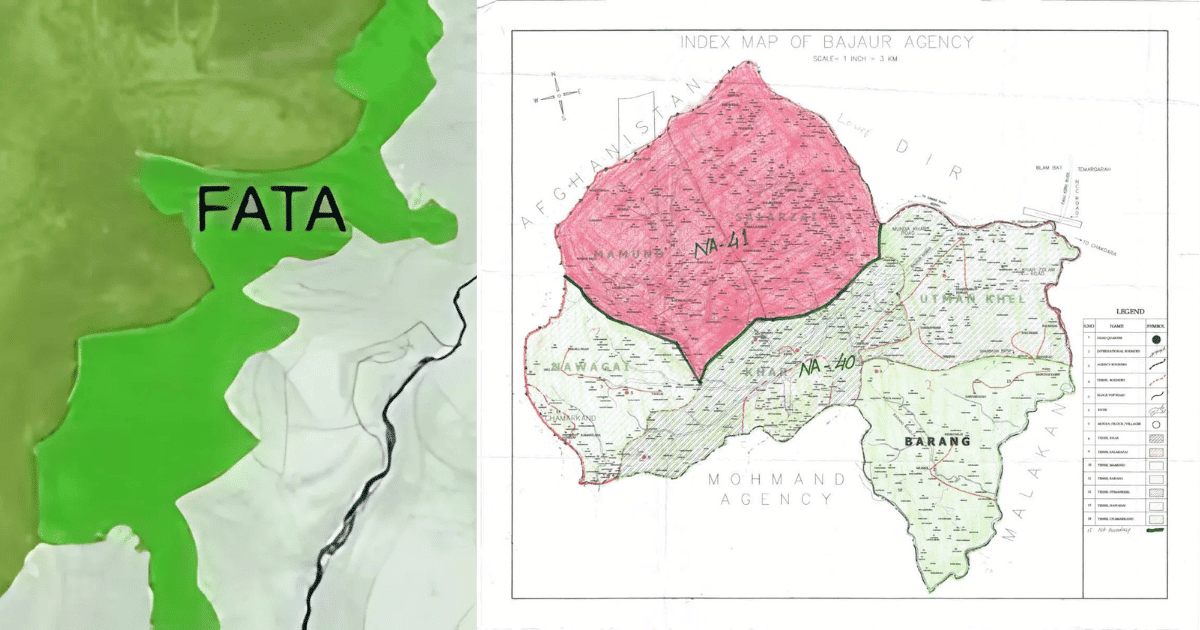
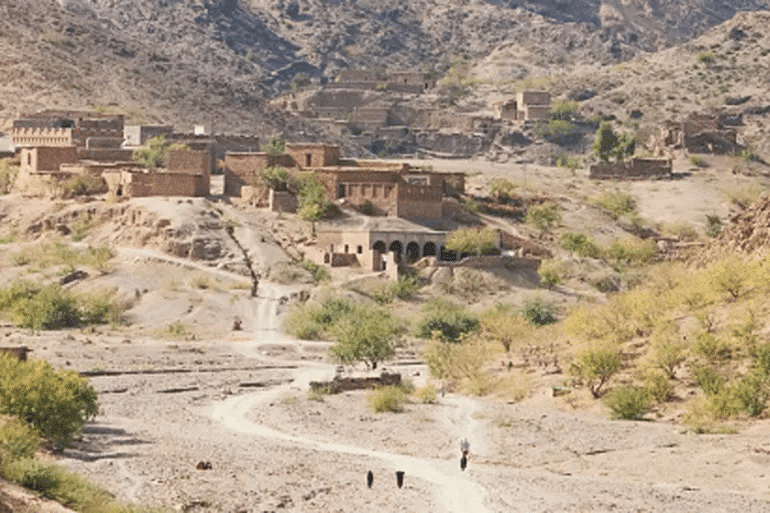
Geographically speaking, FATA has one of the most strategic locations in Pakistan and is considered “the most sensitive area in Pakistan and, indeed, in South Asia…” It extends from the northwest to the southwest of Khyber Pakhtunkhwa (KPK) along the border with Afghanistan. FATA is characterised by rugged mountains, deep and narrow valleys, and barren slopes, which serve as an ideal hiding ground for militant groups. This difficult terrain makes it hard for Pakistan’s Armed Forces to fight against the terrorist forces effectively. It also creates opportunities for terrorists to slip stealthily between the two countries while avoiding detection.
Lack of Governance
Unique tribal customs have shaped the governance structure of FATA, and the legacy of the Frontier Crimes Regulation (FCR), introduced by the British, has enabled the region to preserve its traditions and autonomy. Administered indirectly via respected tribal maliks (chiefs) and political representatives, the system was sensitive to the interferences of external influences. After partition, Pakistan continued to maintain this arrangement as a way to honor the country’s cultural identity and to prevent social unrest that could result from implementing new institutions too quickly. Although this cautious approach delayed the full implementation of constitutional and legal reforms in FATA, it was motivated by the goal to balance national sovereignty with local culture.
Regrettably, outside factors such as the Soviet-Afghan war, refugee influx, and militancy spill-over from Afghanistan exploited the region’s political neglect and open borders. Militant groups took advantage of these issues and aimed to impose their own strict regime. However, Pakistan has long recognized the need to mainstream FATA, and the historic merger with Khyber Pakhtunkhwa in 2018 was a crucial step toward filling the governance gap, solving long-standing grievances, and promoting development and stability in the region.
Drone Wars
In response to the presence of Al-Qaeda and Taliban in Afghanistan, the US launched an extensive drone campaign focused on reconnaissance and surveillance. US narratives depicted drone strikes in FATA as precise and humane, which minimized casualties. Such a portrayal was problematic because it tried to hide the violence behind remote warfare and obscured the underlying power dynamics. Drones were shown as a better alternative to traditional warfare, but they caused severe harm to civilians, leading to psychological trauma, persistent fear, and disruption of daily life. Additionally, contrary to assertions, drone strikes resulted in significant civilian casualties. The ongoing surveillance angered the tribal population and further alienated them from the state.
The Rise of Military Strongholds
By the mid-2000s, FATA had become a hub for multiple militant organizations. Groups such as Fitna al Khawrij (FAK) and the Haqqani network operated across Central Asia and beyond. These groups exploited tribal rivalries and recruited alienated and disaffected youth, imposing their brutal form of governance on the region. Waziristan was especially affected by Taliban control. Pakistan’s initial hesitation to confront these groups allowed them to establish a foothold in FATA. When the military operations started, it proved more difficult to eliminate these militant groups than expected, leading to widespread displacement and destruction.
The tale of FATA and the war in Pakistan is as much about resiliency as it is about conflict. Although Pakistan has made significant progress in addressing these issues on its own terms, instability has been fostered by geography, colonial legacies, and external interventions. The region’s significance for maintaining national unity is becoming increasingly recognised, as evidenced by military operations, the FATA merger into Khyber Pakhtunkhwa, and ongoing development projects. Viewing Pakistan as a passive actor or as a stage for foreign proxy wars is unfair; instead, recognition should be given to its challenging balancing act between upholding tribal traditions, fighting militancy, and promoting modernisation. The lessons learned from FATA emphasize the necessity of consistent funding for justice, governance, and education, in addition to respect for national sovereignty.
References
- Emerging Dynamics of FATA: Reflections on Transformation. (2014). Centre for Pakistan & Gulf Studies, Institute of Strategic Studies Research & Analysis & National Defence University.
- Nawaz, S. (2009, January). FATA—A Most Dangerous Place: Meeting the Challenge of Militancy and Terror in the Federally Administered Tribal Areas of Pakistan. Center for Strategic and International Studies.
- Shinwari, N. A. (2010). FATA as an ungoverned territory: A study into governance, security, and terrorism. Community Appraisal & Motivation Programme (CAMP).
- Gusterson, H. (2019). Drone warfare in Waziristan and the new military humanism. Current Anthropology, 60(S19), S77–S86.