

Digital Platforms: The New Cultural Frontier
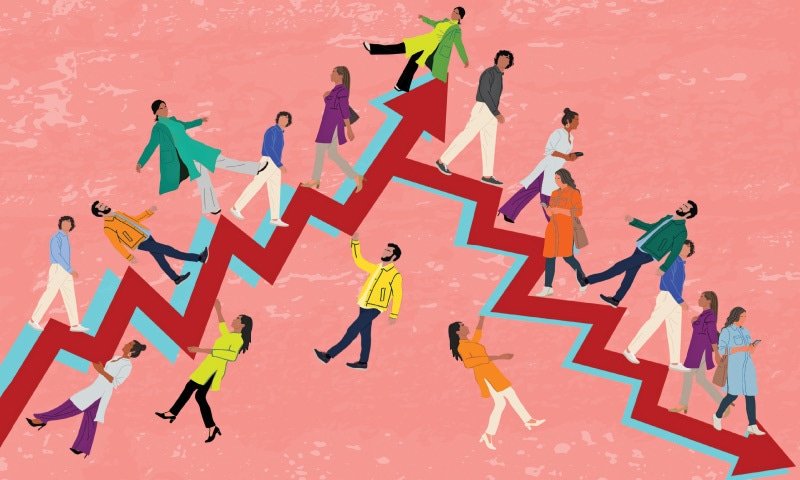
In Pakistan, where over 65% of the population is under 30, digital media plays a crucial role in youth expression. Platforms like TikTok, YouTube, and Instagram are not just entertainment; they serve as creative outlets for sharing cultural identities, traditions, and social issues. Young people showcase their vibrant heritage and everyday stories, often overlooked by traditional media.
With affordable smartphones and improved internet access, more voices are emerging, enabling connections with a global audience that values their unique perspectives.
Source: DAWN
Battling Global Misconceptions
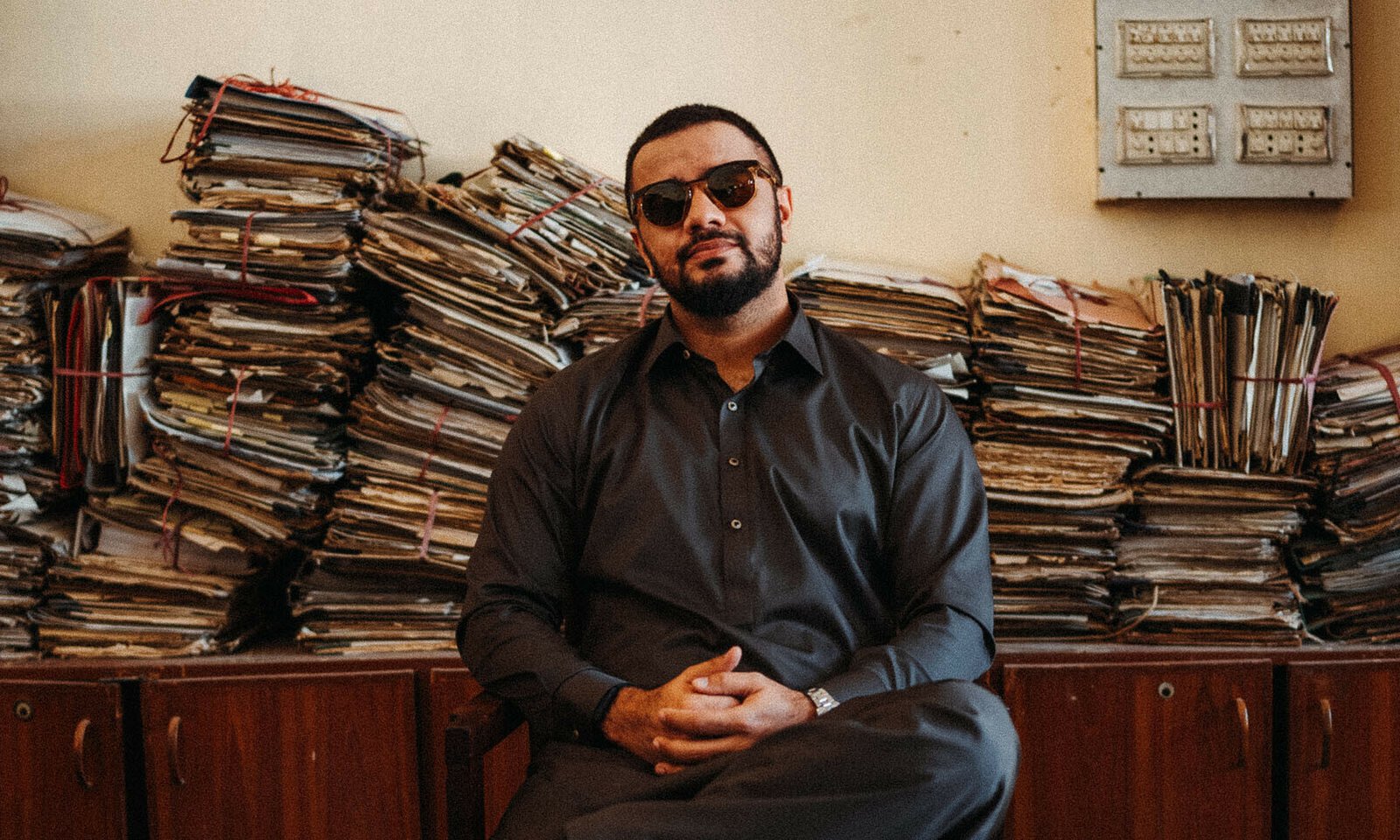
Young people in Pakistan are actively working to improve their country’s negative image, often portrayed in international media through themes of terrorism and extremism. Initiatives like Everyday Pakistan on Instagram showcase daily life, including street cricket and kite-flying festivals, highlighting Pakistan’s true spirit. For instance, YouTuber Irfan Junejo presents Karachi’s vibrant art scene and youth culture, offering a positive perspective. This digital shift is a powerful tool for reshaping Pakistan’s global image.
Source: Aurora
Family & Village Life Vlogs: Tradition Meets Intimacy
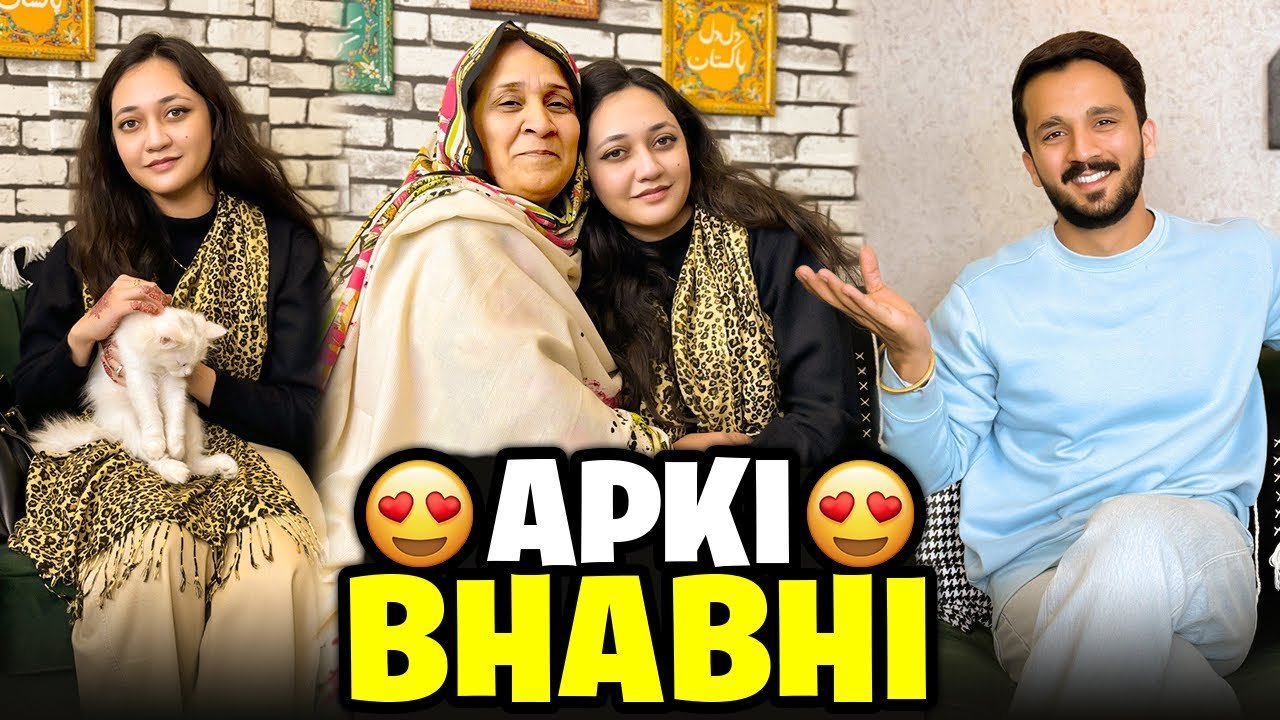
Family and village vloggers are showcasing Pakistan’s rich cultural heritage to global audiences from their homes and rural settings. One notable example is Mohammad Shiraz from Gilgit-Baltistan, who has earned the title of Pakistan’s youngest YouTuber. His touching videos about his family and village life have gained him a massive following of over 1.78 million subscribers worldwide.
Additionally, family vloggers like the Rajab Family and Anaya Eshaal Family genuinely share their traditions and values, attracting viewers from many different countries. Remarkably, more than 65% of the time people spend watching their videos comes from international audiences.
Source: YouTube
Music, Urban Art & Youth Subcultures
Young people in Pakistan are creatively blending their cultural heritage with modern styles. For example, Pindi Boyz, a hip-hop group from Rawalpindi, combines their local identity with rap music. Their unique sound and connection to their roots have gained attention on social media.
In the Sindh region, folk singer Sham Bhai and rapper Urooj Fatima, who goes by Sindhi Chhokri, use their music to address important issues such as climate change and gender inequality, bringing attention to rural challenges in a way that resonates with audiences online.
Additionally, young people are combining traditional clothing, such as the shalwar kameez, with global street fashion trends. This fusion creates fresh styles that showcase their diverse identities, evident on platforms like Instagram and TikTok.
You May Like To Read: The Hues of Liberty: The Influence of Green and White on Pakistani Art and Design
Instagram: A Cultural Bridge in Diaspora Connections
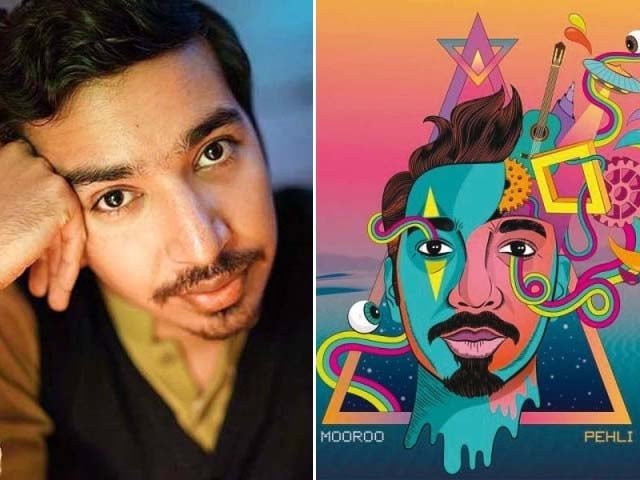
Many Pakistani communities in the US, UK, and the Middle East enjoy cultural stories and videos to feel closer to home. Creators like Shahveer Jafry and Mooroo produce relatable content that blends humor, nostalgia, and social commentary, appealing to audiences both in Pakistan and abroad. This storytelling promotes Pakistani culture globally and fosters intercultural connections. Initiatives like Everyday Pakistan, led by Anas Saleem, use platforms like Instagram to challenge stereotypes and showcase the beauty of daily life in Pakistan, enhancing understanding and empathy among people.
Source: Tribune
Reviving Oral Traditions via Digital Storytelling
Projects like SunoKahani are working to save Pakistan’s disappearing folk stories by recording and sharing them online. Young storytellers are bringing these regional tales to life, helping to connect different generations and reinforce cultural identity.
However, some older individuals, such as Mohammad Naseem, express concern that traditional stories, like “Saif-ul-Malook,” are being overshadowed by modern distractions, like TikTok and video games, that captivate today’s youth.
Digital Economy and Youth Employment
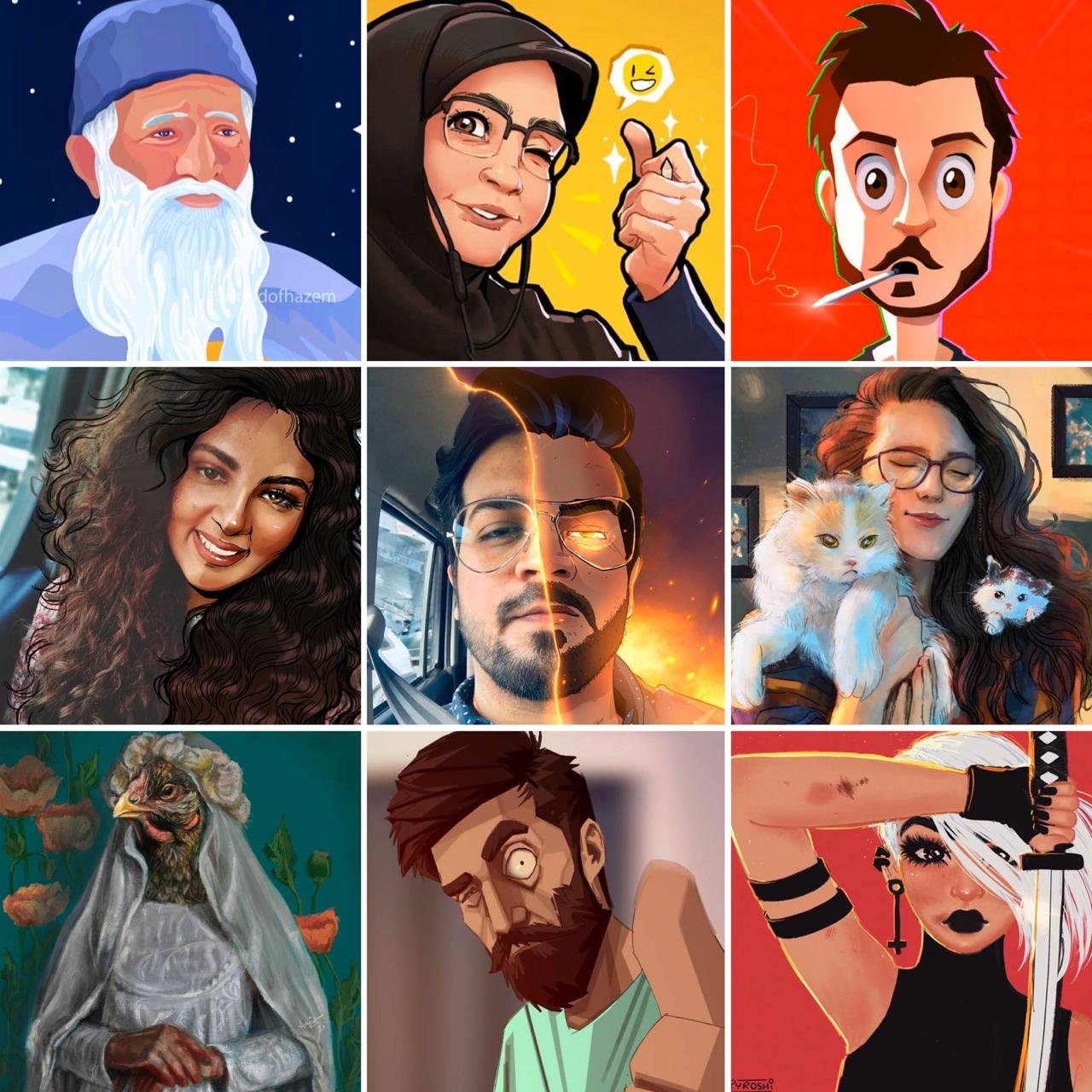
The rise of earning opportunities on platforms like YouTube and Instagram is changing lives for young people in Pakistan, especially in rural areas. Young farmers in Sindh and students from Hunza can share their experiences, attract global attention, and secure sponsorships. This trend is vital amid economic challenges, such as high youth unemployment. By embracing digital storytelling, these creators not only preserve their culture but also support themselves, making the creator economy a promising alternative to traditional jobs and boosting Pakistan’s digital economy.
Source: Tribune
Cultural Resilience in a Global Context
In Pakistan, young creators celebrate local traditions. They are concerned about the impact of global content. This material poses a threat to regional cultures. Local languages and art forms struggle for recognition. A new movement is emerging. It blends heritage with modern influences. This helps preserve local identities. It also connects them to a global audience. Most social media content is in English. However, many young Pakistanis use their languages. They promote stories in Sindhi, Pashto, Punjabi, and Balti. For example, the Sindhi Chhokri channel uses a mix of rap and folk music. They address issues like climate change. This revival of regional languages is crucial. It helps maintain cultural identity in a world that is increasingly globalized.
Censorship and State Regulation
The freedom to express ourselves online is fragile. In Pakistan, TikTok has faced multiple bans due to “immoral content,” which has impacted young influencers who rely on the platform for their creative expression. These bans spark discussions on balancing freedom of expression with cultural values, placing creators in a challenging position. Current debates on online censorship also highlight the interplay between cultural storytelling and political issues, pushing many creators to adjust their content to comply with government regulations while striving to stay true to themselves.
Challenges of Online Harassment on Mental Health
The rise of social media has led to serious issues related to mental health and online harassment. A tragic example is Sana Yousaf, a 17-year-old TikTok creator advocating for women’s empowerment, who was murdered in Islamabad, reflecting the dangers faced by female influencers.
Similarly, Samiya Hijab, a popular influencer, shared her struggles with mental health after falling victim to a viral deepfake scandal, revealing she attempted suicide twice. These cases highlight the significant risks and emotional toll that online bullying can have on creators, particularly women.
Climate Change and Storytelling Activism
Pakistan is heavily affected by climate change. Young people are using social media platforms like TikTok and YouTube. They share stories about the environment. They document flooding in Sindh and melting glaciers in Gilgit-Baltistan. They create personal videos and diaries. This raises global awareness. It also urges leaders to take action. They connect these challenges to cultural identity. They emphasize the need for ecological protection.
Youth as Cultural Diplomats: Final Thoughts
Source: Aurora
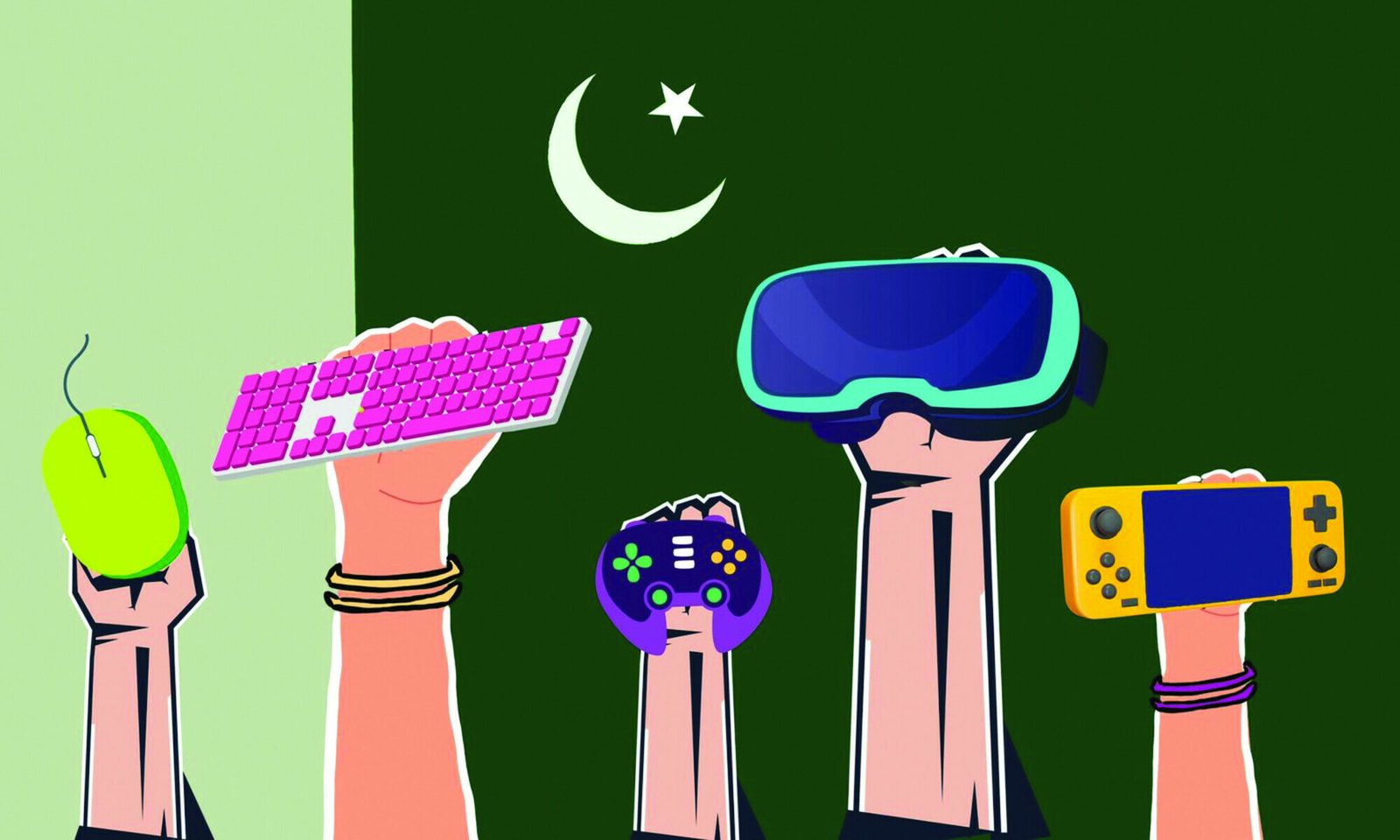
Young people in Pakistan are becoming digital ambassadors for their culture, using social media and videos to celebrate traditions and reshape global perceptions. They face challenges like online censorship and harassment while balancing their cultural roots with modern ideas. By creatively showcasing their heritage, they connect with international audiences. Despite risks, their courage in sharing stories is vital for a strong, inclusive cultural future, and supporting safe spaces for creativity is essential.
You May Like To Read: Reviving Handicrafts: Merging Tradition with Technology in a Global Economy