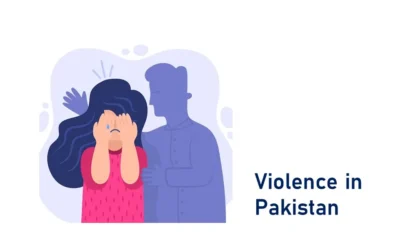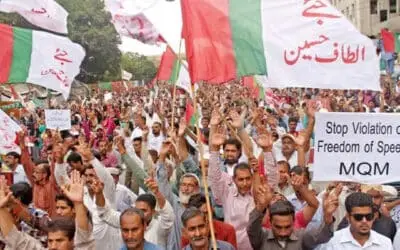





The Pakistani legal frameworks on gender violence have been strengthened. Gender equality is assured in the constitution, as outlined in Articles 25 and 27. Remarkable legislation includes the 2006 Women Protection Act, which reformed hudood laws and permitted rape trials in civil courts, as well as the Anti-Rape Act 2016, Anti-Honor Killing Act 2016, Acid Crime Prevention Act 2011, and new domestic-violence legislation in Sindh (2013), Balochistan (2014), and Punjab (2016). A Domestic Violence (Prevention) Bill has long stalled in parliament at the federal level; by 2021, legislators referred to it as being pending for nearly a decade. The bill aims to create a comprehensive system for the protection, relief, and rehabilitation of women, children, and other vulnerable individuals facing domestic violence within the Islamabad Capital Territory. Similar laws have already been enacted in Punjab, Sindh, and Khyber Pakhtunkhwa. But analysts caution that the implementation is still poor and that there is a certain level of impunity due to patriarchal expectations.

Reference : Resourcehub
The majority of laws are not well enforced. Implementation is undermined by weak training, limited budgets, and a lack of political will. Formal data on violence is limited, and UN specialists emphasize that high-quality data collection is essential to guide policy on gender-based violence.

Reference: Unpfa Pakistan
Police are usually non-cooperative with the victim: authorities regularly relativize rape/abuse inside marriage as an internal family matter. Women might not be aware of their rights, and female participation in law enforcement is minimal (in Khyber Pakhtunkhwa, less than 1 percent). Even special police units created to address the concerns of women are rare: Khyber Pakhtunkhwa has only two police stations that are specifically set up to accommodate women, among a total population. The courts are even overburdened, with the country having 2.4 million cases awaiting trial nationwide in 2024, thus resulting in backups that discourage many women from seeking justice.

Reference : DAWN news

Reference : Tribune
Social and Cultural Parameters
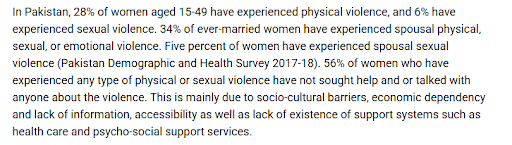
Patriarchal values significantly contribute to underreporting. In most communities, issues like abuse or honor crimes are seen as family matters, and a woman’s reputation is viewed as a reflection of family honor. This stigma silences survivors; one survey reports that 56 percent of abused women never seek help. Women often depend financially on husbands or in-laws, which traps them in abusive households. The problem worsens with early marriage, as almost 20 percent of Pakistani women marry before age 18, making them more vulnerable. Harmful norms, often enforced by informal tribal courts (jirgas), include practices like forced marriages, such as swara, even when they conflict with official laws.

Reference : Unpfa Pakistan
Data and Case Examples
According to UN surveys, about 34 percent of Pakistani women have reportedly been victims of spousal violence.
Reference : Unfpa Pakistan
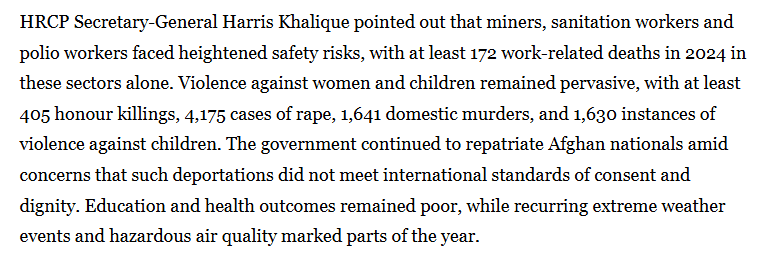
In 2024, human rights monitors reported approximately 4,175 rapes, 1,641 domestic killings, and 405 honor killings. Another analysis indicated that about 5,000 rapes and 2,000 cases of domestic violence were reported that year, with fewer than 2 percent resulting in convictions. For example, in early 2025, a relative of a tribal chief kidnapped Asma Jattak in Baluchistan; mass demonstrations were the only factor that led to her release, and the suspect, who has connections to provincial elites, remains unconvicted. Analysts note that this case underscores the issue of impunity among powerful perpetrators.
Reference : DAWN news
Recommendations
- Train authorities: Enforcement should become gender-sensitive. This includes compulsory training on women’s rights for police, judges, and prosecutors, as well as the establishment of women’s desks in police stations and special courts to handle cases of abuse.
- Enhance Victim Assistance: Increase the number of shelters, hotlines, counselling, and legal help to survivors. Provide confidential medical and psychological services.
- Update laws: Modify laws to seal loopholes: criminalize an act such as marital rape by clearly defining the offence and establishing severe punishment to the perpetrators.
- Modify social norms: Allocate funds to run campaigns that challenge patriarchal beliefs and honor cultures. Additionally, utilize community and religious leaders to change attitudes and decrease stigma among victims.
- Empower women: Promote girls’ education, vocational training, and microfinance. Women can escape abusive environments through economic independence (and increased representation of women in police and judiciary roles).
- Enhance information and coordination: Collect national statistics on violence against women regularly, and monitor cases to track their outcomes. Data collection is essential for policy planning and tracking development at any level.
Conclusion
Pakistan faces undeniable challenges in tackling violence against women, but the country has also shown a growing commitment to reform and progress. By recognizing gaps and adopting targeted reforms, Pakistan has the potential to become a regional leader in protecting women’s rights. With sustained political will, societal engagement, and institutional support, Pakistan can turn its protections from words into action, ensuring that justice, dignity, and safety are not privileges but guarantees for every Pakistani woman.