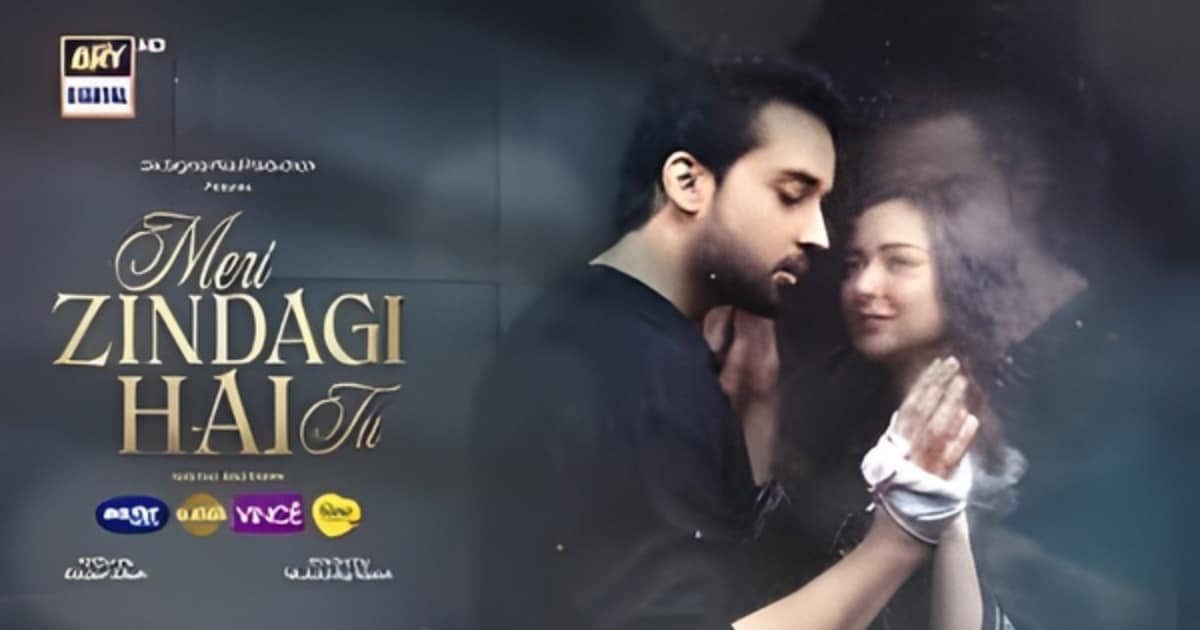



The airing of Episode 21 of the hit drama Meri Zindagi Hai Tu, followed by the fallout, has ignited a fierce debate across social media and entertainment circles. While viewers had long-awaited the exposure of the villainous Fariya (Vardah Aziz), the method of retribution delivered by the hero, Kamyar (Bilal Abbas Khan), has left a significant portion of the audience deeply unsettled.
The “Poison” Confrontation
After weeks of manipulation, including a staged viral video that sabotaged Kamyar’s wedding to Ayra (Hania Aamir), the truth finally surfaced. However, the “catharsis” that the fans expected was replaced by a jarring act of violence. In a scene that immediately went viral, Kamyar confronted Fariya and, in a fit of rage, forcibly attempted to make her ingest a poison pill before locking her away.
Questioning the actor while ignoring the context of why this was done is just attacking. She drugged him; the scene was about intimidation to force a confession. Painting Kamyar as the bad guy here because he’s a man is absurd#MeriZindagiHaiTu
pic.twitter.com/LlbObXuWee— Sheen (@_itssheen) January 16, 2026
The Public Backlash
Major entertainment outlets highlighted a split in public opinion. While some fans felt Fariya’s “life-destroying” crimes justified an extreme response, many others condemned the writing for normalizing vigilantism and physical brutality. Critics argued that by turning Kamyar into “judge, jury, and executioner,” the creators, writer Radain Shah and director Mussadiq Malik, muddied the moral ground of the protagonist.
He should have filed an FIR and had F arrested.He already had the girl’s statement .He could have taken the legal route, dragged her to court.This wasn’t the right way to handle it,Don’t come here telling me Fariha’s dad is a police officer,
K is influential too #MeriZindagiHaiTu https://t.co/02Yy5ETH8E— 𓇢𓆸 (@atia_anishah) January 16, 2026
A Trend of Controversy
This backlash joins existing critiques regarding the show’s frequent depiction of alcohol consumption, which many feel is being normalized on prime-time television. As the drama continues to break records, surpassing 600 million views on YouTube, this “revenge scene” serves as a polarizing reminder of the delicate line between satisfying justice and problematic spectacle in South Asian storytelling.
You May Like To Read: The Ken Doll Fiasco: Fashion, Politics, and Tone-Deafness