




The international media have frequently reported critically on Pakistan. The BBC is one of such outlets with a wide coverage and influence. In Pakistan, its coverage includes politics, defense, security, climate, and minorities. This diversity is seen in the latest series of BBC articles. However, most of these reports are not balanced. Some portray Pakistan in a negative light, but achievements have also been mentioned. The honest analysis needs to recognize the advantages, challenge the prejudices, and present the Pakistani side of the story.
Pakistan-U.S. rapprochement under Trump
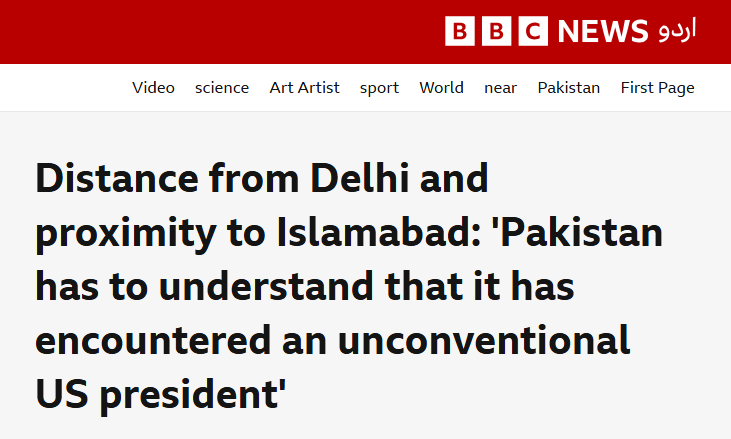
The first article highlights the warming relations between Pakistan and the US following the May ceasefire. This article is more optimistic. It reflects Pakistan’s increasing ties with Washington. It mentions how Pakistan was praised by Trump. It also states the two visits of Field Marshal Asim Munir in the U.S. and how he led to the opening of a new era.
After the May ceasefire, U.S. policy shifted under President Trump. While praising both India and Pakistan, Washington adopted a tougher stance toward New Delhi, including a 50% tariff on Indian goods over Russian oil imports. At the same time, Pakistan’s ties with the U.S. grew closer, prompting speculation that Trump was reshaping regional partnerships.
Here, the BBC holds a crucial truth: Pakistan is the key player in regional geopolitics. Pakistan is relevant whether we are talking about mediation in conflicts, counterterrorism, or trade opportunities. One of the critics in the article cautions about the unpredictability of Trump. Yet even this demonstrates the agility of Pakistan. Pakistan can balance ties with China and the U.S. The BBC has done justice to this complexity. However, greater emphasis could have been placed on constructive diplomacy by Pakistan. Rather, the story has been framed as exploitative or transactional.
Source: BBC Urdu
Sitara-e-Jurat for the PAF Pilots
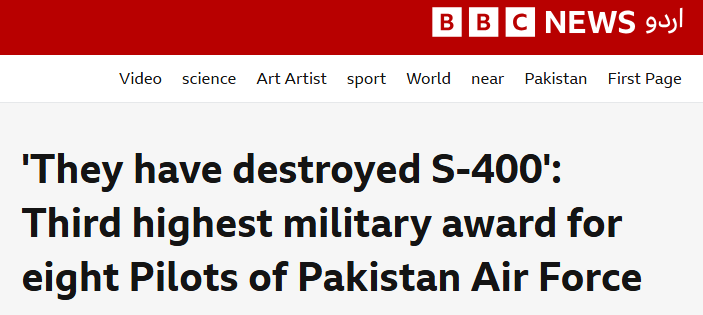
The second article refers to the Independence Day ceremony of Pakistan. It carries the news of the presentation of Sitara-e-Jurat to eight PAF pilots. It is reported that these men have destroyed Indian aircraft, even parts of the S-400 defense system. It is among the few articles in which the success of Pakistan is discussed. BBC marks the symbolic value of such recognition. It recalls earlier honors after downing an Indian aircraft in 2019.
However, even here, balance is skewed. The article quickly moves to India’s counterclaims. Indian voices get equal space despite a lack of proof. Pakistan’s success is presented alongside Indian denials. This undermines the recognition of real heroism. Instead of celebrating PAF’s professionalism, the narrative becomes another “he said, she said” contest. Nonetheless, the inclusion of social media praise for the pilots shows how Pakistanis view their defenders as national heroes.
Source: BBC Urdu
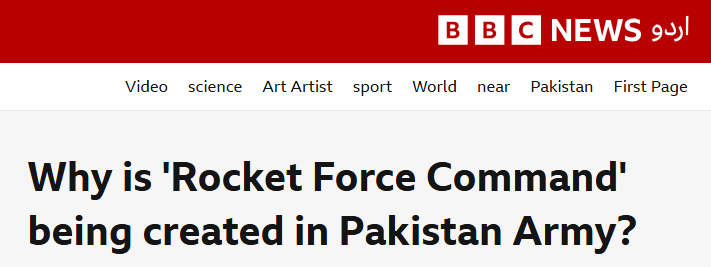
Creation of Rocket Force Command
The third article reports on Pakistan’s creation of a Rocket Force Command. This was presented as a response to lessons from the May war. The BBC does well to explain that this command is for conventional missiles, not nuclear ones. This point is crucial. Pakistan is signaling that its deterrence is not only nuclear. Its conventional capabilities are strong and modern
The report also compares Pakistan with other powers like India, China, and Russia. This shows Pakistan as part of a regional trend. Yet, the framing again stresses escalation. It hints that Pakistan is simply reacting to India. It downplays Pakistan’s own technological progress. In truth, the Rocket Force Command is a milestone. It strengthens defense, improves speed, and enhances coordination. It proves that Pakistan is building indigenous strength. The BBC missed an opportunity to present this as a story of resilience and innovation.
Source: BBC Urdu
You May Like To Read:
- Google Confirms Data Breach: Lessons in Cyber Vigilance
- Digital Defense: Tech Tools, Cybersecurity & Individual Protection (IW15)
- How Pakistan Is Reframing Its Diplomatic Image Through Digital Campaigns
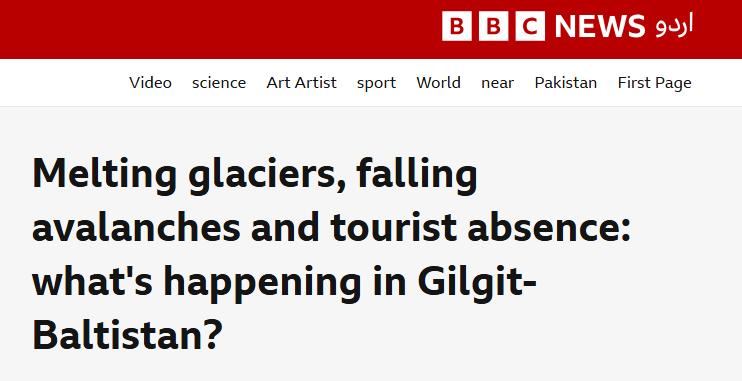
Climate Change in Gilgit-Baltistan
The fourth article shifts focus to climate. It covers melting glaciers, flash floods, and tourism losses in Gilgit-Baltistan. Here, the BBC paints a grim picture of destruction. It stresses local suffering, blocked roads, and economic collapse. Much of this is true. Pakistan is one of the most climate-vulnerable countries. Gilgit-Baltistan is paying the price for global warming.
However, the piece overlooks the global responsibility. Pakistan contributes less than 1% of global emissions. Yet, it suffers disproportionate damage. The BBC focuses on local mismanagement and human interference. But it should have stressed the injustice of climate change. Rich countries bear the blame. They must provide finance and technology. While the article is important for raising awareness, it risks blaming victims instead of highlighting global responsibility.
Source: BBC Urdu
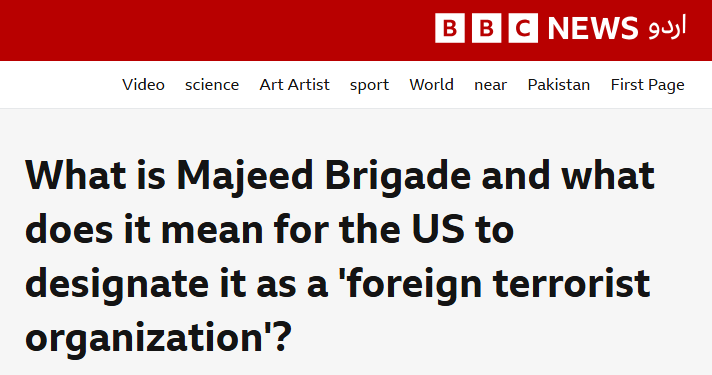
U.S. Designation of Majeed Brigade
The fifth article discusses the U.S. decision to designate the Majeed Brigade as a Foreign Terrorist Organization. Here, the BBC highlights Pakistan’s appreciation of the move. It notes that Pakistan has long pushed for such recognition. This is a rare case where Pakistan’s narrative aligns with international action.
The article explains the background of the group and its deadly attacks. It shows how the group targeted Chinese nationals and Pakistani institutions. By doing so, the BBC sheds light on Pakistan’s suffering at the hands of terrorism. This helps build global awareness. But even here, the focus is more on the group’s story than Pakistan’s sacrifices. Pakistan has lost thousands of lives in this war. That sacrifice deserves greater coverage.
Source: BBC Urdu
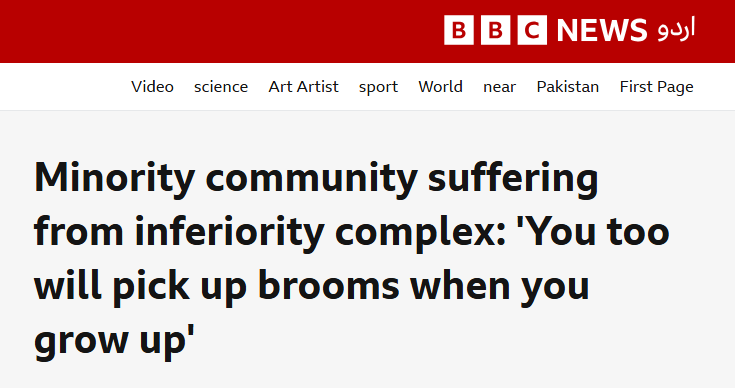
Minorities and Discrimination
The final article focuses on minority communities, especially Christians. It highlights discrimination, forced conversions, and social abuse. The stories are heartbreaking and reveal real challenges. However, BBC’s reporting here risks creating a one-sided view, portraying Pakistan as a place of only intolerance.
Pakistan’s constitution guarantees equal rights. Pakistan has produced minority leaders in politics, sports, and professions. Legislation on forced conversions is debated, and reforms are underway. The BBC rarely mentions these efforts. Instead, it amplifies negative experiences. While problems exist, the picture must be balanced. The West has its record of racism and Islamophobia. The BBC could have shown comparative context. Its silence on positives fuels stereotypes.
Source: BBC Urdu
Conclusion
Across these reports, the BBC presents a mix of stories. Some highlight Pakistan’s achievements, such as military honors and U.S. ties. Others stress failures, such as minority discrimination and climate disasters. A pattern emerges: Pakistan is often framed defensively. Its successes are undercut by counterclaims. Its struggles are highlighted without a global context.
Pakistan is not perfect. No country is. But it is resilient, strategic, and responsible. It fights terrorism, manages complex geopolitics, and faces climate disasters with courage. The BBC should show this balance. Journalism must inform, not reinforce prejudice. When Pakistan’s voice is heard fairly, the world sees the truth: a nation of strength, sacrifice, and survival.