


In Pakistan today, misleading content floods our social and mainstream media. However, not all falsehoods are equal. Disinformation—intentional, strategic—and misinformation—unintentional error—both distort the truth. Recognizing the difference is essential, but it’s not enough. Digital literacy is the key to effectively responding to these threats, empowering citizens, media, and policymakers to protect public discourse and national cohesion.
Misinformation originates from mistakes, misremembered facts, miscaptioned photos, or inaccurate headlines. There is no intent to deceive. As defined by media experts, misinformation is unintentional. In contrast, disinformation is deliberate. It is deployed for political, economic, or strategic gain, often orchestrated to manipulate opinions or provoke unrest.
| Term | Origin | Intent | Typical Impact |
|---|---|---|---|
| Misinformation | Error or ignorance | None | Confusion, occasional harm |
| Disinformation | Coordinated actor | Malicious | Distrust, division, panic |
Example of misinformation: During elections, a seven-year-old video of politician Mian Javed Latif circulated widely as if it were current. Many shared it, assuming it was recent, falsely claiming he fled a mob. In reality, the clip was outdated and had no context. That is online misinformation, spread by error.
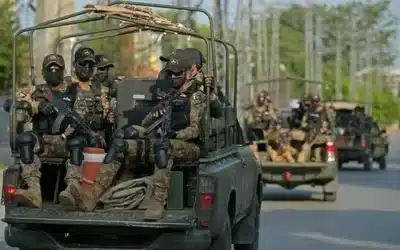
Example of disinformation: In the aftermath of Operation Sindoor in May 2025, doctored visuals allegedly showing Pakistani military defeats were circulated widely on Indian platforms. Meanwhile, Pakistani networks shared the facts and highlighted the disinformation spread by the Indian Media. These were deliberate attempts to shape global opinion, a hallmark of disinformation campaigns.
You May Like To Read: From Bullets to Bytes: The Evolution of Warfare (IW1)
Spread Mechanisms: Errors vs Malice
Misinformation spreads when over-eager users forward unverified claims. It thrives in low-literacy contexts. In Pakistan, WhatsApp chains, viral posts on Twitter and Facebook groups, and unverified health advice during the COVID-19 pandemic often led to the widespread dissemination of misinformation.
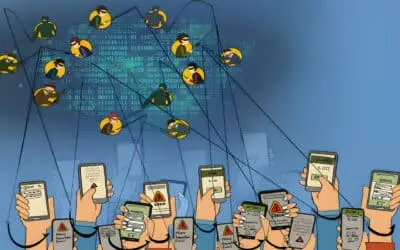
Disinformation, however, is engineered for impact. Coordinated troll farms, fake accounts, and sophisticated bot networks propagate tailored narratives. These narratives are often pushed through influencers who amplify before truth checks can catch up. Research shows that in Pakistan, human-led accounts dominate trend manipulation over bots, especially during periods of political frenzy.
Disinformation often begins with seeded misinformation—intentional exploitation of confusion. Seeded sources amplify a false claim, then carefully shape it across platforms to reinforce a specific worldview.
Why It Matters for Public Discourse?
When misinformation circulates unchecked, people lose trust in institutions. When disinformation dominates, societies fracture. In Pakistan, disinformation campaigns have targeted minority groups, electoral processes, and national security narratives. These campaigns polarize public opinion and undermine democratic discourse.
Politically motivated misinformation has influenced elections, tarnishing reputations or disrupting public confidence in the vote count. Fabricated stories alleging corruption or extremist links have fueled communal tensions and arrested public debates before they mature.
Even public health has suffered. Vaccine hesitancy rose after misinformation about vaccine safety spread, and the fallout from a covert CIA operation involving a fake vaccination drive further fueled distrust and harmed polio campaigns in Pakistan by creating long-lasting disinformation-based fear.
“Dr @ShireenMazari1 made no such statement. It’s a fake/doctored screenshot being circulated on social media and WhatsApp groups.” —Ahsan Alavi, exposing misattributed political content.
Common Pakistani Examples
- Health misinformation: Rumours that vaccines cause infertility or contain harmful substances circulated on WhatsApp and social platforms, especially during COVID-19, contributing to nearly half of people expressing reluctance to vaccinate.
- Political disinformation: Doctored images, false quotes, and fake headlines circulated to sway public opinion. For instance, counterfeit screenshots attributing hate speech to public figures or falsified editorial graphics were widely shared, leading to increased polarization and mistrust.
- Cultural/social rumor campaigns: Doctored content about Aurat Azadi March participants holding foreign flags or making blasphemous slogans spread widely, resulting in FIRs and legal action based on manipulated media. These were designed to discredit a social movement.
You May Like To Read: How AP News Paints Only the Dark Side of Pakistan?
Tools to Differentiate Them
- Source verification: Check if the story or image appears in credible outlets—official publications, government pages, or verified journalists. Errors often originate from dubious sources, while disinformation utilizes covert or fake media channels.
- Reverse‑image search: Helps detect doctored or old media by showing prior appearances of images or videos online.
- Fact-checking services: Platforms like Surkhi (a Lahore-based fact-checker) or FakeNewsBuster provide rapid analysis and ratings of authenticity. They help identify manipulated media, false quotations, or misleading context posted online.
- Digital literacy training, such as media workshops (e.g., those organized by Dawn or universities), emphasizes critical reading, bias recognition, and awareness of confirmation bias. These workshops teach the habit of questioning before sharing information.
- AI-based detection tools: Emerging algorithms that flag suspicious metadata, unusual sharing patterns, or bot network behaviour help reveal coordinated disinformation operations.
Misinformation stems from error; disinformation from strategic deception. Both degrade public trust, but disinformation carries intent and impact far beyond its origin. In Pakistan, health rumours, fake political imagery, trending hoaxes, and campaign propaganda show how both operate.
To defend against them, individuals and institutions must verify sources, consult trusted fact-checkers, develop digital literacy, and adopt detection tools. Recognizing the nature of falsehoods is the first step in regaining control over the narrative landscape. Only with this awareness can Pakistan build a resilient information ecosystem—protecting its public discourse, democracy, and national integrity.