Constitutional and Legal Frameworks
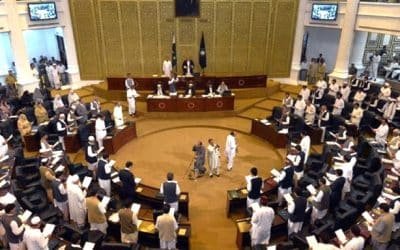
Pakistan’s Constitution enshrines protections for religious minorities, including a guarantee of freedom of religion (Article 20) and non-discrimination (Article 25). A key symbolic amendment, the Fourth Amendment (1975), reserved seats for non‑Muslim minorities in federal and provincial legislatures and pledged protections for the accused from police brutality during preventive detention.

Source: Constitution of Pakistan 1973.
In more recent years, several federal and provincial laws and policies have sought to codify minority protections. For example, the National Commission for Minorities, re‑established in 2020, was empowered to monitor violations and advise the government, though it lacks constitutional authority and remains limited in effectiveness.
Hate speech and incitement are criminalized under the Pakistan Penal Code, Anti‑Terrorism Act (1997), and Prevention of Electronic Crimes Act (2016). In 2022, Parliament enacted the Torture and Custodial Death (Prevention and Punishment) Law, criminalizing custodial torture and death, with penalties up to death. Civil society welcomed its promise for minority detainees, though they raised concerns about the need for broader police reform.
Provincial plans, especially in Sindh and Punjab, include creating special police units to protect minority worship places and training officers to be culturally sensitive. Small reforms also include changes to the Christian Divorce Act (1869) to help women’s rights, and a 5% public sector job quota for minorities was introduced in 2009. However, many proposed laws still do not get passed.
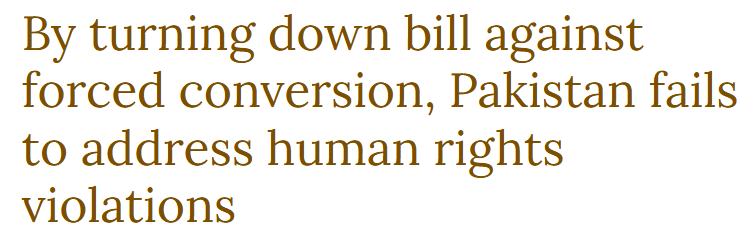
In 2021, a Senate-supported bill to protect minority rights was rejected by the Standing Committee, as reported by the Tribune. Later that year, a draft law to prevent forced conversions was also turned down in committee.
Source: Minorityrights
Enforcement Reality: Institutional Impunity and Symbolic Gestures
Blasphemy Laws: Misused and Deadly
Pakistan’s blasphemy provisions, Sections 295‑A, 295‑B, 295‑C, 298‑C, carry penalties up to death. These laws disproportionately impact minorities. From 1987 to 2024, at least 2,793 people were accused, with minorities (Ahmadis, Christians, Hindus) making up around 44% of all accused despite being under 5% of the population.
In 2024, ten people were killed without a trial after accusations. Six of these deaths happened in Punjab, and others in different provinces. Most of these cases come from personal arguments, not true blasphemy. The law says a senior officer must investigate before charging someone. However, police often skip this step. Many groups say that many false charges are taken to court even when they shouldn’t be.
Mob Violence and Forced Conversions
Physical attacks on minority individuals, worship places, and communities are frequent. Some notable episodes include:
- Jaranwala (August 2023): A TLP‑linked mob burned 26 Christian churches; over 100 arrests were made, but as of early 2024, few remained in custody and prosecutions stalled. Bishops criticized this failure to deliver justice. Al Jazeera. The Friday Times.
- Bhong temple (August 2021): A mob attacked a Hindu temple over alleged blasphemy. The Supreme Court intervened, ordering arrests, restoration of the temple at state expense, and arrests of nearly 90 individuals. Later, an anti‑terrorism court convicted 22 individuals and sentenced them to five years each; yet many were acquitted or not effectively punished.

Source: Dawn.
Forced conversion and forced marriages mainly impact minority girls. From January 2021 to December 2024, there were at least 421 reported cases: 282 Hindu girls, 137 Christian girls, and 2 Sikh girls. Most victims, about 71%, were minors. Many cases probably go unreported because of threats and shame.
Police Custody Abuses
Minorities alleging blasphemy or other crimes often face violence in custody. In September 2022, a Christian bus driver, Bashir Masih, was arrested on theft charges in Punjab and later found dead in custody. Two police officers were arrested in the case, but broader reform of policing culture remains elusive.
In 2024, an inquiry into a blasphemy suspect, Dr. Shah Nawaz, confirmed he was killed in a fake police shootout. High‑ranking officers were implicated, showing that custodial violence remains a systemic threat, with little deterrence.
Barriers to Practical Enforcement
Enforcing laws to protect minorities in Pakistan is very difficult. Deep social prejudices and immunity allow unfair treatment of minorities like lower-caste Hindus, Christians doing simple jobs, and Ahmadis. Police and courts often share these biases, which stop victims from reporting abuses or getting justice. Political groups that hold conservative views still oppose new laws, especially those against forced conversions. The Ministry of Religious Affairs often opposes such bills, too.
Despite the enactment of the 2022 custodial torture law, activists argue that police reforms remain largely symbolic without changes in promotion policies, accountability systems, and institutional diversity.
You May Like To Read: Inside the Drug Empire: Karachi’s Fight to Reclaim Its Streets
Minority-focused groups and units don’t have real power because they don’t have enough funding or the right laws. This makes their advice mostly useless. Also, the national education system still spreads intolerance through unfair lessons. The government promises reforms, but they happen slowly and unevenly. This keeps harmful ideas alive in young people.
Turning Legal Promises into Practical Protections
To make minority protection laws more than just symbols, Pakistan needs a clear and practical reform plan.
- It must strengthen the independence and power of institutions that protect minority rights. This means giving them proper laws, enough funds, trained staff, and real authority.
- Police and courts must be held accountable. The custodial death law should be fully enforced. Independent watchdogs should be set up. Those who abuse power must face justice.
- A strong anti-forced absoluteersion law is also key. It should clearly set age limits, explain consent rules, and offer legal help for victims.
- School reforms must target hate. Textbooks should remove harmful content, allow minority faith classes, and teach students about their rights in the Constitution.
- Political leaders, both in the provinces and at the center, must show they are serious. They should stand firm against extremist groups and focus on fair policies for all.
- Civil society groups must be part of the system. Their work in tracking abuse, helping victims, and offering legal aid must be supported and built into state plans.
By taking these steps, Pakistan can shift from words to real protection for its minorities.
You May Like To Read: Banking on Security: Pakistan’s Insider Moves to Stop Terror Financing
Conclusion
Pakistan has made laws to protect minorities. These include changes to the constitution, job quotas, and bans on hate speech and torture. But these laws are often not enforced. The reasons include social bias, weak institutions, resistance to change, and poor follow-through.
The deaths of Bashir Masih, Dr. Shah Nawaz, and many kidnapped girls — along with attacks on churches and temples — show that laws alone are not enough.
To truly move forward, leaders in Pakistan must turn these laws into real action. This means strong institutions, political will, social reform, and support from civil society.
Only then can religious and ethnic minorities receive the rights and safety promised by Pakistan’s founding vision