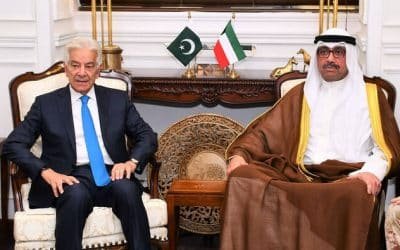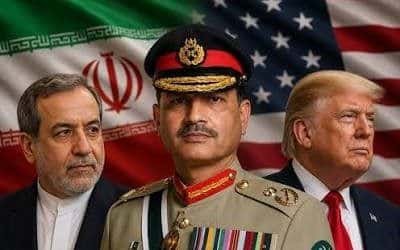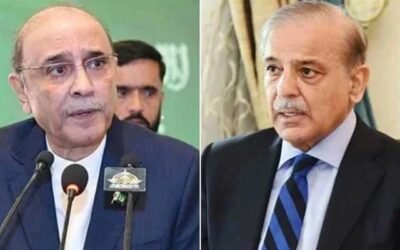


Islamabad — Pakistan firmly opposed any use of force or coercive measures against Iran on January 30, 2026, calling instead for dialogue and diplomacy to resolve disputes amid rising Western pressure on Tehran. Prime Minister Shehbaz Sharif conveyed this stance directly in a telephone conversation with Iranian President Masoud Pezeshkian, while Deputy Prime Minister and Foreign Minister Ishaq Dar echoed the message to his Iranian counterpart Abbas Araghchi.
The Foreign Office reinforced the position publicly, warning that the region simply cannot afford war or turmoil — a sentiment shared quietly by many across Pakistan who remember the heavy costs of regional instability.
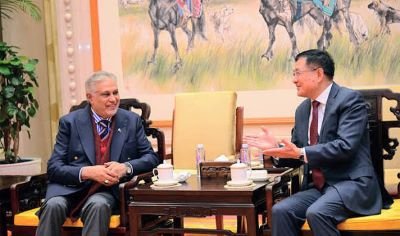
DPM/FM Senator Mohammad Ishaq Dar @MIshqqDar50 spoke today with Iranian FM Abbas Araghchi @Araghchi.
DPM/FM expressed concern over the evolving regional situation, and underscored that dialogue & diplomacy remain the only viable way forward. Both leaders agreed to remain in… pic.twitter.com/nyOebU0Yxm
— Ministry of Foreign Affairs – Pakistan (@ForeignOfficePk) January 29, 2026
Key Highlights
- Prime Minister Shehbaz Sharif spoke with Iranian President Masoud Pezeshkian, emphasizing sustained dialogue for peace, security, and development.
- Foreign Minister Ishaq Dar told Iranian counterpart Abbas Araghchi that “dialogue and diplomacy remain the only viable way forward.”
- Foreign Office spokesman Tahir Andrabi stated Pakistan opposes use of force, coercive measures, sanctions, and interference in Iran’s internal affairs.
- Pakistan supports multilateral efforts under international law, including the JCPOA framework and relevant UN resolutions.
- The position comes as the EU designated Iran’s IRGC a terrorist organization, imposed new sanctions, and the US continues a major military build-up in the Gulf.
Clear Call for Peace
In his weekly briefing, spokesman Tahir Andrabi put it plainly: the region cannot bear more war or chaos because it halts economic progress and prosperity for everyone. He linked Pakistan’s stance to longstanding advocacy for peace through diplomacy, while noting support for UN-backed positions — including a recent Human Rights Council resolution opposing force and upholding the UN Charter. For many in Pakistan, the message felt deeply familiar — a quiet plea to avoid the kind of escalation that has too often brought suffering to ordinary people on both sides of borders.
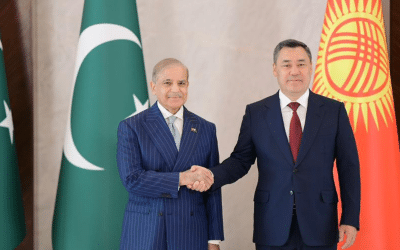
Spoke with my brother President Dr. Masoud Pezeshkian of Iran today.
We exchanged views on the evolving regional situation and agreed that sustained dialogue and diplomatic engagement are vital for peace, security, and development in our region.
We also reaffirmed our…
— Shehbaz Sharif (@CMShehbaz) January 29, 2026
Regional and International Context
The diplomatic outreach unfolded against a backdrop of hardening Western actions. The European Union unanimously blacklisted the IRGC and added fresh sanctions over human rights and Iran’s support for Russia’s war in Ukraine. Meanwhile, the US has deployed the USS Abraham Lincoln carrier strike group, additional destroyers, thousands more troops, and advanced missile defenses — pushing total American forces in the region toward 50,000. Iran’s army chief vowed a “crushing response” to any attack, while allies like Russia cautioned that force would only fuel dangerous chaos.
Turkiye offered mediation, Saudi Arabia and Gulf states signaled they would not allow their territories for action against Iran, and Egypt urged the resumption of US-Iran nuclear talks.
What’s Next
Pakistan’s consistent position is likely to shape its engagements in the coming days, with eyes on any escalation in the Gulf or fresh diplomatic moves. The government will continue advocating restraint and dialogue — a path many here believe offers the best hope for stability and progress in a tense neighborhood.
You May Like To Read: Pakistan Vows to Prevent Desertification of Fertile Plains at UN Security Council
In a world too quick to reach for force, Pakistan’s voice remains steady: talk, not war, is the way forward. The nation watches with concern, hoping cooler heads prevail before the cost falls on innocent lives once again.
Check out our latest video: