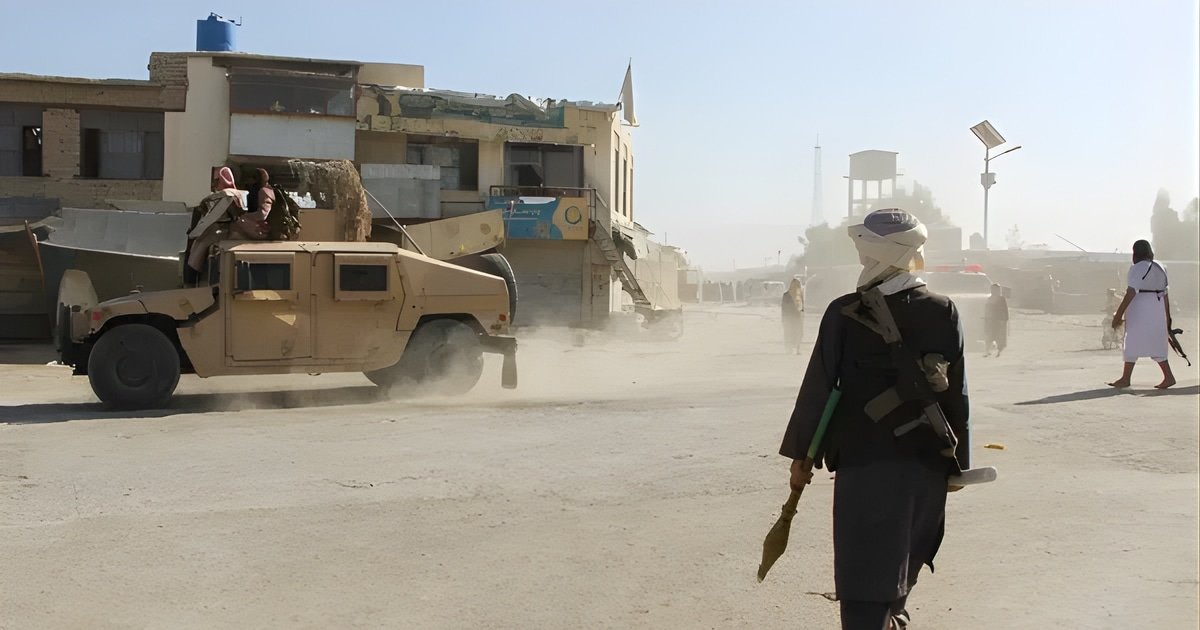




ISLAMABAD: A United Nations Security Council (UNSC) monitoring report has cast serious doubt on the Afghan Taliban’s repeated claims that militant groups are not operating from Afghan soil, warning that such assertions are “not credible” and that Afghanistan is increasingly viewed by neighbouring states as a source of regional insecurity.
The assessment appears in the sixteenth report of the Analytical Support and Sanctions Monitoring Team, submitted to the UNSC, which reviews the security situation in Afghanistan more than four years after the Taliban returned to power in August 2021.
According to the report, the Taliban continue to deny the presence or operations of terrorist groups within Afghanistan, despite consistent intelligence shared by multiple UN member states. These states report the presence of groups including the Tehreek-i-Taliban Pakistan (TTP), Al Qaeda, Islamic State-Khorasan (ISIL-K), the Eastern Turkistan Islamic Movement (ETIM/TIP), Jamaat Ansarullah and others, some of which are using Afghan territory to plan and prepare cross-border attacks.
While the Taliban have conducted sustained operations against ISIL-K, which the UN describes as their primary adversary, their approach towards other groups has been markedly different. Al Qaeda, the report says, maintains close ties with the Taliban and retains a low-profile but persistent presence across several Afghan provinces, benefiting from what monitors describe as a permissive environment for regrouping and training.
You May Also Like: Amnesty urges halt to forced deportations of Afghans amid humanitarian crisis
The report identifies the TTP as the most acute threat to regional stability, particularly to Pakistan. It notes that elements within the Taliban continue to provide support to the group and that Afghan authorities have failed to restrain its activities. While some senior Taliban figures increasingly view the TTP as a liability that strains relations with Pakistan, others remain sympathetic, reflecting internal divisions within the movement.
Given the historical ties between the two groups, the report assesses it as unlikely that the Taliban will take decisive action against the TTP, even under external pressure. It adds that the Taliban may also lack the capacity to do so.
Al Qaeda is assessed by the United Nations as maintaining close ties with the Taliban, with a persistent presence in several provinces.https://t.co/z3QvEWR8Qs
— Dawn.com (@dawn_com) December 18, 2025
UN monitors estimate that the TTP has carried out more than 600 attacks in Pakistan so far in 2025, many involving complex and coordinated tactics. The report states that a majority of suicide attackers involved were reportedly Afghan nationals.
The continued violence has led to cross-border military tensions and repeated closures of Pakistan-Afghanistan border crossings, which the UN estimates are costing the Afghan economy around $1 million per day.
The report also notes growing cooperation between militant groups, stating that Al Qaeda has “blended itself with TTP”, with or without the acquiescence of the Taliban, further complicating the regional security environment.
Check out our latest video: