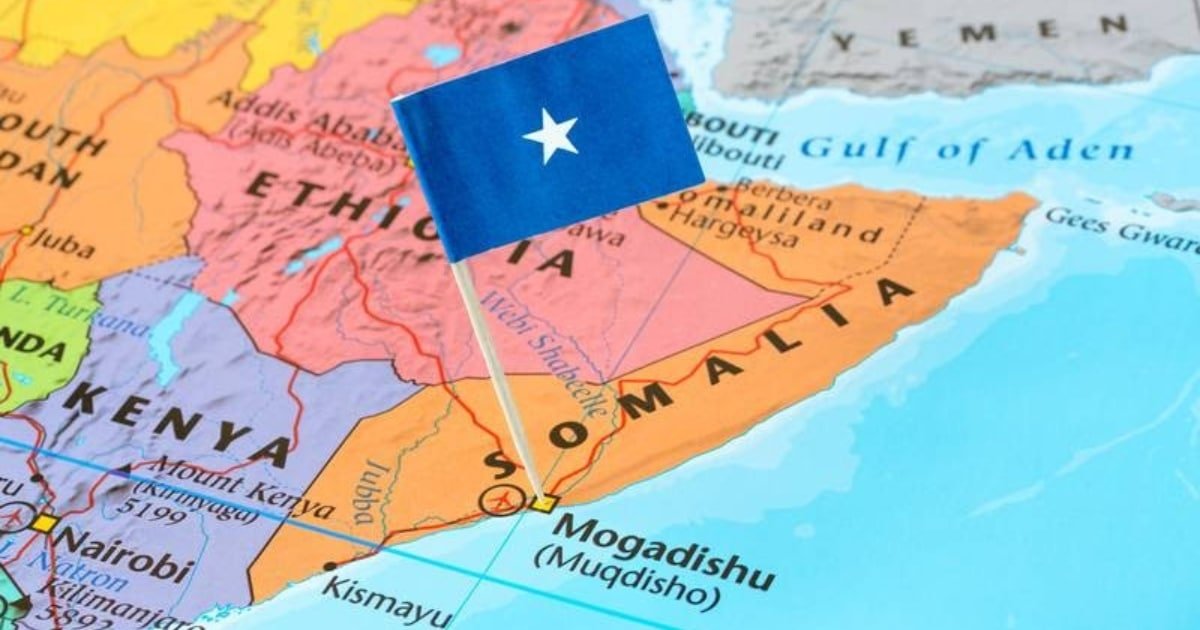




Pakistan, along with 20 other countries and the Organisation of Islamic Cooperation (OIC), has strongly rejected Israel’s decision to recognize the self-declared Republic of Somaliland as an independent state. The joint statement, issued on December 28, 2025, described the move as a “blatant disregard for international law” and a violation of Somalia’s sovereignty and territorial integrity. Foreign ministers from the signatory nations condemned the recognition in the strongest terms, warning of its serious repercussions for peace in the Horn of Africa and beyond. Pakistan’s Foreign Office emphasized unwavering support for Somalia’s unity while linking the decision to broader concerns over regional stability.
Just IN:— Pakistan comes out in full support of Somalia, strongly rejects attempts to undermine sovereignty and territorial integrity of Somalia.
— Pakistan says it rejects the Israeli recognition of independence of the so called independence of Somaliland region of Federal… pic.twitter.com/IossUtE5VD
— South Asia Index (@SouthAsiaIndex) December 27, 2025
Key Highlights
- Israel became the first country to formally recognize Somaliland on Friday, December 26, 2025.
- Somaliland has maintained effective autonomy since 1991 but lacked international recognition until Israel’s announcement.
- Joint statement signed by Pakistan, Jordan, Egypt, Algeria, Comoros, Djibouti, Gambia, Iran, Iraq, Kuwait, Libya, Maldives, Nigeria, Oman, Palestine, Qatar, Saudi Arabia, Somalia, Sudan, Turkiye, Yemen, and the OIC.
- Signatories rejected any potential link between the recognition and attempts to forcibly displace Palestinians.
- Pakistan’s Deputy Prime Minister and Foreign Minister Ishaq Dar reaffirmed full support for Somalia in calls with Somali and Egyptian counterparts.
- Somalia called the move a “deliberate attack” on its sovereignty; African Union warned of a “dangerous precedent.”
Israel’s Recognition of Somaliland Sparks International Concern
The unprecedented step by Israel has drawn sharp criticism from Muslim-majority nations united in defense of established international norms.I
n the joint declaration released by Pakistan’s Foreign Office, the 21 countries and OIC underscored their “unequivocal rejection” of the measure. They highlighted how it undermines the United Nations Charter’s principles on state sovereignty and territorial integrity.
Observers noted that Israel’s action — announced amid ongoing regional tensions — could complicate efforts for stability in the Red Sea and Horn of Africa. The statement also firmly opposed any connection to Palestinian displacement plans, calling such ideas unacceptable in principle.
Pakistan’s Firm Stance on Somalia’s Sovereignty
Islamabad has taken a leading role in rallying support for Mogadishu. In a separate statement on Saturday, the Foreign Office condemned Israel’s recognition as an attempt to erode Somalia’s unity. It urged the international community to deter actions that threaten broader peace efforts.
🔊PR No.3️⃣8️⃣5️⃣/2️⃣0️⃣2️⃣5️⃣
Joint Statement by the Foreign Ministers of Jordan, Algeria, Comoros, Djibouti, Gambia, Iran, Iraq, Kuwait, Libya, Maldives,Nigeria,Oman,Pakistan,
Palestine, Qatar,Saudi Arabia,Somalia, Sudan,Turkiye,Yemen, and the OIChttps://t.co/whHmyjVqhA
🔗⬇️ pic.twitter.com/KrPP0pnzcF— Ministry of Foreign Affairs – Pakistan (@ForeignOfficePk) December 28, 2025
During telephone conversations, Deputy Prime Minister Ishaq Dar assured Somali Foreign Minister Abdisalam Abdi Ali of Pakistan’s backing at the United Nations Security Council and other forums. The Somali minister expressed gratitude for Pakistan’s consistent solidarity.
Dar also discussed the issue with Egyptian Foreign Minister Dr. Badr Abdelatty, focusing on shared concerns over Somalia and Yemen.
Meanwhile, the United States distanced itself from the move, with President Trump stating Washington has no plans to recognize Somaliland.
Pakistan’s participation in this collective response reflects its commitment to upholding international law and supporting brotherly nations in preserving their territorial integrity. The unified stand reinforces solidarity among OIC members on issues of sovereignty and justice.