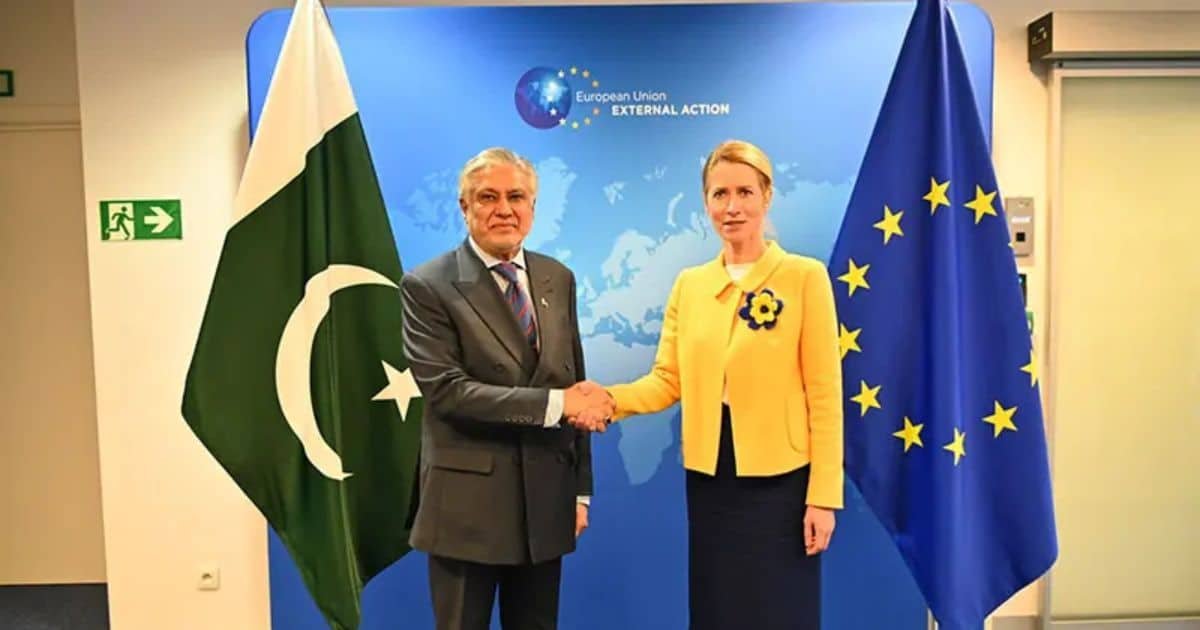



ISLAMABAD: The European Commission has pledged €126 million to tackle pressing humanitarian needs across Pakistan, Iran, and Afghanistan in 2026 — a timely boost amid shrinking global donor support and escalating crises in the region.
This allocation forms part of the EU’s initial €1.9 billion humanitarian aid budget for the year, announced as 239 million people worldwide face urgent assistance requirements.
239 million people need help.
Funding is shrinking.
Crises are multiplying.
But the EU stays.
€1.9 billion in humanitarian aid for 2026 to support people affected by conflict, disasters and displacement – worldwide.
More: https://t.co/K7oPWrYBxB pic.twitter.com/wi0hdFVWEZ
— EU Civil Protection & Humanitarian Aid 🇪🇺 (@eu_echo) January 21, 2026
Key Highlights
- €126 million earmarked specifically for humanitarian support in Afghanistan, Pakistan, and Iran.
- Part of broader €1.9 billion initial commitment by the European Commission for 2026 global crises.
- Additional €415 million+ reserved for sudden emergencies and strategic supply chains.
- Commissioner Hadja Lahbib highlighted the move at the World Economic Forum in Davos, calling for private sector partnerships to bridge funding gaps.
- UNHCR warns displaced populations could exceed 136 million by end-2026, with severe cuts already hampering responses.
The funding arrives when the global humanitarian system strains under record demands — from prolonged conflicts to climate shocks and funding shortfalls by major donors. Commissioner for Equality, Preparedness and Crisis Management, Hadja Lahbib, carried the announcement to Davos, urging innovative financing and private sector involvement to complement public efforts.
“The humanitarian system is under unprecedented strain, and public funding alone will not meet the scale of the crisis,” Lahbib said. She emphasized Europe’s leadership role as the world’s largest humanitarian donor, committing to principled aid that reaches those in need.
In a related push, Lahbib will co-host an event with the World Economic Forum on “New Alliances in Aid and Development” to explore fresh collaborations.
Meanwhile, the UNHCR’s latest projections paint a sobering picture: By end-2025, some 117.3 million people were forcibly displaced — a slight dip from 2024 — yet numbers could surge to 136.3 million by late 2026, including returnees and stateless individuals. Severe budget cuts have already forced the agency to scale back operations and trim its workforce by a third.
Pakistan stands to benefit from this EU support at a critical juncture, where humanitarian challenges — including displacement, economic pressures, and climate vulnerabilities — continue to demand sustained international solidarity. The allocation underscores Europe’s ongoing commitment to regional stability and relief in South and Central Asia.Observers note that such funding partnerships remain vital as needs escalate and traditional donors retreat. Europe, through this step, reaffirms its role in leading the global response with action and innovation.
You May Like To Read: Government Launches Nationwide Scheme to Promote Electric Vehicles
Check out our latest video: