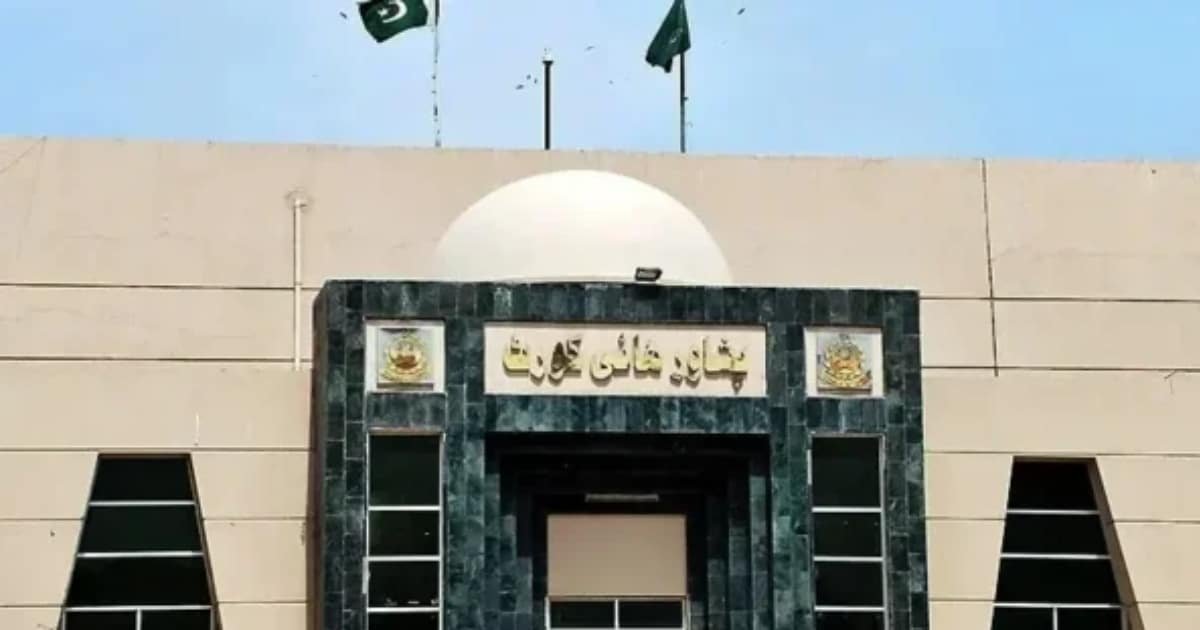



PESHAWAR — The Peshawar High Court (PHC) has upheld the conviction of a 17-year-old juvenile offender for the sexual abuse of a six-year-old girl but has ordered his release on probation for the remainder of his sentence.
The decision, delivered by a single-member bench of Justice Sabitullah Khan on Monday, February 2, 2026, balances the severity of the crime with the legal protections afforded to minors under the Juvenile Justice System Act (JJSA), 2018.
Case Background & Sentencing
The incident occurred in January 2022 in the Malakand district. The appellant, who was approximately 14 at the time of the crime, was initially charged with rape. However, a juvenile court in Dargai later convicted him of sexual abuse under Section 377-B of the Pakistan Penal Code (PPC).
- Original Sentence: 14 years of simple imprisonment and a fine of Rs 1 million (awarded Nov 19, 2025).
- Legal Shift: While Section 376 (rape) was not established, the court found the evidence for sexual abuse to be “fully established.”
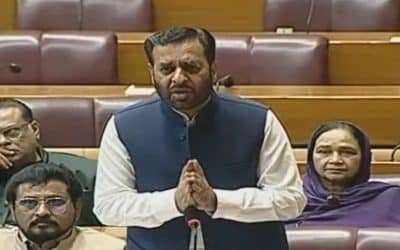
Rising drug usage among Pakistan’s youth is alarming: recent reports indicate up to 44% of university students use drugs, with 17 million aged 18-31 struggling with addiction, and ANF warning that millions remain vulnerable in educational institutions.
Deeply disappointed by the… pic.twitter.com/y7Q2JH8tS0— Senator Sehar Kamran T.I. (@SeharKamran) January 28, 2026
The Court’s Reasoning for Probation
Justice Sabitullah Khan noted that while the offence is non-compoundable (meaning it cannot be legally settled through a private compromise), several factors justified a shift to probation:
- Rehabilitation vs. Hardening: The court expressed concern that keeping a 17-year-old among “hardened criminals” for a lengthy term would deteriorate his character rather than reform it.
- First-Time Offender: The appellant had no prior criminal record and was of “tender age” at the time of the occurrence.
- Restored Relations: A compromise had been reached between the families. The victim’s father submitted an affidavit stating the family had “pardoned the convict in the name of Allah” following the intervention of local elders.
“Instead of retaining him in jail to serve the sentence, it would be more appropriate to release him on probation… for the remaining period of imprisonment.” — Justice Sabitullah Khan
You May Also Like: Altaf Hussain Admitted to London Hospital Amid Deteriorating Health
Terms of the Probation Order
The release is not an acquittal but a supervised transition. The appellant must adhere to the following:
- Bail Bond: A bond of Rs 500,000 must be furnished by his father or guardian.
- Good Conduct: He must not commit any other offence and must maintain strictly good behavior.
- Monitoring: The convict is required to visit a Probation Officer once every six months.
- Consequences: Any violation of these terms will lead to the immediate cancellation of the probation and a return to prison.
Legal Context: Juvenile Justice System Act (JJSA), 2018
Under Section 15 of the JJSA, courts have the power to release juvenile offenders on probation even for major offences, provided it serves the “best interest of the child” and the youth shows potential for social reintegration. This ruling underscores a judicial shift in Khyber Pakhtunkhwa toward restorative justice for minors.
The convict is now eligible for immediate release from jail once the bonds are processed.
Check out our latest video: