

A Watershed Moment in Regional Diplomacy
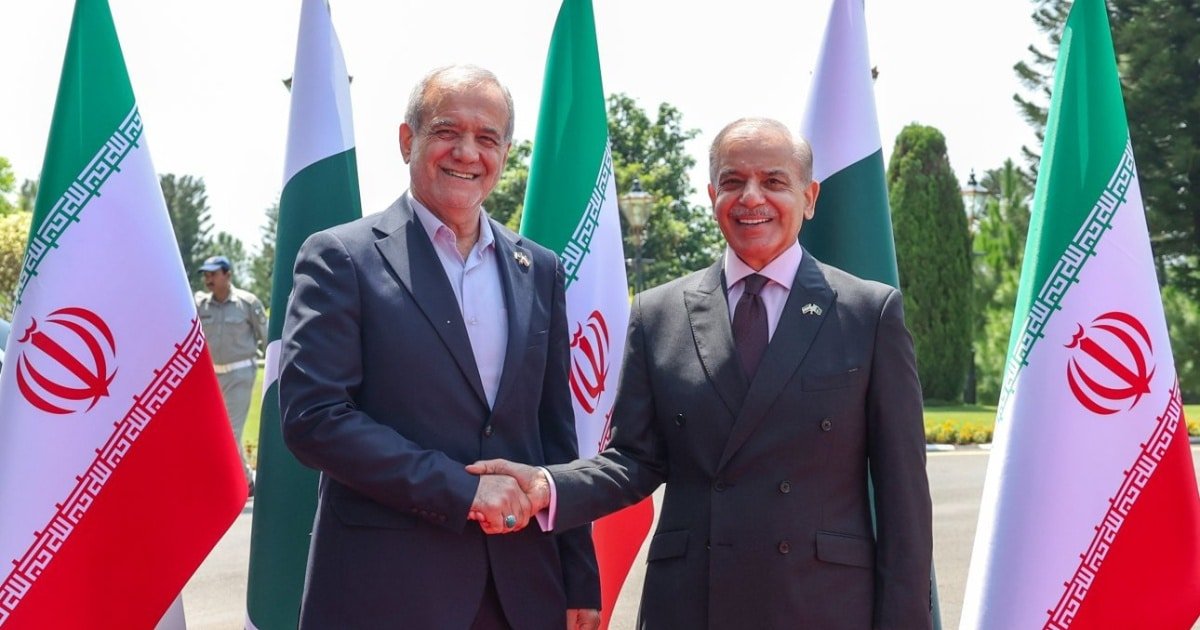
The visit of the Iranian President, Dr. Masoud Pezeshkian, to Islamabad in August 2025 will mark a new era in the foreign policy of Pakistan. It demonstrates the strategic independence of Islamabad and its ambitions in the multipolar region. This visit takes place as the world order is changing and the Middle East is in turmoil. The summit has enhanced the ties between Pakistan and Iran. Their relationship has transitioned to a practical multi-dimensional alliance, instead of a historical friendship. The two countries entered into 12 significant agreements. These include trade, security, energy, and cultural cooperation.
The diplomacy of Islamabad is proactive. It aims to safeguard national interests in Pakistan. Meanwhile, Pakistan is also trying to position itself as a stabilizer in West Asia. To Pakistan, this summit has three primary advantages. First, it increases economic robustness with improved connections. Second, it enhances security at the western border of Pakistan. Third, it enhances Pakistan’s diplomatic power in the Muslim world.
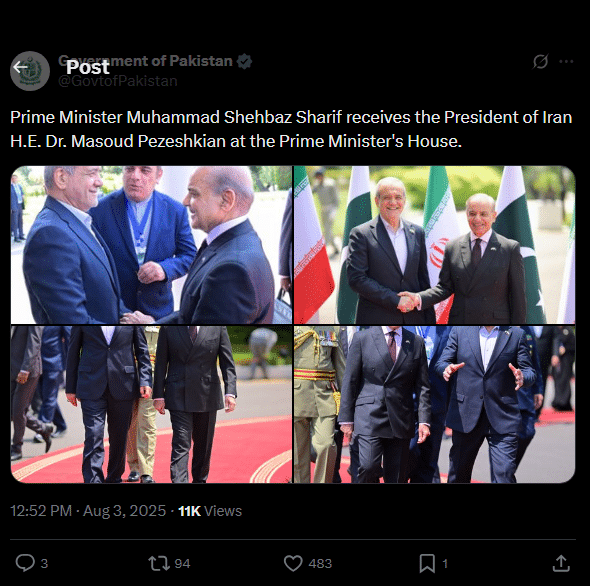
Source: X/@GovtofPakistan
Connectivity as Economic Sovereignty
Trade Renaissance
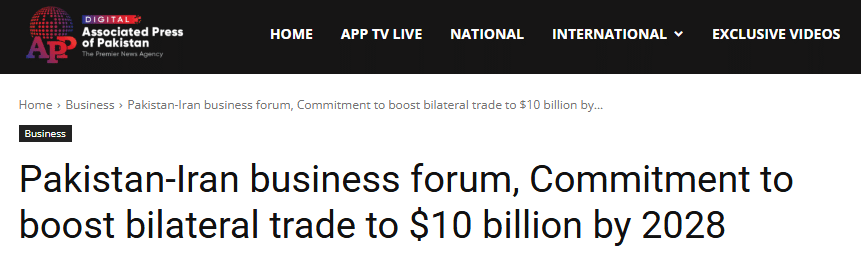
Pakistan and Iran have committed themselves to raising bilateral trade from $3 billion to $10 billion annually. This ambitious objective transcends previous boundaries based on their proximate geographic positioning because they serve as a kind of distance discount. Commerce Minister Jam Kamal is advocating for neighborhood trade integration and also confirmed that Pakistan and Iran have agreed to fast-track the next session of the Joint Economic Commission. This platform will be crucial in addressing trade challenges and exploring new avenues of cooperation. The most important sectors are agriculture, energy, and logistics. This will enhance the agro-industrial sector in Pakistan and alleviate the energy crunch by importing Iranian petroleum.
You May Like To Read: Pakistan’s New Consulate in Kandahar: Soft Power or Security Outreach?
Infrastructure Synergy
The summit was also aimed at transforming the border in Balochistan into an economic corridor rather than a friction zone. Notably, the rivalry between Pakistan and Iran is not viewed over their Gwadar and Chabahar ports anymore. Rather, they will serve as supplementary hubs. This has the potential to connect Pakistan to Turkey, Central Asia, and Russia via Iranian transit routes.
Institutional Frameworks
The Pakistan-Iran Free Trade Agreement (FTA) will be fast-tracked. Areas that are being focused on include tariff harmonization and easier border processes. The formal trade routes will serve the Pakistani exporters, and the smuggling will decrease.
Source: APP
Diplomatic Assertiveness and Security
Solidarity Against Aggression
Pakistan strongly condemned Israel’s strikes against Iranian nuclear sites in June 2025. This denouncement, with the support of “240 million Pakistanis,” gave Pakistan the status of a principled ally of Iran. President Zardari also appreciated Iran for helping Pakistan in its “war against India.” This understanding is not limited to the sectarian boundaries. It enhances Pakistan’s stance on Kashmir and counters India’s regional primacy.
Nuclear Legitimacy
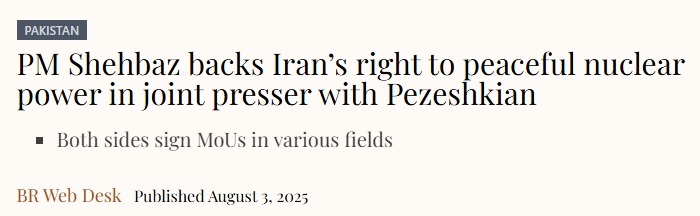
Prime Minister Shehbaz Sharif made an open declaration on defending the rights of Iran to have peaceful nuclear technology. He stated that Pakistan was in support of Iran getting peaceful nuclear power. This declaration challenged Western nuclear rights hypocrisy. It has also highlighted that the UN charters should enable Muslim countries to be nuclear self-reliant. In this way, Pakistan is establishing itself as a leader in the Global South.
Source: Business Recorder
Regional Rebalancing and Pakistan’s Leadership
The summit’s significance goes far beyond bilateral agreements. It reflects Pakistan’s growing leadership role in reshaping regional dynamics. Islamabad is challenging U.S.-dominated security frameworks by promoting regional cooperation among Muslim nations. As U.S. sanctions on Iran intensify, Pakistan’s decision to strengthen energy ties with Tehran is a bold assertion of strategic economic partnership. Foreign Minister Ishaq Dar’s focus on “economic diplomacy” reflects Islamabad’s pragmatic approach. Pakistan aims to maintain constructive relations with Western countries while simultaneously deepening its partnerships in Eurasia. This balanced policy shows Islamabad’s commitment to an independent foreign policy that prioritizes national interests.
You May Like To Read: Pakistan-Saudi Relations in the Post-Khashoggi Era
The summit also addressed domestic challenges, particularly in Balochistan. By agreeing on joint ventures in agriculture and mining, Pakistan and Iran aim to uplift border regions that have long been overlooked. This economic collaboration counters external narratives of neglect and marginalization. Moreover, integrating Balochistan into regional trade corridors will transform it from a peripheral zone into a vital trade hub. This strategy not only advances the goals of the China-Pakistan Economic Corridor (CPEC) but also contributes to the province’s long-term stability.
Conclusion
This summit goes beyond mere transactional diplomacy. It reflects Pakistan’s vision as an independent, Muslim-majority power. Pakistan is promoting regional integration on its terms. By aligning Iran’s resilience with its own connectivity goals, Islamabad has created a new model for middle-power diplomacy. This model uses geography, Islamic solidarity, and principled diplomacy to navigate great-power rivalries. Foreign Minister Araghchi called the partnership a “strategic investment in the future.” For Pakistan, seeking sovereignty in a polarized world, the Tehran-Islamabad axis offers a path to balanced and independent statecraft.