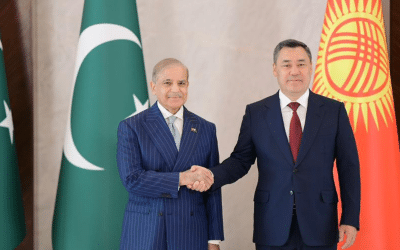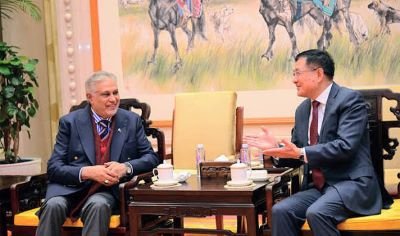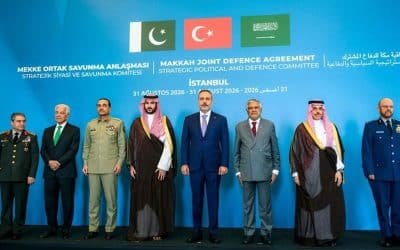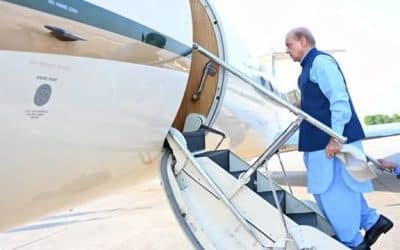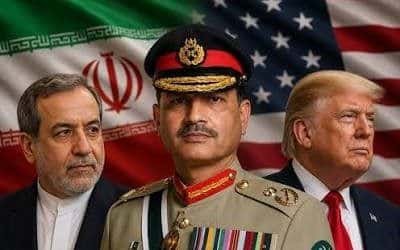


In a move described by analysts as “carefully calibrated,” Pakistan’s top leadership formally reached out to Ayatollah Seyyed Mojtaba Hosseini Khamenei on Tuesday, March 10, following his transition to Supreme Leader of the Islamic Republic of Iran. The diplomatic outreach comes at a peak of regional volatility, following the assassination of his father, Ayatollah Ali Khamenei, on February 28.
#Bad news 🗞️ world war 3 loading
BREAKING:
🚨 WARNING:#IRAN HAS NAMED ALIREZA ARAFI AS THEIR NEW SUPREME LEADER
READ THE POST BELOW FOR THE FULL EXPLANATION OF WHAT IT MEANS#IRAN WILL SOON TRUMO… Show more pic.twitter.com/ghk90DDEBP
— A K Mandhan (@A_K_Mandhan) March 1, 2026
President and PM Signal Policy Continuity
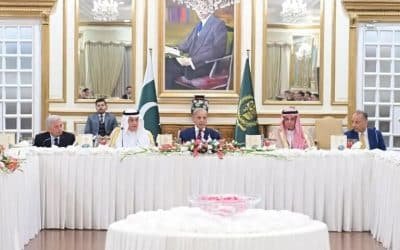
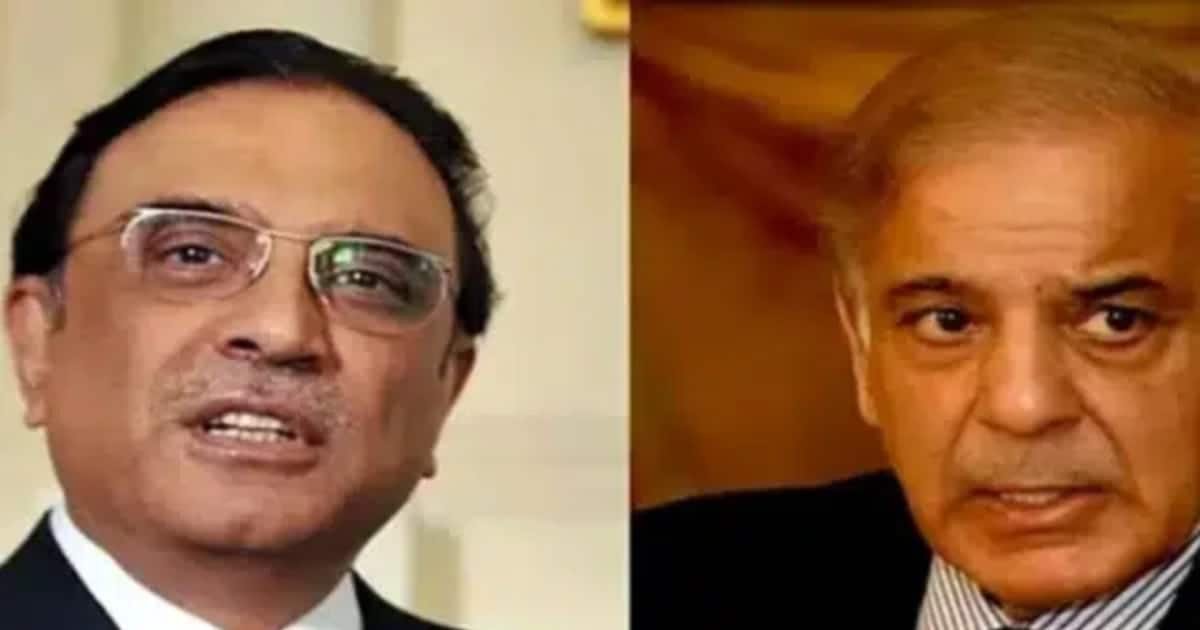
Both President Asif Ali Zardari and Prime Minister Shehbaz Sharif issued separate statements to the new Iranian leader, focusing on stability and regional peace.
- President Zardari: Expressed hope that the “serious tensions and conflict” currently gripping the region would stabilize under the new leadership.
- PM Shehbaz Sharif: Offered “deepest condolences” over the late Supreme Leader’s death and described the new role as an “onerous responsibility.” Notably, the PM’s message avoided direct naming of the US or Israel, reflecting Islamabad’s effort to remain a neutral party.
Ishaq Dar’s ‘De-escalation’ Phone Diplomacy
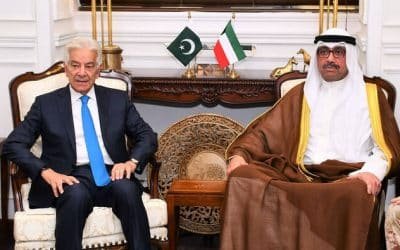
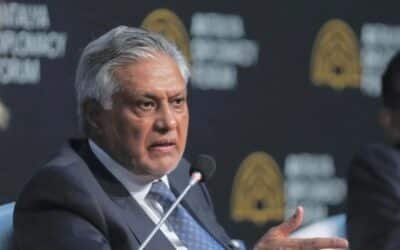
While the leadership focused on Tehran, Foreign Minister Ishaq Dar engaged in a flurry of high-level telephonic conversations to prevent a wider regional spillover.
- China (Wang Yi): Both leaders emphasized the UN Charter and the urgent need for dialogue. Beijing reportedly “appreciated Pakistan’s constructive efforts” in acting as a regional stabilizer.
- Saudi Arabia (Prince Faisal): Discussed ongoing UN Security Council deliberations. Pakistan is closely coordinating with Riyadh to ensure the safety of Gulf maritime routes, particularly the Strait of Hormuz.
- Bahrain (Al Zayani): Dar expressed “grave concern” over recent attacks in Bahrain and reiterated Pakistan’s support for the kingdom’s sovereignty.
Truth or propaganda?
Breaking News: Iranian new Supreme Leader Mujtaba Khamanie might not alive? Journalist and author Jason Rezaian tells @andersoncooper of CNN, “he might not be alive.” pic.twitter.com/znfSxBXvQU#Irán #telavivyanıyor #Israël #IranWar— Pak-China Today (@PakChinaToday) March 11, 2026
The Balancing Act: Iran, the US, and the Gulf
Pakistan’s position is uniquely complex due to three major factors:
- The Border: Sharing a 900km border with Iran makes any domestic instability in Tehran a direct security concern for Islamabad.
- The US-Israel Alliance: Pakistan maintains critical strategic and military ties with the US, which is currently in a direct military confrontation with Iran.
- The Gulf Economy: With millions of Pakistanis working in Saudi Arabia and the UAE, and the country’s energy supply dependent on the Gulf, any further escalation is an existential economic threat.
“The message was necessary. Iran is a neighbor, but Pakistan must maintain a balanced posture to prevent this crisis from spilling over our own borders.” — Senior Pakistani Official.
You May Like To Read: An Overview of Operation Ghazab lil Haq: Pakistan’s Response to Cross-Border Terrorism
OIC and UN Engagements
Following these calls, Pakistan is expected to support a joint OIC-GCC resolution calling for a temporary “humanitarian maritime corridor” in the Persian Gulf. Foreign Minister Dar is also slated to travel to China later this month to further coordinate a regional “Peace Roadmap” with the SCO (Shanghai Cooperation Organization) members.
Check out our latest video: