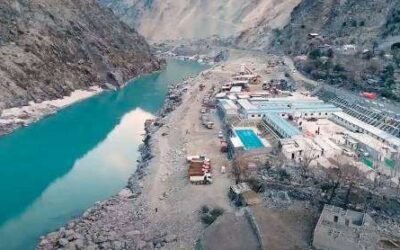



In what President Donald Trump has labeled the “most powerful bombing attack in the history of the Middle East,” the United States military has successfully targeted the strategic Kharg Island in the Persian Gulf. This operation marks a severe escalation in Operation Epic Fury, moving from the suppression of air defenses to the systematic dismantling of Iran’s economic and logistical backbone.
The Importance of Kharg Island
Kharg Island is not merely a military outpost; it is the jugular vein of the Iranian economy.
Trump just bombed the hell out of Kharg Island, Iran’s most critical oil export hub.
Earlier today, the Pentagon approved the deployment of 3,000 Marines and sailors.
I really, really, really hope this is not preparation for boots on the ground.
I refuse to believe this is the… https://t.co/eJi5YbPxKT pic.twitter.com/GYRw4L87pr
— Mario Nawfal (@MarioNawfal) March 14, 2026
- Oil Dominance: Approximately 90% of Iran’s crude oil exports pass through the massive terminals on this 20-square-kilometer island.
- The “T3” Hub: It houses the T-Jetty and Sea Island terminals, capable of loading Supertankers (VLCCs) and Ultra Large Crude Carriers (ULCCs).
- Military Fortification: For decades, Iran has heavily fortified the island with S-300 and indigenous Bavar-373 surface-to-air missiles, many of which are now reported destroyed by CENTCOM.
“All Military Targets Destroyed”
President Trump, speaking from the White House, confirmed that the primary objective was the neutralization of the island’s defensive and offensive military capabilities.
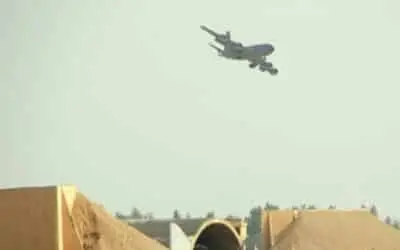
- The Barrage: Reports indicate the use of B-2 Spirit stealth bombers and Tomahawk cruise missiles launched from the USS Abraham Lincoln carrier strike group.
- Surgical Precision: Trump emphasized that oil storage tanks and loading piers were intentionally spared in this first wave to avoid a global environmental and total economic catastrophe—provided Iran complies with U.S. demands.
- The Deterrent: By destroying the military protection of the oil terminals, the U.S. has effectively left Iran’s primary source of revenue completely defenseless.
The Strait of Hormuz Ultimatum
The strike serves as a direct response to the IRGC’s official closure of the Strait of Hormuz earlier this week.
- The Warning: Trump warned that if Iran continues to harass merchant shipping or attempts to sink vessels in the Strait, the “next wave” will level the actual oil processing facilities on Kharg Island.
- “Win-Win” Rhetoric: Trump reiterated his stance that as the world’s leading oil producer, the U.S. is insulated from price shocks, while the total destruction of Kharg would “bankrupt the regime overnight.”
Global and Domestic Aftershocks
- Fuel Prices: Following the news, Brent Crude jumped to $112/barrel, while gas prices in the U.S. spiked toward $4.00/gallon.
- Pakistan’s Austerity: For residents in cities like Faisalabad, the news reinforces the government’s push for the 4-day workweek and energy conservation, as the “fuel shock” is expected to worsen if regional shipping does not resume.
- Flight Disruptions: The strikes have ensured that Middle Eastern airspace will likely remain a “no-fly zone” for another week, continuing the cancellation of Gulf-bound flights from Lahore and Sialkot.
BREAKING: Iran may allow oil tankers through the Strait of Hormuz if traded in Chinese currency
🔴 LIVE updates: https://t.co/aC5ahhoVG4 pic.twitter.com/0dL4MaNRBk
— Al Jazeera Breaking News (@AJENews) March 13, 2026
Strategic Analysis: The “Economic Attrition” Phase
The attack on Kharg Island signals that the U.S. is no longer content with just “containing” the conflict. By blinding and de-fanging Iran’s oil hub, Washington is forcing the new Supreme Leader, Mojtaba Khamenei, to choose between a total economic collapse or reopening the Strait of Hormuz under U.S. terms.
You May Like To Read: LinkedIn Overhauls Feed with LLMs
Check out our latest video: