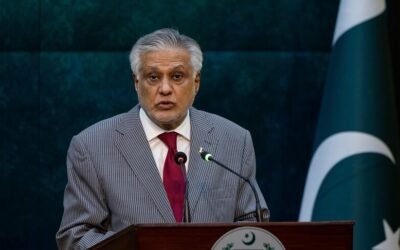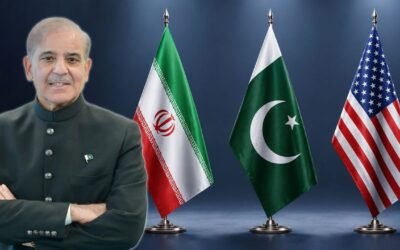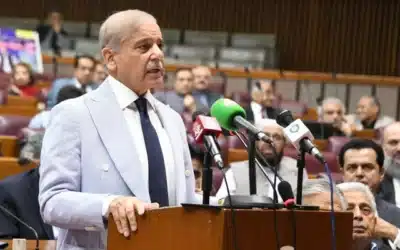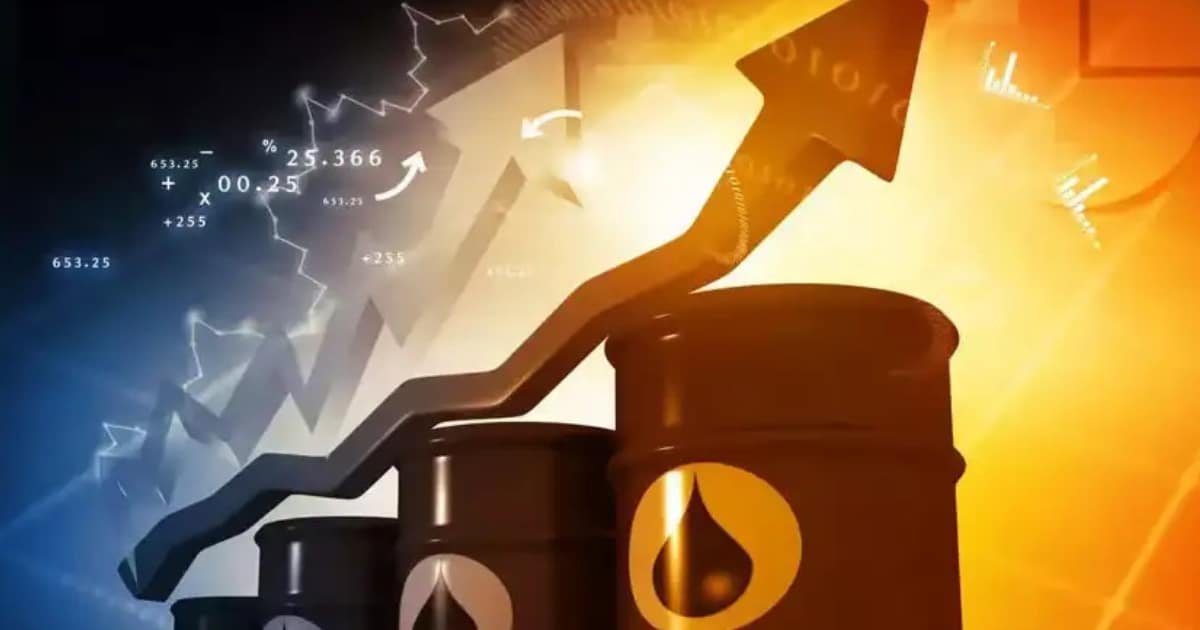



ISLAMABAD (April 29, 2026) — Prime Minister Shehbaz Sharif revealed on Wednesday that Pakistan’s weekly oil import bill has skyrocketed from a pre-war average of $300 million to a staggering $800 million. Addressing a federal cabinet meeting, the Premier detailed the severe economic toll of the ongoing Middle East conflict, noting that while macroeconomic indicators were on a positive trajectory, the global fuel price surge triggered by the U.S.-Israel-Iran escalation has delivered a significant setback to two years of stabilization efforts. Despite these pressures, the Prime Minister assured the cabinet that the fuel supply situation remains “satisfactory” thanks to rigorous crisis management.
Highlights
- Weekly oil imports now cost $800 million, nearly triple the pre-war cost of $300 million.
- PM Shehbaz commended Petroleum Minister Ali Pervaiz Malik for averting a domestic fuel shortage.
- National fuel consumption has decreased in recent weeks as the government monitors the situation.
- Despite the crisis, the PM confirmed that Pakistan has continued to pay its loans and maintained federal reserve levels.
- The federal government is consulting with provinces to extend fuel subsidies to protect vulnerable citizens.
Diplomatic Mediation & Ceasefire Efforts
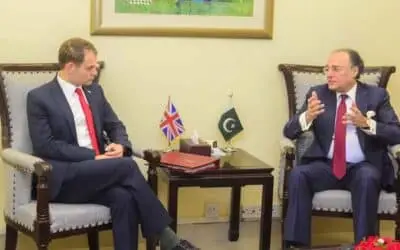
The Prime Minister also provided a rare look into Pakistan’s intensive diplomatic role in the conflict. He highlighted the “Islamabad Talks” initiated on April 11 as a cornerstone of the regional peace push.
The PM lauded Field Marshal Asim Munir and DPM Ishaq Dar for their tireless efforts to de-escalate the situation. He noted that the April 21 ceasefire announced by U.S. President Donald Trump was a direct result of collective diplomatic pressure.
The PM revealed a recent phone conversation with Iranian Foreign Minister Abbas Araghchi, who assured Pakistan of a finalized response following consultations with Tehran’s leadership.
PM Shehbaz Sharif says Pakistan played a key role in facilitating Iran-US talks in Islamabad, helping extend a ceasefire amid rising regional tensions.
He warned that the conflict has driven global oil prices higher, pushing Pakistan’s weekly import bill from $300M to $800M. pic.twitter.com/B77iTPdNRS— HUM News English (@humnews_english) April 29, 2026
Macroeconomic Outlook
While acknowledging the “setback” caused by the war, PM Shehbaz expressed gratitude to the Saudi Arabian leadership for their continued financial support, which has helped keep Pakistan’s reserves stable. The cabinet was informed that regular monitoring is in place to ensure that the “satisfactory” fuel stock levels are maintained without further draining the national exchequer.
The meeting concluded with the Prime Minister emphasizing that while the region remains volatile, Pakistan’s dual strategy of aggressive diplomacy and cautious economic management remains the only viable path forward.
You May Like To Read: Pakistan projects 4% growth in FY26 at EU Business Forum
Check out our latest video: