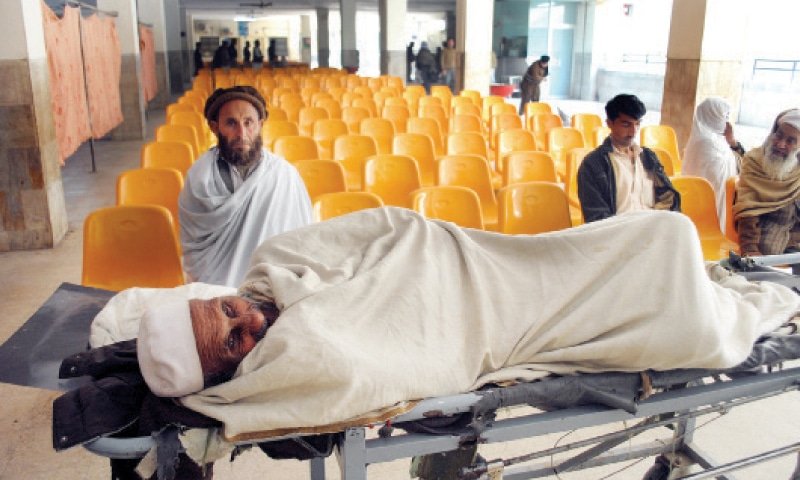
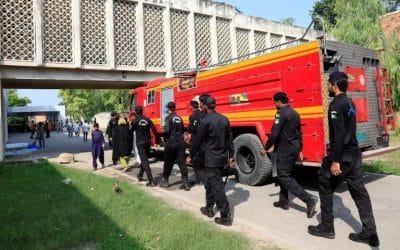


Patients at Khyber Pakhtunkhwa’s medical teaching institutions continue to suffer due to recurring strikes by healthcare workers, with government committees formed after each protest routinely failing to resolve the underlying issues, according to sources and experts. The most recent example was a four-day strike by the Young Doctors Association at Hayatabad Medical Complex (HMC) starting July 24, called over allegations of illegal appointments and corruption. The strike was called off on July 29 after the health department promised a high-level probe, but the inquiry has yet to begin.
Key Highlights
- Young Doctors Association strike at HMC ran four days from July 24 over corruption allegations
- Promised high-level inquiry has not yet begun
- Renal transplants, surgeries and investigations suspended during the strike at the 1,200-bed hospital
- Similar unresolved strikes recorded in March and September of last year
- Experts say government committees form after protests but produce no lasting outcomes
KP pubic have lashed out at PTI government, exposing that prolonged mismanagement, corruption and misplaced political priorities have pushed the province towards a crisis.
Read more: https://t.co/epnMtYtu6g #pakistanconnect pic.twitter.com/OREKMeJ2KP
— P Connect (@ConnectingPak) August 11, 2026
Thousands of Patients Affected at Major Facility
During the four-day strike, thousands of patients at HMC were affected, with surgeries postponed and investigations halted at the hospital, which houses the Institute of Kidney Diseases (IKD), the Pakistan Institute of Community Ophthalmology (PICO) and the Burns and Plastic Surgery Center (B&PSC). IKD alone performs two renal transplants a day under normal operations, while PICO and B&PSC together see hundreds of patients daily for surgeries and examinations.
Sources noted that many of the same doctors continue seeing patients in the evening through institution-based practice (IBP), a paid consultation system that uses the same rooms that serve free outpatient (OPD) care in the morning. During strikes, those rooms remain closed to OPD patients in the morning but reopen for paying patients later in the day, a pattern sources described as standard practice across medical teaching institutions in the province.
Pattern of Strikes Without Accountability
According to sources, strikes at medical teaching institutions typically begin and are called off within days, but the inquiries promised in response are rarely completed, and staff found responsible for disrupting patient services are rarely held accountable. Sources added that many strikes are triggered by disputes that could be resolved through ordinary administrative channels, and noted that neither striking staff nor hospital administration face financial consequences, since salaries continue as usual.
In March, doctors went on strike over the non-implementation of the Khyber Pakhtunkhwa Healthcare Service Providers and Facilities (Prevention of Violence and Damage to Property) Act, 2020, a law intended to protect healthcare workers, patients and hospital property from disruption. Experts described the underlying issue as chronic, saying the government only forms a committee once patient suffering becomes visible, rather than addressing the law’s implementation proactively. In September of last year, HMC was shut down after medics clashed with staff from the TB Control Program following a parking dispute that escalated into a physical altercation; services were suspended for several days before resuming, with no action taken against those involved.
Same Pattern Seen at Other Major Hospitals
The pattern is not confined to HMC. Khyber Teaching Hospital and Lady Reading Hospital in Peshawar, both of which see thousands of patients daily, face similar disruptions. For patients unable to afford private healthcare, these teaching hospitals remain the only accessible option, making service interruptions especially costly. Experts say the province has already completed the legislation needed to protect healthcare workers, but implementation remains the missing piece, alongside more timely resolution of the smaller disputes that keep triggering walkouts.