


As of Monday morning, February 23, 2026, the border between Pakistan and Afghanistan is on high alert following the most extensive Pakistani airstrikes in years. While Pakistan maintains the strikes were a “surgical” success against terror hideouts, Kabul has officially promised an “appropriate and measured response,” marking a collapse of the fragile October 2025 ceasefire.
Competing Narratives
The true impact of the Sunday strikes remains the subject of a fierce information war between the two neighbors.
| Metric | Pakistan’s Claims | Afghanistan’s Claims |
| Confirmed Dead | 80+ Terrorists (TTP & ISKP) | 17+ Civilians (Women & children) |
| Targets | 7 Military Camps & training centers | 1 School & Residential Homes |
| Missing | Not reported | 6 individuals under rubble in Bihsud |
| Locations | High-precision hits in Nangarhar/Paktika | Random bombing in Bihsud, Barmal, & Urgun |
پاکستان کے خلاف سازشوں کا جال بُننے والوں کو ایک بار پھر واضح پیغام مل چکا ہے یہ سرزمین کمزور نہیں، یہ شہداء کے لہو سے مضبوط ہوئی ہے۔
افغانستان میں بھارتی سرپرستی میں پلنے والے فتنہ الخوارج کے ٹھکانوں پر پاک فضائیہ کی بروقت اور مؤثر کارروائی دراصل اُن معصوم جانوں کا بدلہ ہے جو… pic.twitter.com/9RJFhvb2Bo
— Dr. Tariq Fazal Ch. (@DrTariqFazal) February 22, 2026
Why the Ceasefire Collapsed
The Qatar-mediated truce of October 19, 2025, which ended the “70-death” border skirmish, has been systematically eroded by recent events:
- The Islamabad Mosque Bombing (Feb 6): 31 people were killed by an ISKP bomber who Pakistan claims was trained in Nangarhar.
- The Ramadan Resurgence: Attacks in Bajaur and Bannu during the holy month convinced Islamabad that the Taliban’s “promises of restraint” were hollow.
- Diplomatic Deadlock: Negotiations in Istanbul (Turkey) throughout late 2025 failed to produce a formal border management agreement, as Kabul refused to recognize the Durand Line as an international border.
President Zardari’s “Self-Defense” Doctrine
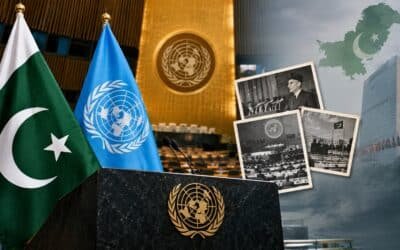
In a forceful statement released late Sunday, President Asif Ali Zardari defended the military action:
- Right to Self-Defense: Zardari argued the strikes are rooted in international law, citing the UN Security Council reports on the TTP’s “operational freedom” in Afghanistan.
- Warning to Kabul: He warned that if bloodshed continues inside Pakistan, those responsible—regardless of their location across the border—”will not remain beyond reach.”
International Reaction
- India: The Ministry of External Affairs strongly condemned the strikes, labeling them an attempt by Pakistan to “externalize internal failures” and criticizing the civilian casualties during Ramadan.
- United Nations: The UN Mission in Afghanistan (UNAMA) has expressed “grave concern” and is reportedly verifying the civilian death toll in Nangarhar.
You May Like To Read: 5 Terrorists Eliminated in Pishin IBO
What to Watch Next
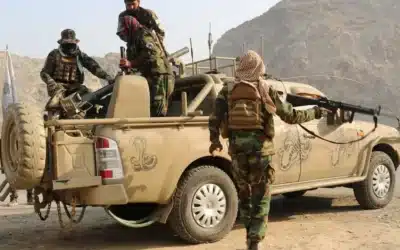
- The “Appropriate Response”: Afghan military movements have been spotted near the Torkham and Chaman crossings. Security analysts expect possible artillery shelling on Pakistani border posts within the next 48 to 72 hours.
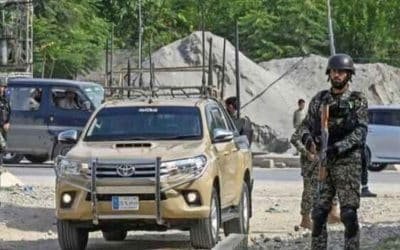
- Border Closures: Trade routes are currently volatile; travelers are advised to avoid border regions as additional PAF sorties remain a possibility if TTP retaliates.
Check out our latest video: