

This article presents major news events from Asia, particularly South Asia, as reported by Al Jazeera. This report provides a concise overview of everything you need to know, keeping you informed and up-to-date in one article. Here is everything important that happened from 3rd to 9th August, 2025.
India- U.S. Relations Strained
Source: Al Jazeera
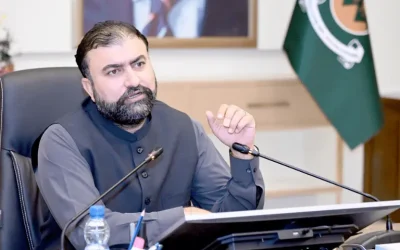
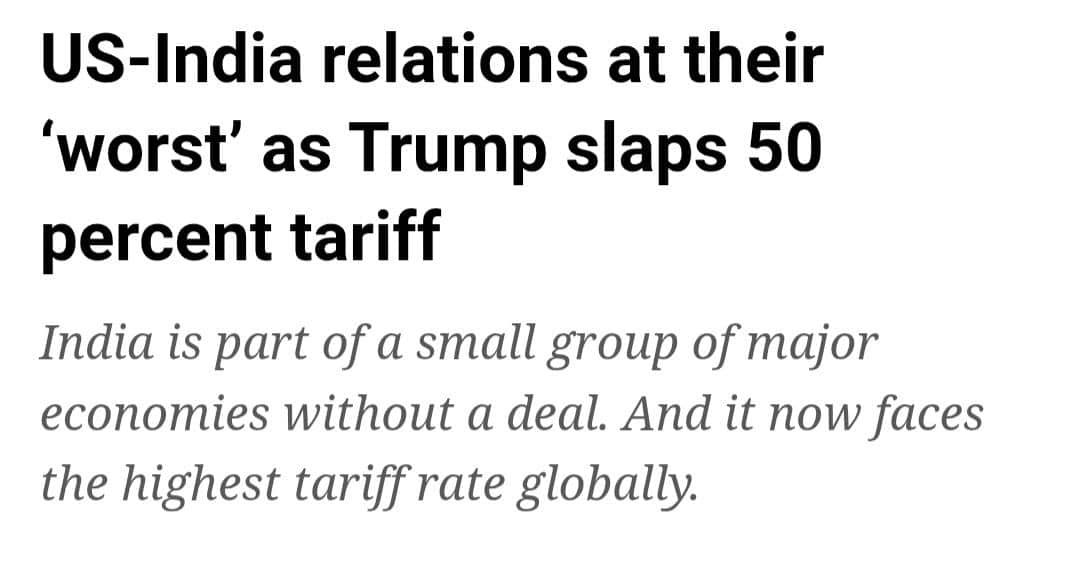
U.S. President Donald Trump and Indian Prime Minister Narendra Modi once enjoyed good relations. Their rapport was publicly celebrated. Only months ago, both leaders had stood together and promised each other support. However, since then, relations have taken a swift turn. Their public warmth has disappeared in the face of differing national priorities. The Al Jazeera article details how the relations between these two countries have reached their most strained period in decades. The turning point came with Trump’s announcement of 25% tariffs on Indian imports. This was specifically targeted at New Delhi for its continued purchases of discounted Russian oil. Trump also stated that India was funding Moscow’s war against Ukraine. India refused to abide by U.S. conditions. This resulted in the tariff rate being doubled to 50% on August 6th. For Washington, this was an attempt to isolate and economically weaken Moscow. But for India, this is a matter of economic stability and strategic independence.

Source: Al Jazeera
India’s stance is defiant. New Delhi claims that Moscow’s fuel sustains its energy policy. This policy is necessary for the nation’s 1.4 billion people. Affordable oil is linked to economic growth, inflation control, and social welfare. All these aspects will be compromised if India agrees to the U.S. terms. Modi has framed the dispute as a matter of “national sovereignty” and not merely of trade disagreements. He has stated that India is prepared to safeguard its autonomy. Despite increasing pressure from the U.S., India is not willing to abandon its partnership with Russia. To the country, trade relationships with Russia are vital.
You May Like To Read: Separatist Movements and the War of Narratives
From a critical perspective, there is much to be learned here. Personal diplomacy in international politics is fragile and cannot be depended upon. The so-called “bromance” between Trump and Modi was insufficient in preventing relations from becoming strained. While personal understandings can help negotiations in serious times, they cannot override geopolitical realities. This dispute also reveals the U.S.’s broader goals. They are more focused on the global order than on keeping strategic partners. Washington’s expectation that India will act as a clear counterweight to China is at odds with New Delhi’s desire to navigate a multipolar world on its terms.
PTI Supporters Rally
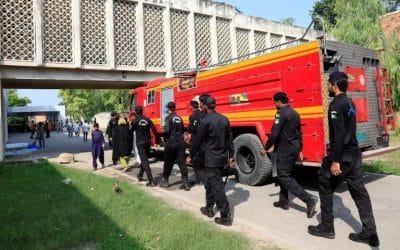
On the second anniversary of the former PTI head’s arrest, protestors have taken to the streets. On August 5th, supporters of the former prime minister rallied to demand his release. They claimed that would mean the restoration of what they called “true democracy”. In Lahore, a large rally had been planned by PTI. However, security forces mounted a significant crackdown. In just the early-morning raids, PTI claimed there had been several arrests.
Rallies were carried out despite the government’s ban on public gatherings. This was especially witnessed in Islamabad and Rawalpindi. Protests in Khyber Pakhtunkhwa were particularly charged, where the former head still commands strong support. PTI spokesperson Zulfikari Bukhari emphasized the need for protestors to be peaceful. Non-violent action until democratic norms were restored was encouraged instead.
Police Raid Kashmir Bookshops

Source: Al Jazeera
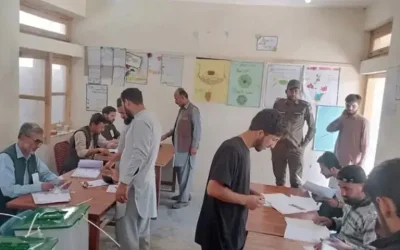
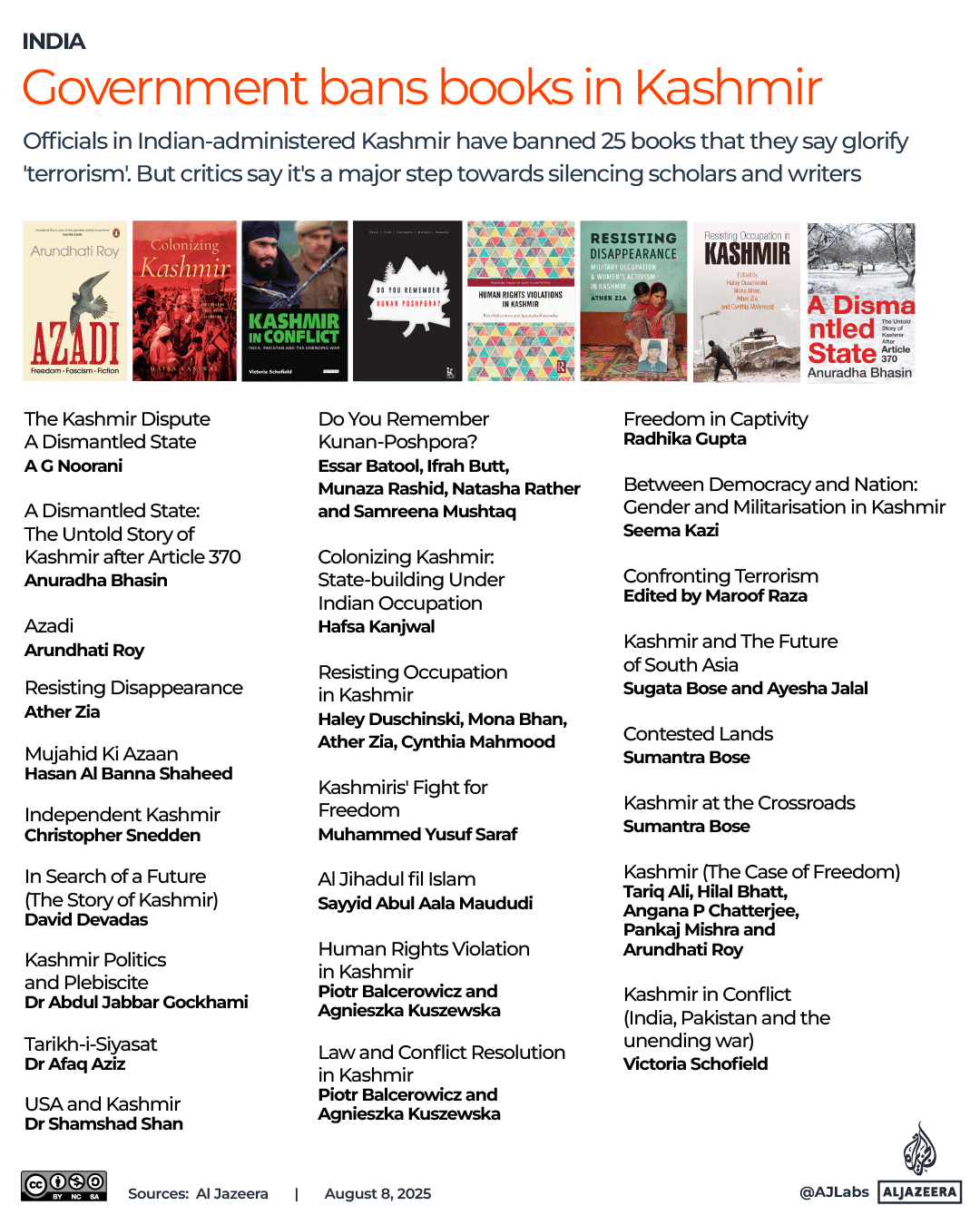
In Indian illegally occupied Kashmir, the Home Department has issued a book ban. This includes banning the publication, possession, or distribution of 25 titles. Authorities claim that these books propagate “false narratives” and “secessionism” in the region. Authors, such as Arundhati Roy and Kashmiri Historian A.G. Noraani, are included in this silencing. The banned works include themes of political history, human rights, and state dynamics in Kashmir. The government claims that these books misguide the youth. They also accuse them of glorifying terrorism and contributing to radicalization. There is also an increase in book bans in the USA. This move echoes back to the time of World War 2, where historical voices were erased through large-scale book burnings. Book bans are a sign of fascism.
You May Like To Read: The Role of Technology in Transforming Culture, Society, and the Work
In the aftermath, police raids have been conducted across the Valley. Bookstore, roadside stalls, and book festivals have all been raided. The banned works have been confiscated. Authors like Sumantra Bose have rejected the accusations. She has emphasized the role of scholarship in peaceful dialogue and historical clarity. There has also been strong criticism from political figures and clerics. This is a clearly authoritarian move whose echoes can be traced back to World War 2. Kashmiri leader Mirwaiz Umar Farooq shared a statement on X, calling this move a historical erasure.
Source: Al Jazeera
Conclusion
There is a struggle in Asia in balancing International diplomacy with internal stability. India faces increasing tariffs but stands firm in safeguarding its interests. In Pakistan, authorities try to balance public expression with control to ensure peace. India’s book banning is an extreme move that will only further cause divisions. These cases show the challenge of keeping order while allowing differing views.