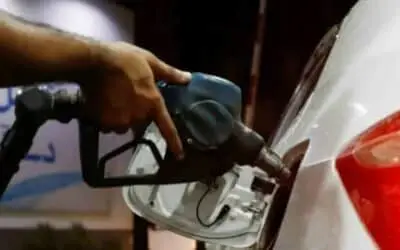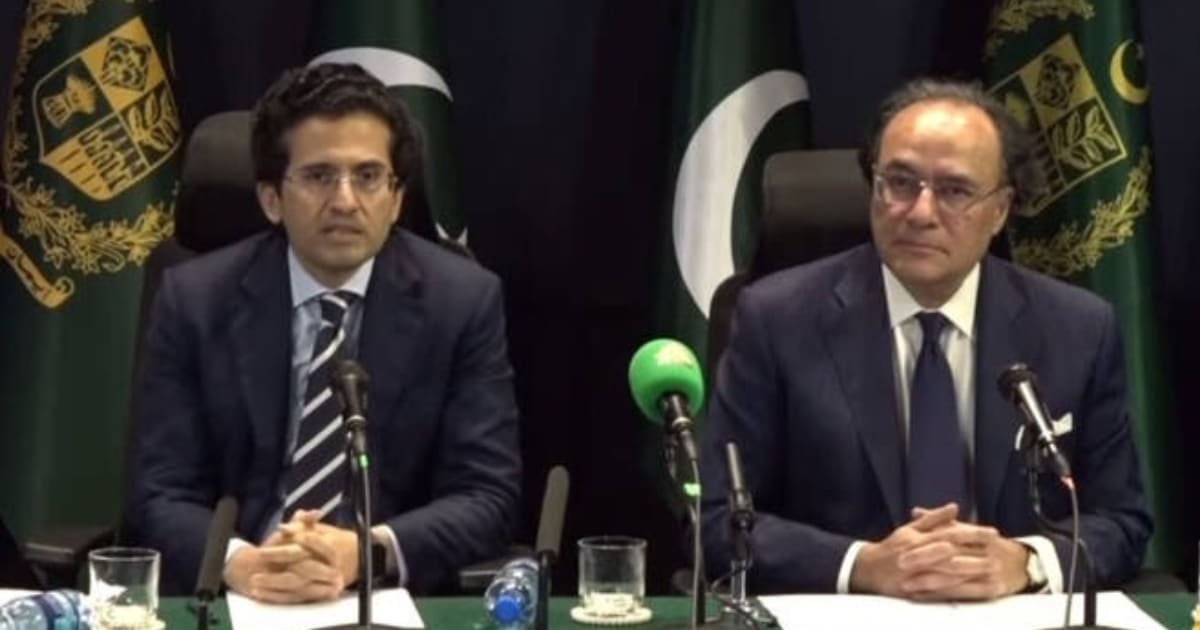


ISLAMABAD — The federal government’s recent decision to scrap blanket petroleum subsidies has sent shockwaves through the national economy, leaving the average Pakistani consumer to grapple with some of the most expensive fuel in the region. As petrol climbs to Rs458 and diesel crosses the Rs520 mark, a comparative analysis reveals a staggering disparity between Pakistan and its immediate neighbors. While global oil volatility—spurred by the escalating US-Israel-Iran conflict—has pressured every energy-importing nation, the localized impact in Pakistan is uniquely severe, with domestic rates now sitting significantly higher than those in India, Bangladesh, and Afghanistan.
Key Highlights
-
Regional Disparity: Pakistani petrol is now 38% more expensive than in India and 40% higher than in Bangladesh.
-
Afghanistan Comparison: Despite being landlocked, Afghanistan’s petrol remains 41% cheaper than Pakistan’s due to diversified Central Asian supply lines.
-
The Iran Gap: Subsidized Iranian fuel remains 99% cheaper, creating an unprecedented incentive for cross-border smuggling.
-
Effective Biker Rate: Even with the government’s Rs100/litre targeted subsidy, Pakistani bikers pay roughly Rs73/litre more than commuters in Delhi.
The South Asian Price Divide
For the common Pakistani reader, the most jarring realization is the gap between Islamabad and New Delhi. When adjusted for currency exchange rates, petrol in India stands at approximately PKR 284.70—a massive 38% cheaper than the new Pakistani rate. Similarly, in Bangladesh, consumers are paying roughly PKR 272.88.
This gap is largely attributed to the different fiscal strategies adopted by neighboring states. While India has utilized “price freezes” and absorbed significant under-recoveries at the state level to protect consumers, Pakistan has moved toward a market-based pricing mechanism—a “bitter pill” required to maintain international fiscal commitments and avoid a total balance-of-payments crisis.
The ‘Incentive’ for Smuggling
The most extreme contrast exists along our western borders. In Iran, where fuel is heavily subsidized, the price remains a fraction of a rupee in our terms. This 99% price difference has turned the border regions into high-risk zones for illegal trade.
Similarly, Afghanistan has managed to decouple its energy security from the volatile Strait of Hormuz by sourcing discounted fuel from Central Asian states. At PKR 267.42, Afghan petrol is nearly half the price of the fuel currently being dispensed at Pakistani stations. This disparity has forced the provincial governments in Khyber Pakhtunkhwa and Balochistan to fast-track digital surveillance and “Safe City” projects to monitor and curb the movement of smuggled petroleum products.
A Test of National Resilience
The shift from blanket to targeted subsidies marks a turning point in Pakistan’s economic management. While the “Biker Subsidy” and “Farmer Support” packages offer a necessary cushion, the broader inflationary pressure on transport and essential goods remains a daunting challenge. As the nation navigates these turbulent global waters, the focus remains on ensuring that supply lines remain open and that the most vulnerable segments of society are shielded from the harshest edges of this global energy storm.
You May Like To Read: Petrol Hits Rs458, Diesel Rs520 as Govt Scraps Blanket Subsidies
Check out our latest video: