




In Pakistan’s fragile economy, few threats are as silent and as destructive as smuggling. Every year, billions of rupees are lost from the national exchequer due to illicit trade, which drains the economy and weakens state institutions. However, since late 2023, a coordinated state-led crackdown on smuggling — especially along the Iran-Afghanistan border — has reversed some of this damage, demonstrating that policy, when paired with political will, can restore economic sovereignty.
According to a joint report by the Research and Development Foundation and TRACIT, Pakistan loses Rs 3.4 trillion annually (about 3.5% of GDP) to illicit trade in fuel, cigarettes, electronics, pharmaceuticals, and other goods. That’s a quarter of the Federal Board of Revenue’s (FBR) total tax collection capacity.
What’s at Stake: A Moral and Economic Crisis
Smuggling is more than just tax evasion — it’s economic sabotage. The cost is paid by every Pakistani:
- Public hospitals remain underfunded.
- Government schools lack infrastructure.
- The rupee stays under pressure, driving inflation.
- Local industries face unfair competition from cheap contraband.
- Black money funds extremist networks and criminal mafias.
In Islamic jurisprudence, public revenue is a collective trust (amanah), and its theft — whether by white-collar elites or smugglers — is not just illegal but profoundly immoral. As the Qur’an says:
“Do not consume one another’s wealth unjustly or send it [in bribery] to the rulers so that you [might] sinfully consume a portion of the wealth of others…” (Surah al-Baqarah, 2:188)
Mapping the Smuggling Empire
The routes are known. The solutions are complex.
- Iran–Balochistan border: A hotspot for diesel smuggling. Before the recent action, Balochistan reportedly lost Rs 10.2 billion per month due to fuel alone.
- Afghan Transit Trade (ATT): Designed to support Afghan needs, ATT is widely abused to import duty-free goods into Pakistan’s black markets. This costs the treasury over Rs 1 trillion annually.
- Local Networks: Illicit cigarettes, smuggled electronics, and counterfeit drugs enter the consumer market, bypassing customs.
The Turning Point: Crackdowns
In 2023, the government launched one of the most significant and extensive operations in Pakistan’s history:
- Between January 2024 and March 2025, authorities seized Rs 75.6 billion in contraband.
- In September 2024, Rs 2.25 billion worth of goods were confiscated during joint operations.
- The crackdown included raids on illegal foreign exchange markets, the arrest of 194 electricity thieves, and enforcement actions against fuel stations using smuggled diesel.
This campaign has been hailed by the Pakistan Customs Service and supported by the FIA, military intelligence, and paramilitary forces.
Fuel: A Case Study in Economic Leakage
Smuggled fuel, primarily diesel from Iran, had long been sold through informal pumps in Balochistan and southern Punjab. With the global oil market fluctuating, the price difference between Iranian and local diesel widened, making smuggling even more lucrative.
Petroleum dealers have flagged a surge in the smuggling of Iranian fuel to Pakistan, saying that up to 35% of diesel sold in the country has arrived illegally from Iran. The result: legal petrol stations were closing down, and the FBR was losing billions monthly in sales tax and petroleum levy.
Now, thanks to improved border security, enhanced teamwork between government departments, and digital tracking of fuel tankers, smuggling has significantly decreased. As a result, petrol stations in Balochistan have seen a rise of up to 50% in legal diesel sales, helping the fuel business recover.
Cigarettes and Pharmaceuticals
The tobacco sector faces massive under-reporting. According to the FBR, more than 40% of cigarette sales evade taxes, resulting in annual losses of Rs 300 billion. Similar trends are observed in the pharmaceutical industry, where fake or smuggled drugs compromise public health and safety.
By enhancing tax stamps and implementing digital tracking of cigarette production, the Track & Trace system piloted by the FBR has already resulted in an increase in revenue collection from major cigarette manufacturers.
Policy Innovations That Worked
What made this crackdown effective?
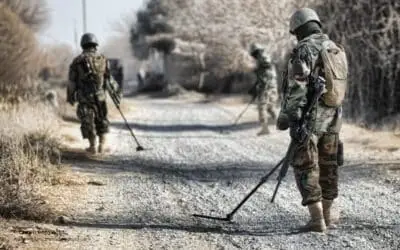
- Border infrastructure: Over 900 km of fencing on the Afghanistan border highlights illegal routes.
- Trained customs, FIA, and LEA officials now monitor high-risk borders.
- Monthly, hundreds of Suspicious Transaction Reports (STRs) are flagged by the Financial Monitoring Unit for FIA action.
- Advanced technology: X-ray scanners, AI-based container tracking, and biometric controls at land ports.
- Community policing in Baluchistan discourages local facilitation of smuggling networks.
- Inter-agency collaboration: NAB, SBP, FMU, FBR, and FIA now operate with improved information-sharing protocols.
- Digital payment reforms are reducing reliance on informal Hawala systems.
Islam, Equity, and National Security
In Islamic ethics, smuggling is considered a violation not only of the law but also of economic justice. Smugglers profit at the expense of the many, much like the monopolists the Prophet ﷺ rebuked:
“Whoever hoards is a sinner.” — (Sahih Muslim)
By enabling smugglers, the state would be complicit in harming the ummah. By taking action, Pakistan’s institutions have done their duty to Islam, to stop wrongdoing and ensure there is fairness in money matters.
Who Benefits from Ending Smuggling?
The answer: Everyone except the black economy.
- Farmers: Lower transport costs due to stable diesel pricing.
- Consumers: Stable inflation, especially for food and energy.
- Business owners: Legal imports now compete on level terms.
- State institutions: Recover credibility and tax revenue.
- Youth: Better education and healthcare investment from increased revenue.
- Islamic values: Wealth is redirected from the mafia to the public good.
Moving Forward: Sustaining the Gains
This crackdown has proven that Pakistan’s state can act when it chooses to. But sustaining the gains requires:
- Revisiting Afghan Transit Trade loopholes through diplomatic channels.
- FATF-compliant financial systems to prevent the laundering of smuggled money.
- Cross-border intelligence sharing with Iran and Afghanistan.
- Strict enforcement of digital invoicing and tax stamps on all high-risk goods.
- Transparency in policing to prevent elite facilitation of smuggling rings.
- Legal reforms to increase penalties and allow property seizure of repeat smugglers.
Conclusion: Pakistan’s Moral and Economic Reclamation
Smuggling is still a big problem in Pakistan, but the recent crackdown at the borders is a positive step forward. It demonstrates that the government is not only prudent with its finances but also upholds the values of Islam and democracy. A country like Pakistan cannot allow crime to grow with its support.
By stopping smuggling, punishing wrongdoers, and using the saved money for the public, Pakistan is opting for honesty and a better future over allowing crime to harm the economy.
Let us protect what is rightfully ours.