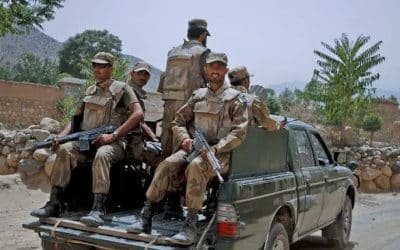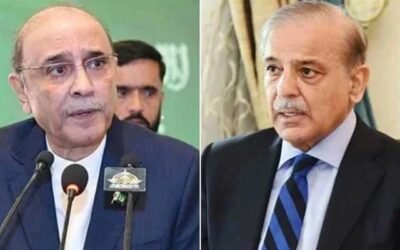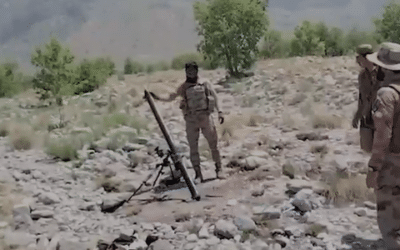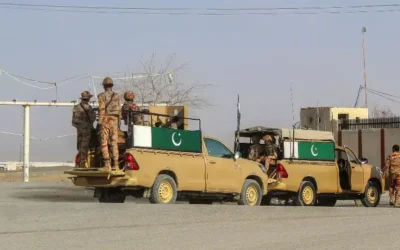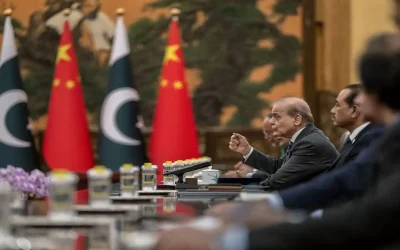
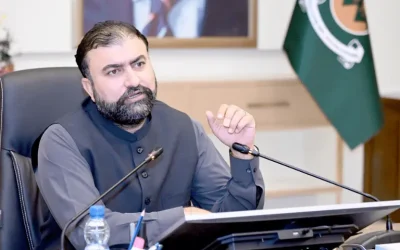
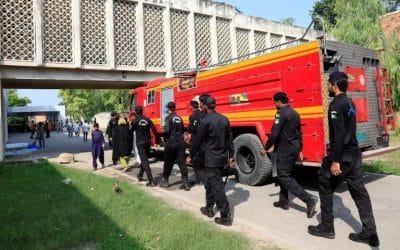


A massive wave of coordinated violence swept through Balochistan in late January and early February 2026, leaving a trail of destruction across Pakistan’s largest province. The Balochistan Liberation Army (BLA) claimed responsibility for the assaults, which they termed “Operation Herof 2.0” (meaning Black Storm in Balochi)—a follow-up to their major offensive in August 2024.
The attacks targeted vital infrastructure, security posts, and administrative buildings in at least 14 locations, including Quetta, Gwadar, Panjgur, and Nushki.
You May Also Like: CTD Unit Activated in Gilgit-Baltistan to Combat Terrorism
Casualties and Military Response
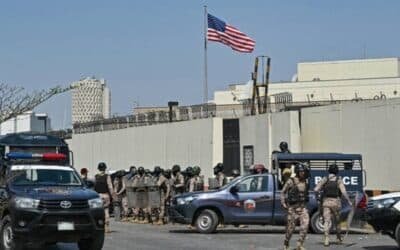
The scale of the violence triggered a massive 40-hour counter-operation by security forces.
| Category | Official Toll (Confirmed by CM Sarfraz Bugti) |
| Civilians Killed | 31 (including 5 women and 3 children) |
| Security Personnel Killed | 17 (Police, Border Police, and Navy) |
| Militants Killed | 145 (during retaliatory gun battles) |
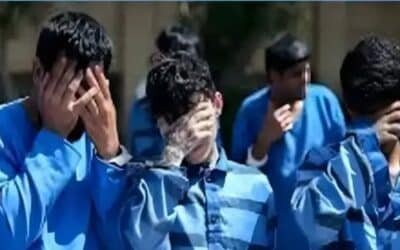
| Suspects Arrested | 100+ (during search operations in Quetta) |
Context: While the BLA claimed to have killed 84 soldiers and taken 18 prisoners, the Pakistan military’s media wing (ISPR) has not verified these numbers. Chief Minister Bugti described the state’s response as the single deadliest blow to Balochi insurgents in decades.
Key Tactics and Targets
According to Junior Interior Minister Talal Chaudhry, the militants utilized highly deceptive and brutal tactics:
- Disguises: Attackers dressed as civilians to enter markets, schools, and hospitals before opening fire.
- Human Shields: Militants reportedly used ordinary shopkeepers and bystanders as human shields during the multi-day standoffs.
- Infrastructural Sabotage: Roads were briefly blocked in urban areas, and explosive materials were defused on railway tracks in Nasirabad.
- Communication Blackout: To hinder militant coordination, the government suspended mobile data and internet services in Quetta, Sibi, and Chaman during the height of the crisis.
Restoration of Order (As of Feb 16, 2026)
By mid-February, the provincial government spokesperson, Shahid Rind, confirmed that the situation had largely returned to normal:
- Highways: All major highways are now open for traffic, with the final repairs to the Nushki road completed.
- Transport: Rail services from Balochistan to the rest of the country were fully restored by February 5.
- Governance: Despite the trauma, local administration resumed the polio vaccination campaign in all districts except Nushki, and school exams proceeded as scheduled.
- International Reaction: The UN Security Council, along with the US, UK, and Saudi Arabia, issued strong condemnations of the “heinous and cowardly” attacks.
The Roots of Insurgency
The BLA continues to justify its violence by accusing the federal government of “exploiting” Balochistan’s vast mineral and gas resources without providing equitable benefits to the local population. This sentiment is further fueled by ongoing grievances over enforced disappearances and the perceived lack of provincial autonomy—claims that Islamabad repeatedly denies as foreign-funded propaganda
Pakistan, here’s what made headlines this week! This week, the United States stood with Pakistan after the January 31 attacks in Balochistan and reaffirmed our shared commitment to countering terrorism. We also strengthened ties in Khyber Pakhtunkhwa by supporting para-athletes,… pic.twitter.com/ij2so7q5I7
— U.S. Embassy Islamabad (@usembislamabad) February 7, 2026
You May Like To Read: