




India has often been labeled the world’s largest democracy, which claims to uphold the values of such a system. It presents its foreign policy as that of regional cooperation and the promotion of peace. From Gandhi’s ideas of peace and non-violence, India sources its nationalist ideology. Yet, the country has a legacy of inciting wars, rebellion, and terrorist and separatist movements in its neighboring states. From Sri Lanka to Pakistan, Bangladesh, and beyond, its top secret Research and Analysis Wing (RAW) has been involved in covert operations to meddle in the affairs of neighboring states as well as harbor and train terrorists for cross-border terrorism.
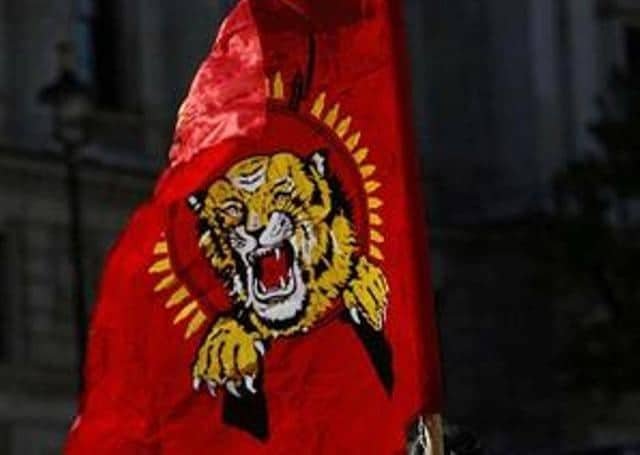
Training and Arming the Tamil Tigers
In the 1980s, tensions were rising between the Sinhalese-majority government and the Tamil minority rebels in Sri Lanka. India saw this as an opportunity to involve itself in the conflict. The RAW provided training grounds as well as finances to train the Tamil rebel factions, as well as the Liberation Tigers of Tamil Eelam (LTTE). Initially an unorganized guerrilla force, the Tamil Tigers soon turned into an organized militant group with its own airborne arm, intelligence, as well as trained suicide bombers. The suicide bombers were some of their most effective arms that carried out attacks against the Sri Lankan Army. The Indian Army established training camps in Tamil Nadu, Karnataka, and Andhra Pradesh, where they were fed, clothed, and trained. RAW also facilitated arms and logistical support to this force. This blatant involvement in promoting terrorism in Sri Lanka eventually blew back on their faces when India tried to intervene in the Sri Lankan crisis directly through the India Peace Keeping Force (IPKF) that was tasked with disarming the Tamil militants. The Tamil Tigers were, by this point, declared terrorists by more than half of the world. They turned on India and killed thousands of its civilians through terrorist activities. The final blow came when they assassinated Rajiv Gandhi in 1991 in Tamil Nadu. RAW officials would later go on record to accept that “ India created a monster it couldn’t control in the LTTE”.

Mukti Bahini, East Pakistan, and Involvement in Bangladesh
It was probably RAW’s covert support for the Mukti Bahini that set the blueprint for their involvement with the Tamil Tigers. Mukti Bahini was a separatist group, composed of nationalist Bengalis who supported Sheikh Mujib Ur Rehman, the leader of the majority in East Pakistan. While Sheikh Mujeeb Ur Rehman strived to reach a middle ground with the Pakistani government amidst rising tensions due to the devastation of a cyclone in 1970, the Mukti Bahini had more radical plans. Initially, it was formed of a student body of Dhaka University who believed in the political process. It was due to incitement by RAW agents, who had infiltrated the Mukti Bahini, that it turned into an armed struggle. Lt Gen J F R Jacob, in his book, ‘Surrender At Dacca’, details how Mukti Bahini was incited and lured in by RAW to turn into a guerrilla force. India provided safe havens across West Bengal and gave military training to the Mukti Bahini, and provided them with weapons.

Source: Scroll.in
They were trained to force the East Pakistan Regiment to fire at them so such incidents could be used to create further divide amongst the West and East Pakistanis. The Mukti Bahini later went against Sheikh Mujeeb Ur Rehman as well and were involved in the merciless killing of West Pakistani men, women, and children.
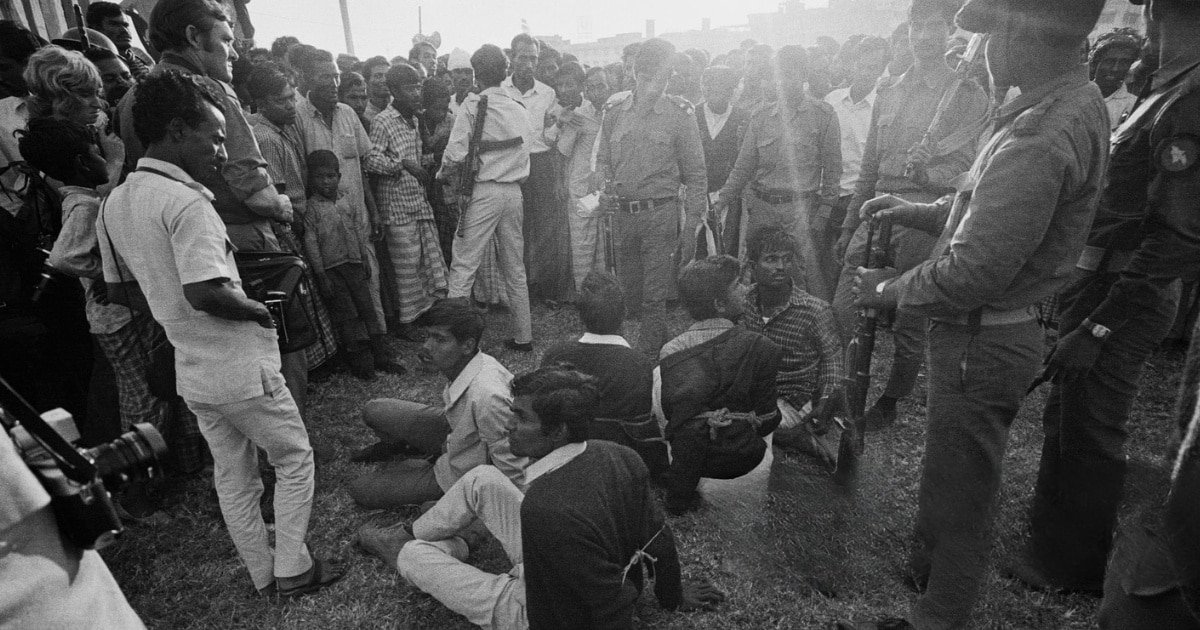
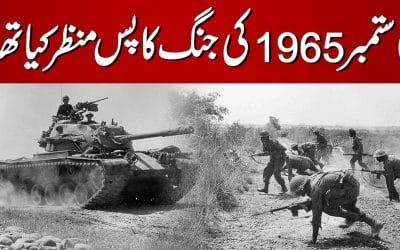
India used Mukti Bahini to soften the ground for them, so when they entered the war in 1971 to claim victory, most of the work had already been done. Even after the creation of Bangladesh, India did not stop meddling in their affairs. In the 1980s, India aided another group, known as the Shanti Bahini, which went on to challenge the authority of the Bangladeshi government in the Chittagong Hill Tract region. Ever since then, India has been harboring Bangladeshi dissidents, and it is widely believed that it also meddles in elections through RAW and media networks.
Balochistan and the BLA
India’s current involvement in cross-border terrorism in Pakistan comes in the form of the Baloch Liberation Army, which is directly funded by the RAW.

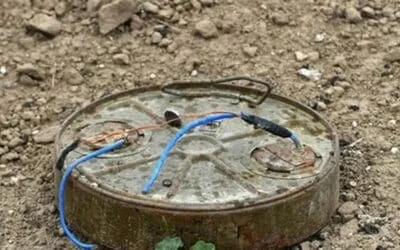
Source: ConflictWatchX
Although the Baloch separationist movements deny this claim, it has been verified time and again, especially in 2016. Kulbhushan Jadhav Singh was an Indian Navy officer and a RAW agent who was arrested by the Pakistan Army in Balochistan. He confessed on record that he had been involved in inciting rebellion and facilitating terrorist attacks on Pakistan army convoys, as well as the Pakistan Coast Guard and the Gwadar port. He also accepted involvement in terrorist attacks in Karachi that were carried out by BLA. India, to this day, denies these charges despite still being involved in Balochistan.
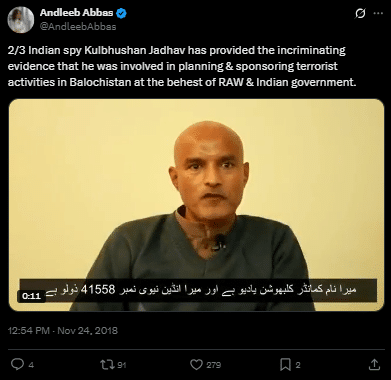
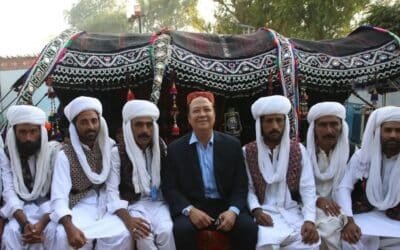
Source: X/@AndleebAbbas
A Pattern of Involvement in Cross-Border Terrorism
Apart from Pakistan, Bangladesh, and Sri Lanka, India has also been interfering in Nepal’s domestic politics by supporting Madhesi groups against the Nepalese government. Bhutan has been forced to allow an Indian military presence on its soil to fight off Assamese rebels. However, India, due to its upper hand in the situation, exploits it for personal gain. In 1988, India intervened militarily through Operation Cactus in the Maldives to prevent a coup by a Tamil mercenary group. The operation was cloaked by Indian media in narratives of regional stability; however, most observers have noted it as a continued pattern of Indian interventionism. Although India claims to be a regional leader and promoter of peace, its well-documented cases of involvement in the internal affairs of other countries seem to suggest otherwise.