
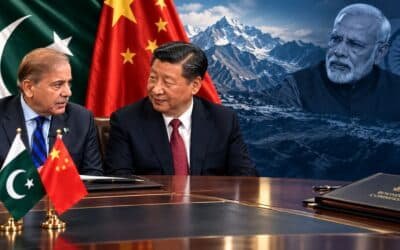


Iranian Foreign Minister Abbas Araghchi’s decision to address Pakistan in its national language is a significant diplomatic gesture. It highlights the success of Pakistan’s “Tightrope Walk” between Washington, Riyadh, and Tehran during the most volatile period in Middle Eastern history since 1979.
ان بابرکت، الٰہی اور روحانی دنوں اور گھڑیوں میں،
میں حکومت اور عوامِ پاکستان کا تہہِ دل سے شکریہ ادا کرتا ہوں کہ انہوں نے امریکہ اور صہیونی رجیم کی جارحیت کے مقابلے میں عوام اور حکومتِ اسلامی جمہوریہ ایران کے ساتھ اپنی یکجہتی اور حمایت کا بھرپور اظہار کیا۔— Seyed Abbas Araghchi (@araghchi) March 16, 2026
The Urdu Message: A Diplomatic Milestone
In his statement posted on X (formerly Twitter), Araghchi noted that Pakistan has demonstrated “practical support” during Iran’s most difficult times.
- Solidarity Against Aggression: He specifically thanked Pakistan for its stance against what he termed “American and Zionist aggression,” referring to the massive strikes on Iranian nuclear and military infrastructure on February 28.
- Recognition of Neutrality: Despite Pakistan’s close ties with the US, Araghchi acknowledged that Islamabad has refused to join the blockade or host offensive assets for strikes on Iran.
Pakistan’s “Bridge-Builder” Diplomacy
Pakistan’s Foreign Office has officially adopted the title of “Bridge Builder” to describe its role in 2026.
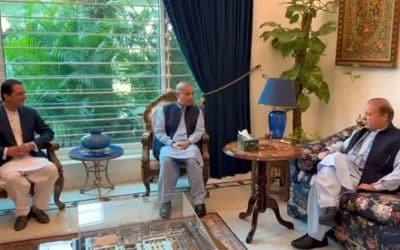
- The Saudi Balancing Act: Just days ago, PM Shehbaz Sharif and Field Marshal Asim Munir visited Jeddah to reaffirm solidarity with Saudi Arabia. However, the message from Islamabad remains that while it will defend Saudi territory, it will not participate in an offensive against a “brotherly Muslim neighbor” like Iran.
- UNSC Maneuvering: In a rare move, Pakistan supported two competing resolutions at the UN: one by Bahrain criticizing Iranian drone attacks on the Gulf, and another by Russia calling for an immediate halt to US-Israeli military activities.
- The “Post Office” Channel: Analysts suggest Pakistan is now acting as a secure “post office” between Tehran and the Gulf capitals, helping pass messages to prevent accidental escalations in the Strait of Hormuz.
Regional Stakes: Remittances and Energy
The reason for Pakistan’s desperate push for peace is primarily economic:
- The $14 Billion Risk: As experts like Hafiz Pasha warned, a full-scale war could cost Pakistan 1.5% of its GDP through oil shocks and the loss of $2bn–$4bn in remittances from the Middle East.
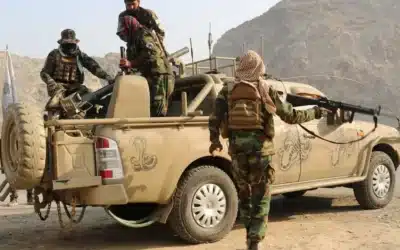
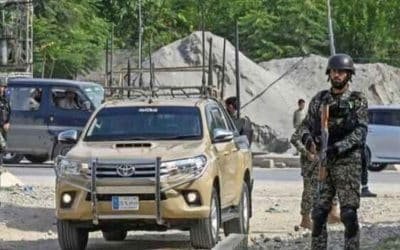
- Border Security: With Operation Ghadb-ul-Haq ongoing on the Afghan border, Pakistan cannot afford a second active front on its 900-km western border with Iran.
You May Like To Read: Rs4m Theft at MoFA Officials’ Residence Sparks Corruption Concerns
Check out our latest video: