



UNITED NATIONS — November 15, 2025
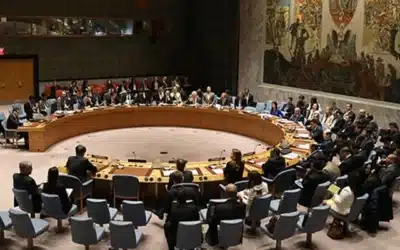
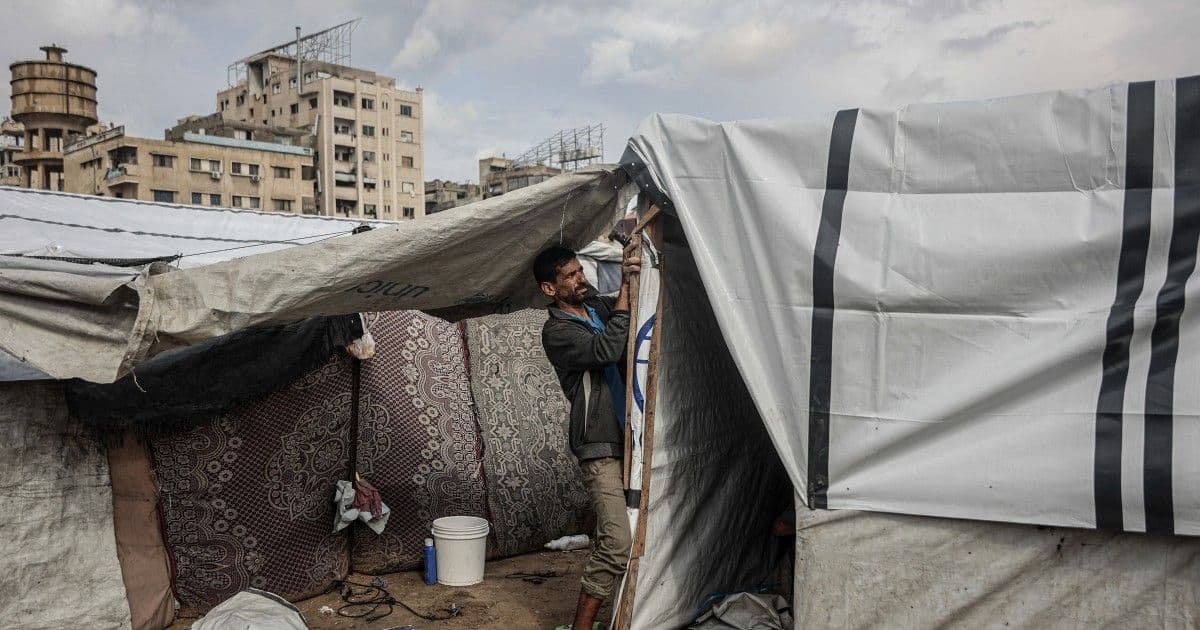
Pakistan joined several key Muslim and Arab nations on Friday in supporting a United States–drafted UN Security Council (UNSC) resolution aimed at deploying an International Stabilisation Force (ISF) in Gaza as part of a broader political framework to end the conflict.
In a rare show of coordinated diplomacy, Pakistan, Qatar, Egypt, the UAE, Saudi Arabia, Indonesia, Jordan, Turkiye and the United States issued a joint statement at the UN Headquarters endorsing the resolution, which builds on the Comprehensive Plan to End the Gaza Conflict, unveiled on Sept 29 and later backed by more than 20 countries at Sharm Al Sheikh.
Pathway Toward Palestinian Statehood
The joint statement emphasised that the resolution supports a peace process that offers a “pathway to Palestinian self-determination and statehood.”
The governments stressed that the plan is a “sincere effort” to bring long-term stability for both Palestinians and Israelis, while reshaping regional security.
“The Plan provides a viable path towards peace and stability, not only between Israelis and Palestinians, but for the entire region,” the endorsers noted, while urging the UNSC to adopt the resolution swiftly.
US Pushes for Immediate Action
The United States earlier pressed the Security Council to formally endorse its draft, warning that the current ceasefire in Gaza remains fragile and susceptible to collapse without a coordinated international mechanism.
According to the US mission, Washington began drafting the resolution in mid-October with the input of key regional mediators — Qatar, Egypt, Saudi Arabia, Turkiye, and the UAE. Negotiations with Security Council members have been ongoing since early November.
The resolution is intended to operationalise President Donald Trump’s “historic 20-point peace plan”, unveiled at Sharm Al Sheikh on Oct 13, 2025. The proposal has already been backed by over 20 countries.
Russia Counters with Rival Draft
The diplomatic momentum hit an obstacle as Russia introduced its own competing resolution, directly challenging the US version. With the Security Council’s five permanent members — the US, Russia, China, Britain, and France — holding veto power, the competing drafts set the stage for tense negotiations.
The US warned that Russian attempts to derail the process could have “grave and avoidable consequences for Palestinians in Gaza.”
Two-Year Transitional Governance Mandate
If adopted, the US-backed resolution would:
-
Establish a two-year transitional governance body in Gaza — the “Board of Peace” — chaired by President Trump.
-
Authorise the creation of a 20,000-strong International Stabilisation Force (ISF) composed of multinational troops (excluding US forces).
-
Task the ISF with:
-
Disarming non-state groups,
-
Protecting civilians, and
-
Securing humanitarian corridors.
-
The ISF would operate until the end of 2027, with the mandate focused on stabilisation, reconstruction oversight, and facilitating a political transition.
You May Also Like: Pakistan Backs Arab Group at UN, Seeks Clear Mandate and Political Roadmap in US Gaza Mission Proposal
US Troops Not Included
President Trump has explicitly ruled out sending American soldiers to Gaza, stating that the force would comprise regional and international partners willing to contribute to stabilisation efforts.
Joint Statement on UN Security Council Resolution on #Gaza#QNA #Qatar #Palestine https://t.co/FLlGoMZWS4 pic.twitter.com/QuVHhgGjiI
— Qatar News Agency (@QNAEnglish) November 14, 2025
A Potential Turning Point — If Consensus Is Reached
The US mission urged the Security Council to “seize this historic moment”, arguing that the draft provides the best chance for ending cycles of violence, neutralising armed groups, and setting Gaza on a path toward governance reform and reconstruction.
Pakistan’s endorsement signals Islamabad’s alignment with a broader regional bloc seeking a diplomatic resolution that ensures Palestinian political rights while preventing the resurgence of armed conflict.
The coming days will determine whether the UNSC can bridge differences — or whether rival geopolitical agendas will stall what Washington and its allies describe as a rare, unified opportunity for Middle East peace.
Check out our latest video: