




The 20-day-old conflict has entered a “Total Energy War” phase. As of Thursday, March 19, 2026, the skies over the Middle East are largely closed to commercial traffic, with Israel’s Ministry of Transportation further tightening passenger quotas on the few remaining repatriation flights due to the safety risks at Ben Gurion.
The Airport Strike: Shrapnel & Fire
While Israel’s “Iron Dome” and “Arrow” systems intercepted the bulk of the Iranian barrage, the sheer volume of falling debris caused significant ground damage:
- The Hangar Fire: Images released by the Israel Airports Authority show the charred interior of a small private jet that ignited after being struck by a large piece of an intercepted ballistic missile.
- Flight Suspensions: Flag carrier El Al has cancelled all regularly scheduled flights to 28 international destinations (including London, Boston, and Berlin) through at least March 27.
- New Safety Protocols: Outbound long-haul flights are now restricted to just 130 passengers per wide-body aircraft (down from 270) to ensure rapid emergency boarding and weight-limit safety during potential alerts.
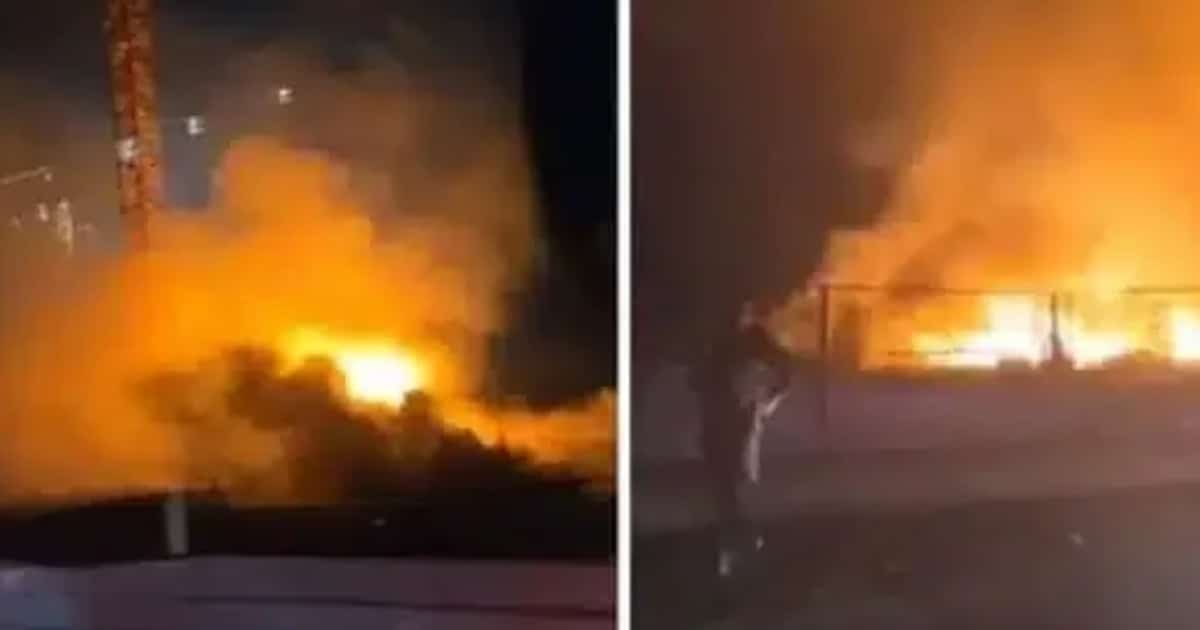
BREAKING:
A fire has broken out near Ben Gurion Airport following an Iranian missile strike and is still burning. pic.twitter.com/KHeTsbnVFJ
— Current Report (@Currentreport1) March 18, 2026
The “South Pars” Escalation
The intensification of Iranian missile fire is a direct response to a “red line” crossed by Israel and the U.S. on March 18:
- South Pars Strike: In the first direct attack on Iran’s core energy infrastructure, Israeli jets bombed the South Pars gas production facility. This field accounts for 70% of Iran’s domestic gas supply.
- Regional Fallout: Because South Pars is shared with Qatar, the strike also caused “extensive damage” to Qatar’s Ras Laffan gas hub. Qatar has officially condemned the strike as a “dangerous and irresponsible” act that threatens global energy security.
- Oil Prices: Following these strikes, Brent crude has surged past $112 per barrel, the highest since the war began on February 28.
Leadership Decapitation: Three Ministers in 24 Hours
Israel is utilizing its “License to Kill” directive to dismantle the Iranian cabinet:
- Esmail Khatib (Intelligence Minister): Confirmed killed in an overnight strike on March 18.
- Ali Larijani (Security Chief): Assassinated on March 17.
- Gholam Reza Soleimani (Basij Chief): Assassinated on March 17.
The “Regional Spigot” Threat
Iran has warned that if its energy sites continue to be targeted, it will strike major oil installations in Saudi Arabia and the UAE. Already, drone activity has forced a temporary shutdown of the Shah gas field in Abu Dhabi.
The U.S. remains under pressure to provide more minesweepers to the Strait of Hormuz, but President Trump continues to complain that allies like Japan (95% oil dependent) are not doing enough to help.
You May Like To Read: A Strategic and Intellectual Void in Tehran, The Martyrdom of Ali Larijani
Check out our latest video: