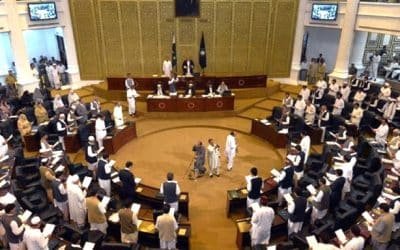



The bill amends Section 138 of the Elections Act 2017. Currently, lawmakers must submit annual asset declarations (including for spouses and dependent children) to the Election Commission of Pakistan (ECP) by December 31, with the ECP publishing them in the official gazette. The new proviso empowers the NA Speaker or Senate Chairman to approve non-publication — after a written application and recorded reasons — for a renewable one-year period, while full details remain confidential with the ECP.
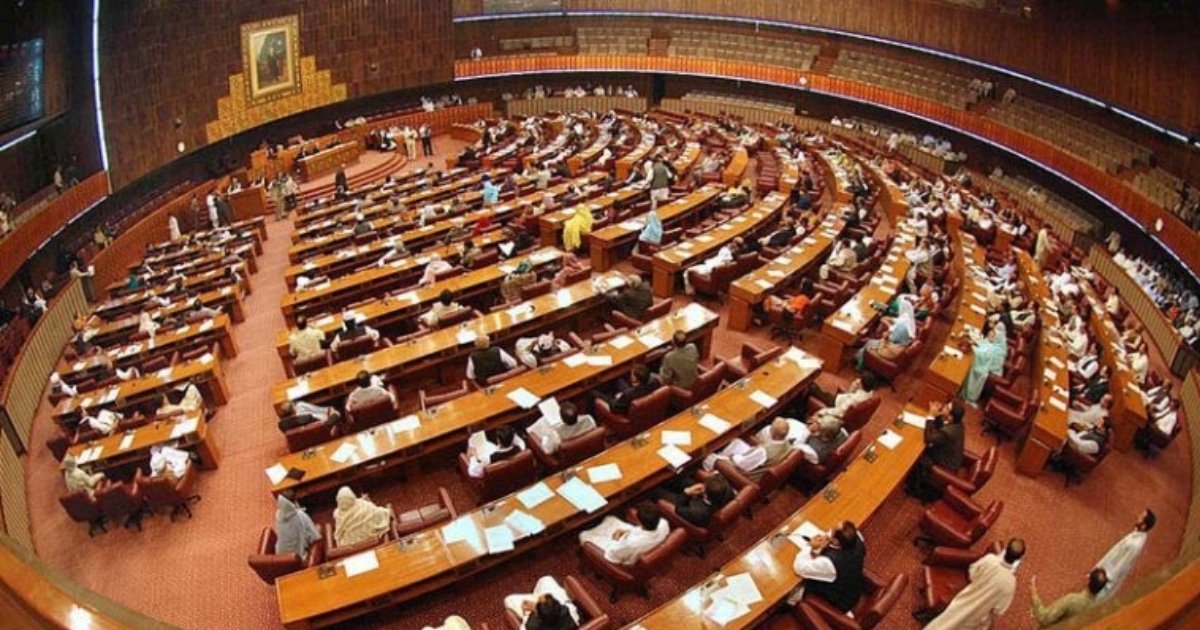
Pakistan’s National Assembly has passed a new election amendment allowing MPs to withhold public disclosure of their assets for up to one year if publication poses a security risk to them or their families. The bill was presented by PPP MNA Shazia Marri.@NuktaPakistan pic.twitter.com/whF9VW5xyw
— Ali Hamza (@alihamzaisb) January 21, 2026
Key Highlights
- Bill passed by majority vote in NA on January 22, 2026; still needs Senate approval and presidential assent to become law.
- Exemption only for credible “serious threat” to life/safety of member or family; not automatic or permanent.
- Moved by PPP MNA Shazia Marri; introduced last year but faced earlier opposition.
- PTI strongly opposed; only party to vote against it this time.
- PML-N supported passage (despite past reservations in committee stage).
- No major civil society statements reported in immediate aftermath, but transparency advocates have historically criticized similar moves as reducing public oversight.
PTI’s Strong Opposition
PTI MNA Asad Qaiser condemned the bill the next day (Thursday), declaring that parliamentarians are not above ordinary citizens and demanding its withdrawal. PTI dissociated itself entirely, arguing that it erodes trust and accountability.
Shameful law passed by the national assembly yesterday allowing mna’s to hide their assets from the public because of so called security threat. Your job is to provide security to all citizens not hide behind secrecy yourself.
— Asad Umar (@Asad_Umar) January 22, 2026
Barrister Gohar Ali Khan (PTI Chairman) called it a “direct assault” on transparency and the public’s right to know, warning it shields the ruling class under vague security pretexts. The party stressed genuine threats should be addressed through protection measures, not secrecy over wealth.
Government and Supporters’ View
Proponents, including PPP lawmakers who tabled it, framed the change as a balanced safeguard for MPs facing real risks in a challenging security environment. They emphasized that full declarations still go to the ECP confidentially, and exemptions are time-limited and justified in writing. No widespread PML-N opposition emerged during final passage, suggesting coalition alignment.
Broader Reactions and Context
While immediate civil society responses were limited in reports, past discussions on similar transparency issues have drawn criticism from groups like the Human Rights Commission of Pakistan and media watchdogs, who argue that reduced public access to officials’ finances could fuel perceptions of corruption and weaken democratic oversight. The bill comes amid ongoing debates on governance, accountability, and security for public figures in Pakistan.
The legislation now heads to the Senate for consideration. If approved and assented to by the President, it could mark a shift in how lawmakers’ financial disclosures are handled — balancing privacy for safety with the longstanding principle of open governance that keeps citizens informed about those they elect. Transparency remains key to public trust, and any changes must ensure they don’t compromise that foundation.