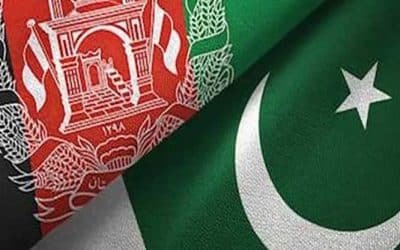





On Monday, February 23, 2026, the Pakistani government and provincial leadership reinforced a hardline stance following the Sunday dawn airstrikes in Afghanistan. Both Parliamentary Secretary for Information Barrister Danyal Chaudhry and KP Governor Faisal Karim Kundi framed the operation as a necessary and “proportionate” defense of sovereignty.
Key Policy Statements
The federal government’s messaging today focused on three core pillars: Retribution, Accountability, and External Influence.
- The Red Line: Barrister Danyal Chaudhry emphasized that while Pakistan prefers dialogue, the use of Afghan soil for proxy attacks has forced a shift to military “retribution.” He stated unequivocally: “National security is non-negotiable.”
- The “21 Groups” Threat: Citing recent United Nations reports, Chaudhry highlighted that 21 different terrorist outfits are currently operating with “operational freedom” inside Afghanistan, posing a threat not just to Pakistan but to the entire region.
- The “India” Factor: The Parliamentary Secretary specifically accused India of actively funding and training these networks to carry out cross-border attacks, asserting that such “elements deserve no concessions.”
The citizens of Pakistan, especially the resilient people of Khyber Pakhtunkhwa, stand firmly with our Armed Forces and security institutions in the defense of our homeland. We will not allow our soil to be destabilized by forces operating from across the border in #Afghanistan.… https://t.co/RA6cmDPPvJ
— Faisal Karim Kundi (@fkkundi) February 23, 2026
KP Governor: A “Decisive Struggle”
Khyber Pakhtunkhwa Governor Faisal Karim Kundi, representing the province most affected by the recent terror wave, underscored the unity between the public and the military:
- Public Resolve: Kundi stated that the people of KP “stand shoulder to shoulder” with the armed forces.
- Sovereignty: He echoed the federal sentiment, declaring that Pakistan will no longer allow its soil to be destabilized by forces operating from across the border.
Operational Update: Precision & Proof
Government officials provided further context on the Feb 22 strikes that killed 80+ terrorists:
- Selective Targeting: Officials insist every precaution was taken to protect innocent lives, dismissing the Taliban’s claims of civilian casualties as “malicious narratives” to hide sanctuaries.
- Evidence-Based: The strikes were launched only after “conclusive evidence” linked the recent Islamabad, Bajaur, and Bannu bombings to handlers based in the specific camps destroyed in Nangarhar, Paktika, and Khost.
- Doha Breach: Islamabad has formally communicated to international observers that the Afghan Taliban are in direct violation of the Doha Agreement, which forbids the use of Afghan soil against other nations.
Current Regional Pulse
The situation remains tense as both nations move assets along the border:
- Kabul: Has summoned the Pakistani envoy and threatened a “measured response.”
- Islamabad: Has put the Pakistan Air Force (PAF) and Frontier Corps (FC) on high alert to counter any retaliatory shelling from the Afghan side.
You May Also Like: Pakistan Strikes Terror Camps in Afghanistan, Operation Retribution
Check out our latest video: