




History isn’t just a record of the past; it’s a living guide, full of lessons and inspiration. The story of Operation Dwarka during the 1965 Indo-Pak War is a perfect example. It’s a tale of a small, young navy that stared down a much larger foe and delivered a knockout punch. It proved that courage and clever planning can beat a bigger arsenal.
A Young Navy Finds Its Footing
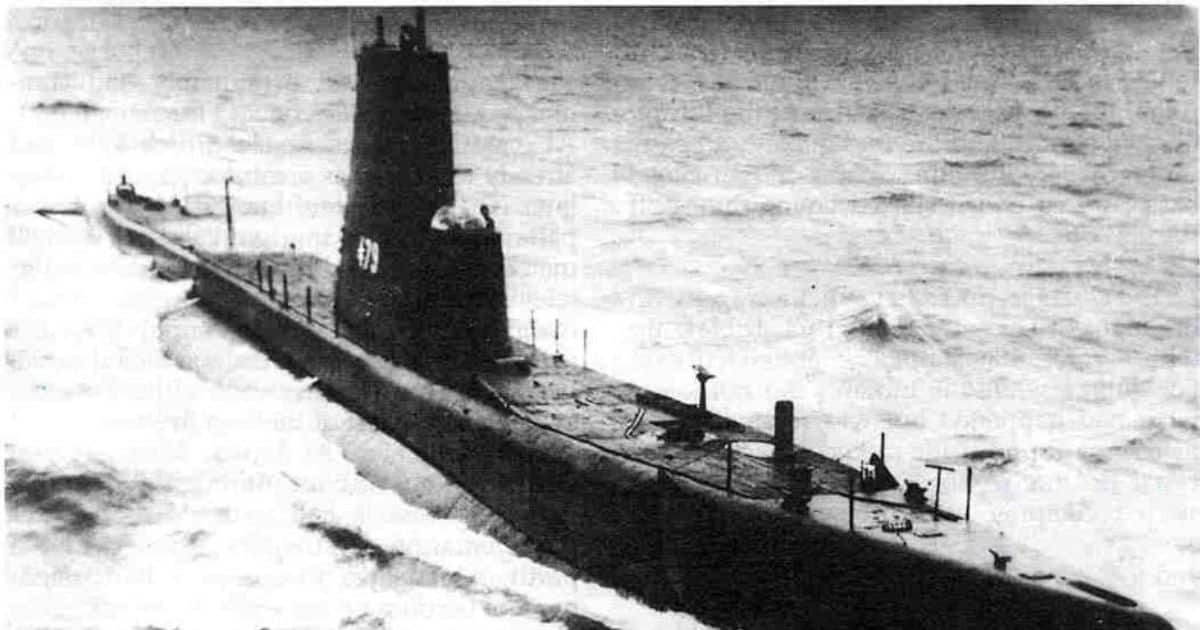
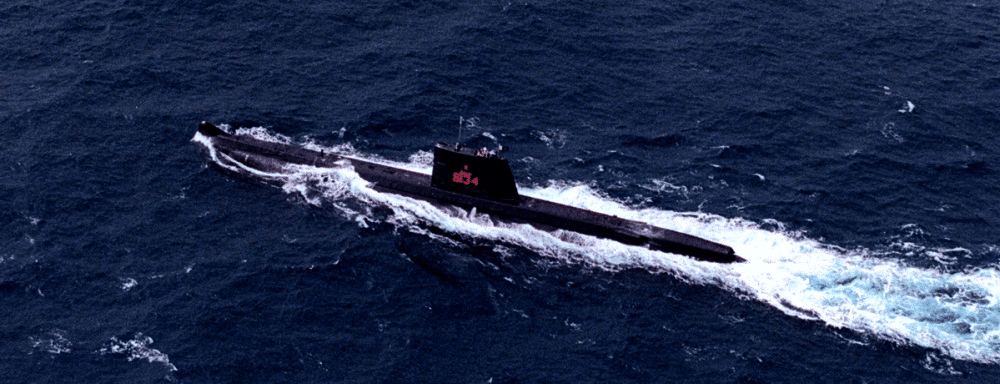
When Pakistan was born in 1947, its navy was small. It got a few old warships and a handful of sailors and officers. They had to make do with what they had. But things started to change in 1964 when Pakistan got its first submarine, the PNS Ghazi. This was a big deal. It was a new kind of power for their fleet, a silent hunter that could change the game.
Source: NTI
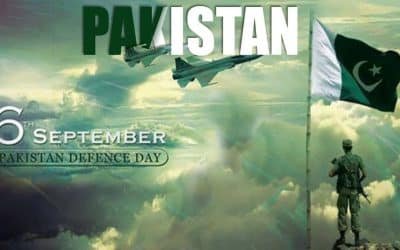
The war with India in September 1965 was hot on land and in the air. The Pakistani military was fighting hard on many fronts. The navy’s job was to protect the coastline and important shipping lanes. They couldn’t just sit back and watch. They needed to do something bold.
Planning the Mission
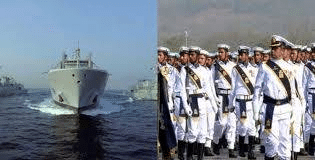
The plan was called Operation Dwarka. It was a swift, surprise attack on the Indian town of Dwarka. The goal wasn’t just to blow things up; it was a smart, strategic move. A group of seven destroyers and one cruiser, a small but determined force, sailed toward the Indian coast. They kept complete radio silence. This meant the enemy wouldn’t know they were coming.
Source: The Nation
They had a few key goals for the mission. First, they aimed to disable a powerful Indian radar station in Dwarka. This radar was a big threat because it was believed to be guiding Indian bombers to attack Karachi, a major Pakistani city. Second, they wanted to trick the Indian Navy. They hoped the attack would make the Indian fleet rush out of their port in Bombay and right into the path of the waiting PNS Ghazi. Third, they aimed to break the enemy’s spirit. A sudden, unexpected attack like this could really hurt morale. Finally, they wanted to pull the Indian Air Force’s attention south, away from the fierce battles happening in the north.
You May Like To Read: Air Force Modernization: From Mirages to 5th Gen Fighters
The Attack: Precision Under Pressure
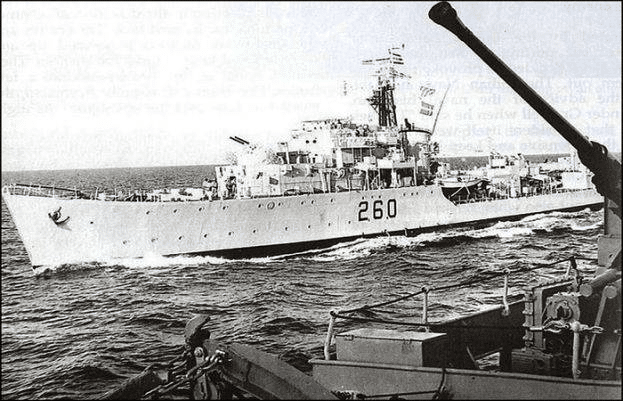
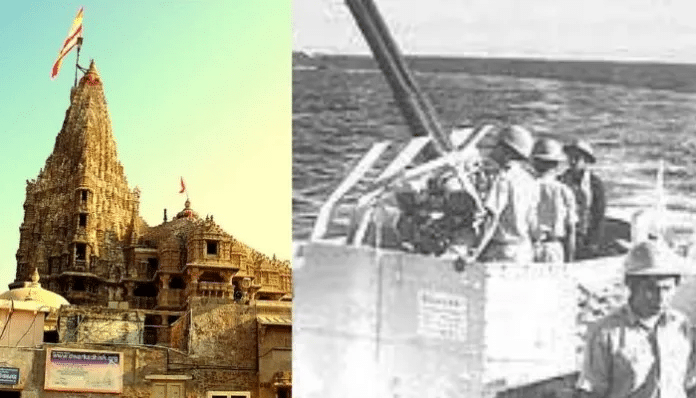
The mission went off perfectly. Just after midnight, the Pakistani ships lined up and opened fire. They fired 350 shells in just four minutes. It was a storm of steel. The explosions must have been deafening. They hit their targets and did their job. By 2:24 a.m., it was all over. The ships turned around and sped away, slipping back into the night. They didn’t lose a single ship or a single sailor. The mission was a total success.
Source: Naya Daur
A Morale-Breaking Blow
After the attack, something interesting happened. The Indian Navy didn’t try to strike back by sea. Experts believe this was because they were terrified of the PNS Ghazi. The submarine’s presence, though unseen, was a huge threat. The Indian ships stayed in their ports, too scared to come out. The silent danger of the submarine was more powerful than a loud attack. The surprise strike on Dwarka also badly damaged India’s confidence. They realised Pakistan’s navy was more capable and daring than they thought.
A Symbol of Strength
Operation Dwarka wasn’t just a single event; it was a powerful statement. It was the first time Pakistan’s navy had launched a formal strike. It was a test of their teamwork and their courage. Despite having a small and ageing fleet, they showed they could handle a complex mission with skill and precision. The success of the operation made the Pakistan Navy a respected force. It boosted their pride and gave them a new sense of purpose.
Source: Google
A Legacy of Pride
Every year on September 8th, Pakistan celebrates Navy Day. It’s a special day to remember Operation Dwarka and the brave sailors who took part. Leaders and naval commanders talk about the mission’s importance. They call it a “golden chapter“ in Pakistan’s naval history. It’s a story that inspires new generations to be courageous and dedicated to their duty.
A New Era of Maritime Security
Operation Dwarka had a big impact beyond just the war. It shocked India and made it realise it needed a stronger navy. This led them to invest more money in modern ships and powerful missiles. This changed the balance of power in the region and led to a new era of naval competition in South Asia.
Today, Pakistan’s Navy is a modern, professional force. It does more than just defend its own coast. It plays a big role in international efforts to keep the seas safe. For example, it leads multinational groups like Combined Task Force 150, which fights piracy and other threats on the high seas. This shows how the lessons learned from history still guide its actions today.
The Navy’s work today is rooted in a proud history. Its confidence, forged in the fires of Operation Dwarka, continues to serve the nation with honour and vigilance. It reminds everyone that determination can overcome any obstacle. Operation Dwarka was more than just a military mission; it was a lesson in leadership, courage, and the power of a single, decisive action.
You May Like To Read: Role of Women in the 1965 War