

As the US-Israel-Iran war enters its third week, Pakistan’s economic experts have issued a stark warning: the “oil shock” is no longer just a pricing issue at the pump; it is a fundamental threat to national stability. With the Strait of Hormuz blocked and global shipping premiums soaring, the country’s fragile recovery is being dismantled in real-time.
The Transmission of the Crisis
The impact of $100+ oil travels through the Pakistani economy in three distinct waves:
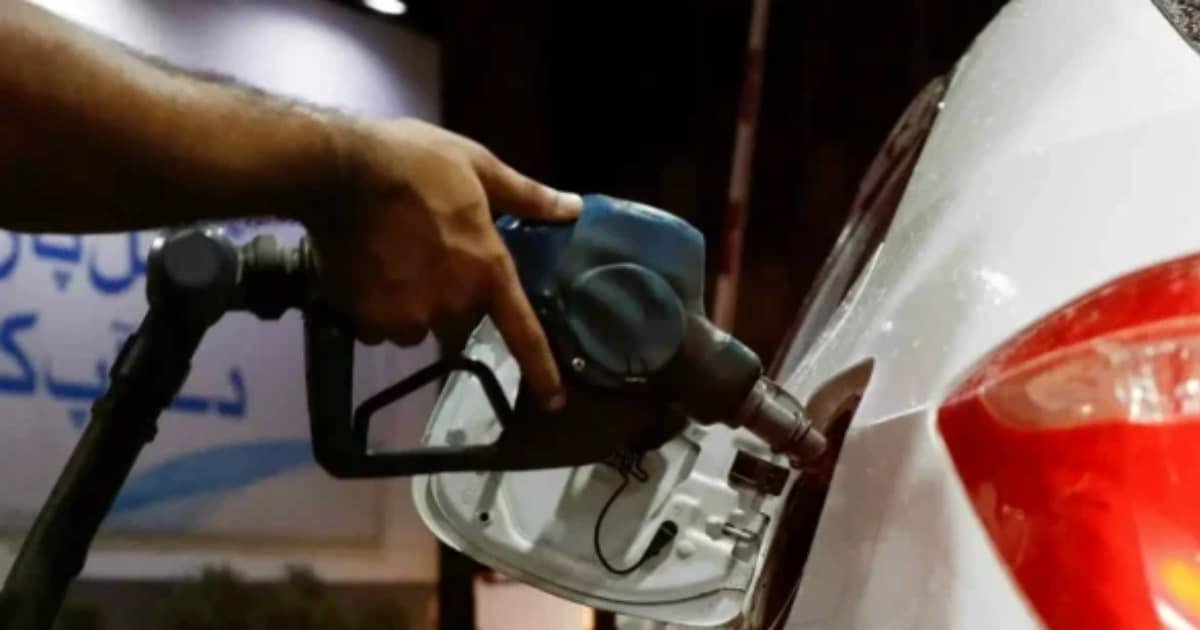
- Direct Inflation: Petrol and electricity prices surge immediately (seen in the recent Rs 55/liter hike).
- Transport & Logistics: High diesel costs push up the price of everything from vegetables in Faisalabad to textiles in Karachi.
- Remittance Collapse: As Gulf economies contract or shift priorities to defense, the demand for Pakistani labor drops, drying up the foreign exchange that keeps the Rupee stable.
Sector-Specific Vulnerabilities
| Sector | Impact Level | Primary Concern |
| Transport | Critical | Accounts for 10% of GDP; high fuel costs are causing a sharp contraction in movement. |
| Industry | High | Fertilizers and cement units are stalling due to Qatar’s force majeure on LNG. |
| Agriculture | High | Fertilizer shortages and high tube-well costs are threatening the next crop cycle. |
| Aviation | Severe | 25+ daily flight cancellations to the Middle East are costing the sector Rs 20bn monthly. |
In global economics, energy pricing is the ultimate stress test of a nation’s strategic autonomy.
We audited petrol price fluctuations across the G20 over a 42-day window (Feb 1 – March 14, 2026). The data reveals a brutal inflationary wave crashing into the developed world,… pic.twitter.com/DdUBqZnaxq
— The Matrix (@indian_matrix) March 14, 2026
The “Silver Lining”: Forced Energy Independence
Former SBP Governor Ishrat Hussain argues that this crisis might be the “bitter medicine” needed for long-term security.
- Indigenous Power: The collapse of the imported LNG chain is forcing Pakistan to reactivate domestic Sui gas and prioritize wind, solar, and local Thar coal.
- Daily Adjustments: To prevent the “Austerity Weekend” hoarding, Hussain suggests daily price updates so consumers get real-time signals and dealers can’t speculate on 15-day cycles.
The IMF and “Austerity Theatre”
Economist Kaiser Bengali has criticized the current government’s response as “austerity theatre.”
- The “Myth” of WFH: He argues that work-from-home mandates only help the urban elite. For the middle class in cities like Faisalabad, where 5G is new but electricity is intermittent and laptops are scarce, these measures disrupt lives without saving significant fuel.
- IMF Leverage: The IMF is likely to use this vulnerability to demand even steeper tax hikes and deeper concessions in exchange for the next $1bn tranche.
You May Like To Read: Gold and Silver Prices Plunge in Pakistan Amid Global Market Reset
The Saudi Defense Factor
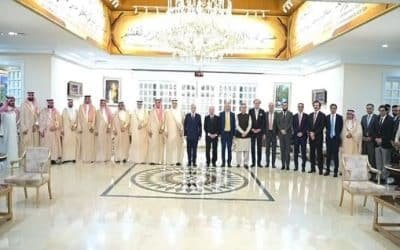
Perhaps the most chilling prediction is the risk of military entanglement. Pakistan’s Strategic Mutual Defence Agreement (SMDA) with Saudi Arabia means that if the Kingdom is directly attacked, Pakistan may be legally and financially obligated to enter the war.
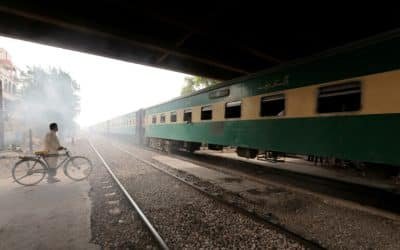
“We are moving from a domestic economic crisis to a potential regional military catastrophe. Real change requires political will—like shifting freight from road to rail—not just selling off official cars.” — Kaiser Bengali.
Check out our latest video: