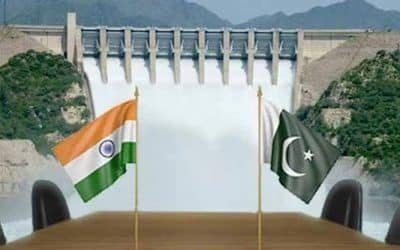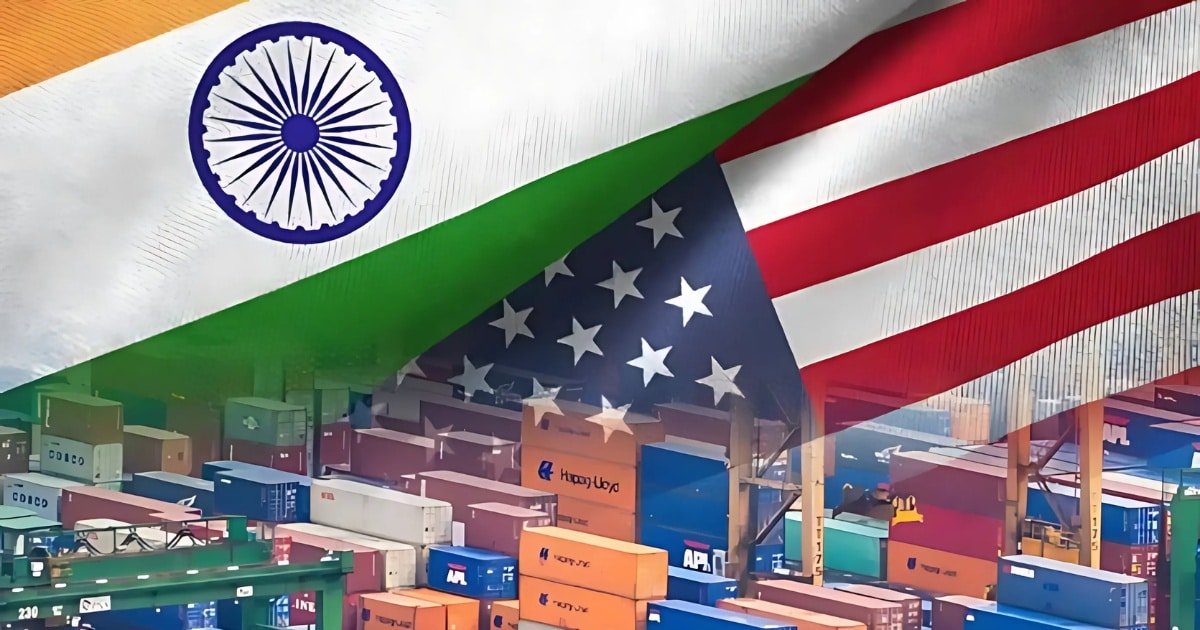



In a bold move that could reshape South Asian trade dynamics, the United States has officially imposed a 25% tariff on Indian imports, effective August 7. Announced by President Donald Trump on July 30, the decision reflects Washington’s hardening stance against New Delhi’s trade practices and deepening ties with Russia.
This development, part of the U.S. “reciprocal tariff” framework, comes amid claims that India maintains some of the world’s highest tariffs and deploys aggressive non-monetary trade barriers against American goods. More significantly, the U.S. has taken issue with India’s continued energy and defense trade with Russia, a move Washington views as undermining international efforts against Moscow’s aggression in Ukraine.
Pakistan Eyes Strategic Gains
While India scrambles to assess the economic fallout, Pakistan stands to gain. As Indian exports face sweeping tariffs—with no product exemptions even for critical sectors like electronics, pharmaceuticals, and petroleum—Pakistan’s exporters could seize the moment to fill supply gaps in the American market.
Analysts in Islamabad believe that Pakistan’s textile, pharmaceutical, and IT sectors could benefit from India’s waning competitiveness. “This is an opportunity to expand Pakistan’s footprint in U.S. trade,” said a senior official from the Ministry of Commerce.
Meanwhile, India’s economic experts are warning of serious damage, with projected GDP losses of up to 40 basis points, and looming threats to jobs in its textile, gem, electronics, and refinery sectors.
With Washington tightening its grip on Indian exports, Pakistan’s stable trade ties with the U.S. may well emerge stronger—if capitalized smartly.