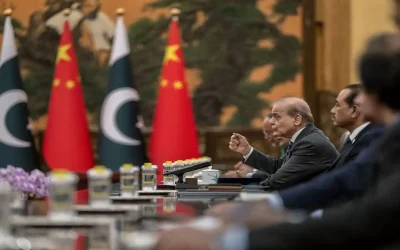



ISLAMABAD— Prime Minister Shehbaz Sharif on Thursday warned that a resurgence of geopolitical tensions in the Middle East following recent mutual military strikes between the United States and Iran poses a direct risk to Pakistan’s fragile economic recovery.
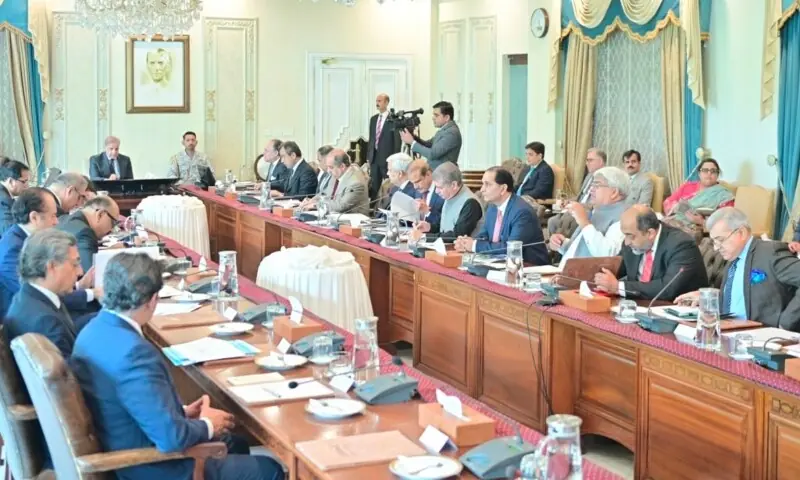
Presiding over a high-level consultative session in Islamabad, the prime minister assessed the domestic fallout of the evolving crisis and reviewed reports on the government’s ongoing national austerity and energy conservation programs.
اسلام آباد: 16 جولائی 2026.
وزیرِ اعظم محمد شہباز شریف کی زیرِ صدارت خطے میں کشیدگی کے ملکی معیشت پر اثرات کا جائزہ اجلاس منعقد ہوا جس میں سادگی و کفایت شعاری کے اقدامات پر رپورٹ پیش کی گئی. وزیرِ اعظم نے اجلاس میں ہدایت کی کہ خطے کی صورتحال میں غیر یقینی برقرار ہے، ہر ممکنہ… pic.twitter.com/GTdp6LMW0X
— Prime Minister’s Office (@PakPMO) July 16, 2026
Focus on Contingency Planning and Energy Security
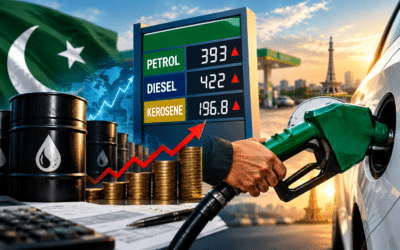
With the strategic Strait of Hormuz effectively closed, driving global oil prices to a four-week high, the prime minister directed relevant ministries to prepare a comprehensive contingency plan to preempt sudden resource shocks.
Cabinet officials briefed the meeting on the country’s strategic energy reserves, affirming that existing petroleum stock levels are sufficient to fulfill national requirements for the immediate term. To mitigate further domestic inflation, the premier outlined a strict policy directive:
- Preventing Market Manipulation: Directing provincial administrations to crack down immediately on hoarding and prevent the creation of artificial petroleum shortages.
- Targeted Relief Measures: Ensuring that targeted government subsidies remain fully active to insulate vulnerable transport segments—including motorcycle riders, rickshaw drivers, and public transport operators—from high fuel import prices.
- Conservation Initiatives:Commending the public’s active role in the national fuel and energy conservation campaign, which has lowered overall consumption during volatile periods.
“While Pakistan’s current economic indicators remain stable, the escalating geopolitical friction in our neighborhood has the potential to trigger fresh macroeconomic headwinds. We must remain proactive, prepared, and fully alert to safeguard our national interests.” — Prime Minister Shehbaz Sharif
Shehbaz directs authorities to prepare response plan, ensure fuel supplies, enforce austerity measures
Read more: https://t.co/5F3TxrG8rB#SamaaTV #ShehbazSharif #MiddleEast #fuelsupply #EnergySecurity #petrolprices pic.twitter.com/VVsZzsEsVT
— SAMAA TV (@SAMAATV) July 16, 2026
Senior Leadership Attendance
The crucial briefing was attended by key federal ministers, financial advisors, and central bank leadership who are tasked with maintaining monetary stability amid the regional crisis.
Among the key attendees formulating the economic response were:
- Muhammad Aurangzeb (Federal Minister for Finance)
- Ahsan Iqbal (Federal Minister for Planning and Development)
- Ali Pervaiz Malik (Federal Minister)
- Awais Khan Leghari (Federal Minister for Power)
- Jameel Ahmad (Governor of the State Bank of Pakistan)