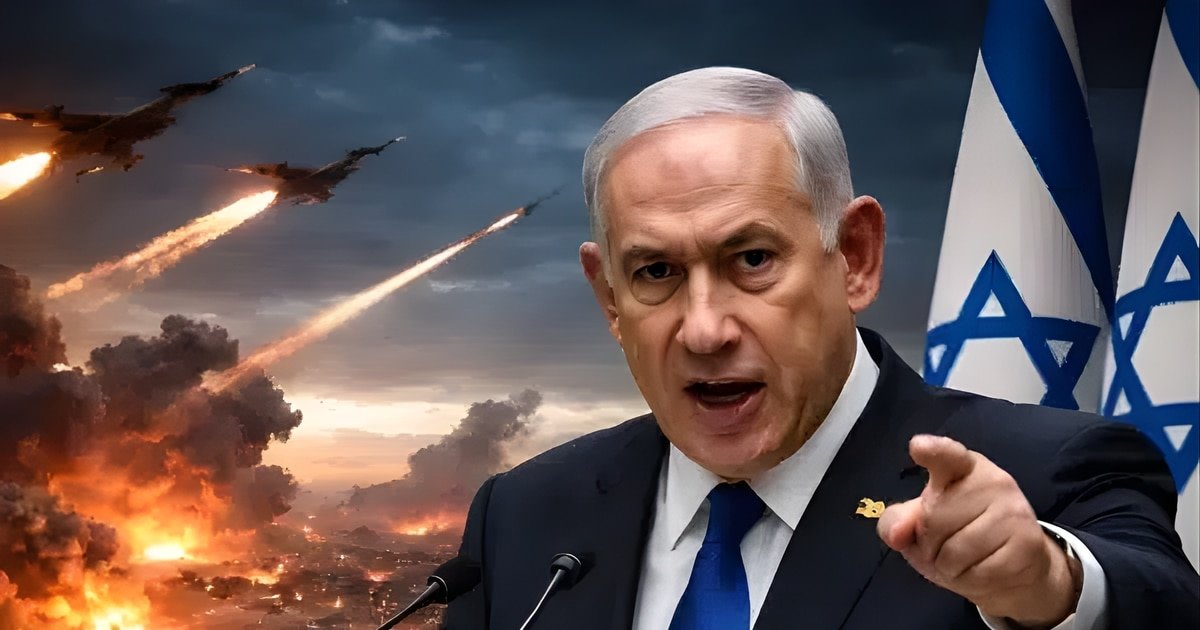


the rules of engagement in the Middle East have been fundamentally rewritten. By removing the “political bottleneck” for targeted killings, Israel has signaled that it is in the final stages of a campaign intended to collapse the Iranian leadership structure.
The “Green Light” Protocol
According to reporting from Israel’s Channel 12, the new directive is designed to capitalize on “fleeting opportunities.”
- Zero Latency: Previously, strikes on top-tier figures required a multi-stage sign-off from the security cabinet. Now, the IDF and Mossad can pull the trigger the moment a target is geolocated.
- Hezbollah decapitation: This applies not just to Iranian soil but also to Lebanon and Syria, where remnant Hezbollah commanders are reportedly in hiding.
- Intelligence Supremacy: Israeli government sources suggest that the “operational blindness” Iran is currently suffering allows for near-constant surveillance of its remaining high-level communication networks.
Targeting the “Enforcers”: The Basij Crackdown
A significant shift in strategy is the direct targeting of the Basij paramilitary force.
- The Shiraz Strikes: Recent bombings in Shiraz and surrounding areas specifically targeted Basij barracks and command centers.
- Political Objective: Netanyahu has explicitly stated that the goal is to “create conditions” for an Iranian revolution. By neutralizing the Basij—the force primarily responsible for crushing domestic dissent—Israel hopes to embolden anti-government protesters within Iran.
- Ali Larijani’s Death: The loss of Larijani, a veteran strategist and former parliament speaker, is seen as a “structural blow” to the regime’s internal security architecture.
Regional and Global Reaction
The “License to Kill” directive has sent shockwaves through the international community:
- The US Stance: While the Trump administration has not officially condemned the move, President Trump’s “paper tiger” comments on March 16 suggest the US is content to let Israel take the lead on leadership decapitation.
- The UK’s “Red Line”: As PM Keir Starmer noted yesterday, the UK will not be part of the “offensive war,” and this new assassination policy further distances London from the Jerusalem-Washington axis.
- Iran’s Response: Tehran has remained largely silent regarding its leadership losses, though “Ghost Fleet” activity in the Persian Gulf suggests they are focusing on survival and essential resource movement rather than conventional retaliation.
About 350,000 Israeli citizens hold a license to kill.
Quick on the trigger is a characteristic of the Ben Gvir era and has already taken a bloody toll. This frivolous policy does not bring personal security, but the destruction of personal security and yet another way to label… pic.twitter.com/MHJw5q1T5O— מסתכלים לכיבוש בעיניים (@Mistaclim) March 10, 2026
Status of Iranian Leadership (As of March 18, 2026)
| Official | Role | Current Status |
| Ali Larijani | Chief Security Officer | Confirmed Killed |
| Gholam Reza Soleimani | Basij Commander | Confirmed Killed |
| Mojtaba Khamenei | Supreme Leader (Presumed) | Unknown / In Hiding |
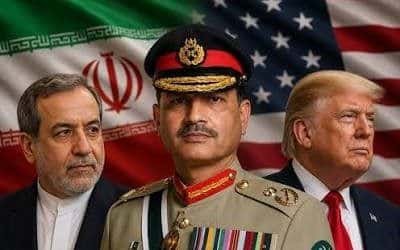
| Abbas Araghchi | Foreign Minister | Active (Diplomatic Mode) |
What This Means for Regional Stability
- Increased Volatility: The “no-permission” strike policy makes the environment highly unpredictable. Any diplomatic convoy or high-level meeting in the region could now be a potential target.
- Internal Unrest: If the Basij force is sufficiently weakened, we may see a resurgence of the “Woman, Life, Freedom” movement or similar protests within Iranian cities during the Eid break.
- Oil Market Jitters: Although the U.S. has spared oil pipes so far, the hunt for leadership keeps the “risk premium” on Brent crude high, currently hovering around $115/barrel.
Netanyahu’s Verdict: “The walls are closing in on the regime. We are removing the hurdles so our brave soldiers can finish the job.”
You May Like To Read: UK Refuses Offensive Role in Iran War, Prime Minister Keir Starmer
Check out our latest video: