


ISLAMABAD, May 16 — The International Monetary Fund (IMF) has set a huge federal revenue target of Rs17.14 trillion for Pakistan’s upcoming 2026-27 budget. This new target is over Rs2 trillion higher than what was expected this year. To hit this goal, the IMF wants the government to introduce Rs430 billion in new taxes and increase the petroleum levy on fuel by 18 percent. These demands are part of the agreement made before the IMF released its latest $1.3 billion loan payment to Pakistan.
Pakistan accepts ₨860 billion tax and enforcement measures, while IMF converts FBR revenue goal into performance criterion after two years of missed targets; defence budget projected at ₨2.665 trillion
Read: https://t.co/eIUO0Pkxly pic.twitter.com/6aHTIczKQd
— Profit (@Profitpk) May 16, 2026
Quick Facts
- The IMF demands a federal revenue target of Rs17.14 trillion for the next fiscal year.
- The plan includes Rs430 billion in new taxes and budgetary measures.
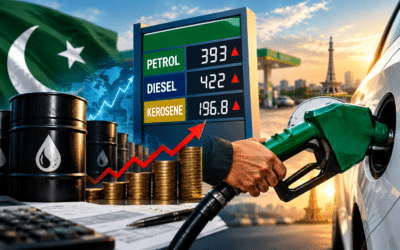
- The petroleum levy target will rise by 18%, potentially pushing the fuel levy to Rs100 per litre.
- Provinces must also collect an extra Rs430 billion through agricultural and services taxes.
- Monthly BISP support for poor families will be increased from Rs14,500 to Rs18,000.
- Electricity subsidies will be cut by over Rs200 billion, with relief linked directly to BISP cards.
- The IMF expects Pakistan’s economy to grow by 3.5% with an average inflation rate of 8.4%.
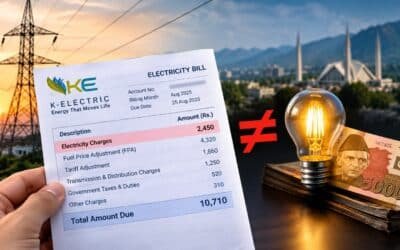
The strict targets come at a time when both the government and the IMF admit that 40 percent of Pakistan’s population is financially vulnerable. Because daily life is getting harder, the government agreed to increase Benazir Income Support Program (BISP) cash transfers to Rs18,000 per family. However, utility bills are expected to rise. The IMF is forcing the government to cut electricity subsidies and change how power relief works. Instead of reducing bills for low-income households automatically, electricity relief will now be paid directly through BISP data.
To ensure the country does not default, the government has promised major structural shifts by the summer of 2026. This includes digitalizing all government payments, ending state control over wheat and sugar markets to allow private trade, and stopping special tax incentives for specific industries. Additionally, the government has committed to strengthening anti-corruption laws and identifying the top 10 most corrupt institutions for detailed audits by the end of this year. An IMF team is currently in Islamabad to make sure these exact numbers are written into the official budget next month.