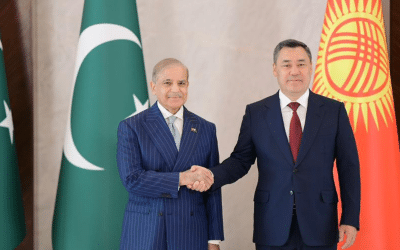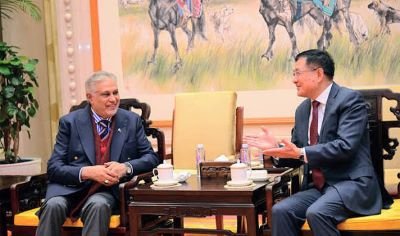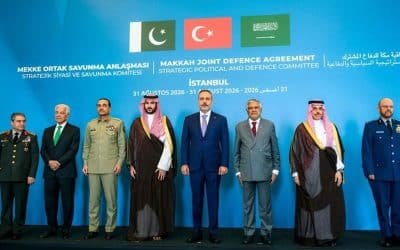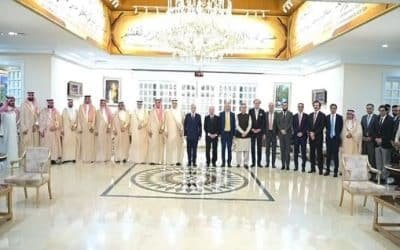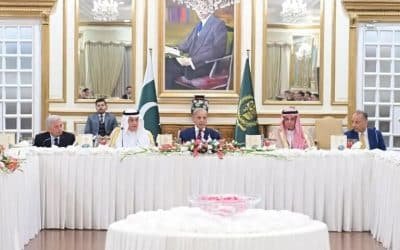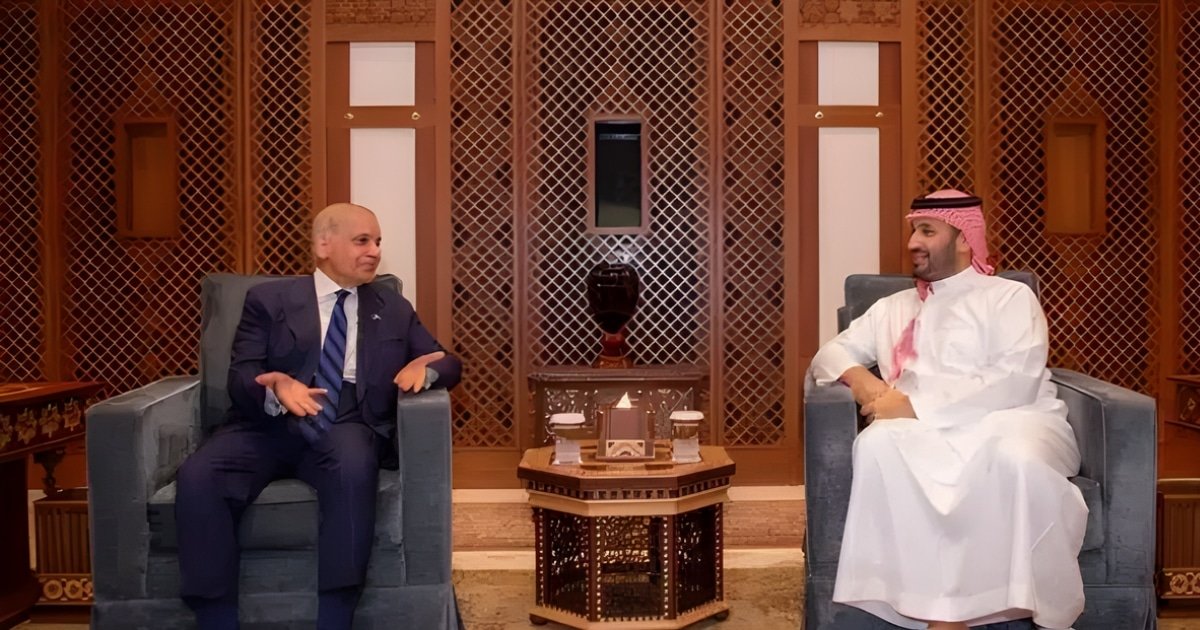


As regional tensions reach a boiling point following the March 14 strikes on Kharg Island and the continued closure of the Strait of Hormuz, Pakistan and Saudi Arabia have stepped up as the primary diplomatic mediators in the Muslim world. The Jeddah talks focused on a singular, critical objective: ensuring that the current crisis does not ignite a “civil war” within the Islamic world.
Preventing a “Wider Confrontation”
The core of the understanding reached in Jeddah is a commitment to dialogue over confrontation.
- Unity Mandate: Both leaders agreed that hostilities must be reduced to promote unity. This is a subtle but firm signal to Tehran and other regional players that Pakistan and Saudi Arabia do not wish to see the Middle East fractured along sectarian or national lines during the broader international conflict.
- Urgent Diplomacy: The meeting emphasized that “urgent diplomatic efforts” are required to resolve disputes before they reach a point of no return.
The Defense of the Holy Sites
For the Pakistani delegation, the security of Saudi Arabia is inextricably linked to the protection of Islam’s holiest sites.
- A Matter of Honor: The Pakistani leadership reaffirmed that the protection of Mecca and Medina is a “responsibility for Pakistan and its military.”
- The “Combat Dress” Signal: Field Marshal Asim Munir attending the meeting in battle dress (combat uniform) was not just for show; it was a strategic message. It tells regional adversaries that Pakistan’s military is ready and “on the clock” to defend the Kingdom’s territorial integrity if provoked.
The “Exclusive Trio” Dinner
The protocol of the visit was as important as the content of the talks.
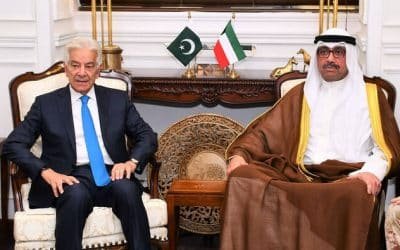
- The Invitees: The Saudi Crown Prince hosted a dinner attended only by PM Shehbaz, DPM Ishaq Dar, and Field Marshal Munir.
- Strategic Significance: Excluding traditional large delegations suggests that the most sensitive “red line” security details and military coordination plans were discussed in a high-trust, closed-door environment.
#BREAKING
Pakistani and Saudi leaders meet in Jeddah/agreement on cooperation for regional peace pic.twitter.com/HXZDPo2dY5— Tehran Times (@TehranTimes79) March 12, 2026
Regional Context: The 17th Day of Blockade
The meeting comes at a time of extreme pressure on global energy and security:
- Hormuz Crisis: With the Strait of Hormuz blocked, Pakistan is facing a severe energy crunch, while Saudi Arabia is managing the security of its alternative oil export pipelines to the Red Sea.
- Operation Ghadb-ul-Haq: Pakistan is currently managing its own conflict on the Afghan border, making the “solidarity” message to Saudi Arabia even more significant, as it shows Pakistan can handle multiple strategic fronts simultaneously.
You May Like To Read: 25 More Flights Canceled from Pakistan to Middle East
Strategic Outlook: The “Shield of Peace”
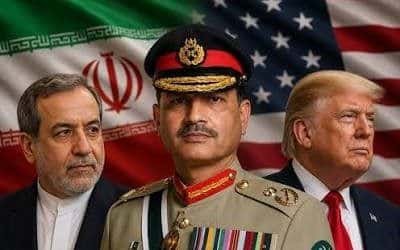
Pakistan and Saudi Arabia are positioning themselves as a stabilizing “Shield of Peace.” By aligning their civil and military leadership so visibly, they are attempting to create a deterrent that prevents the US-Iran war from dragging the entire Gulf region into a permanent state of destruction.
| Key Outcome | Significance |
| Commitment to Dialogue | Rejects the inevitability of an intra-Muslim war. |
| Defense Reaffirmation | Pakistan’s military is the “security guarantor” for KSA. |
| Unity Call | Encourages other OIC members to avoid taking sides in the escalation. |
Check out our latest video: