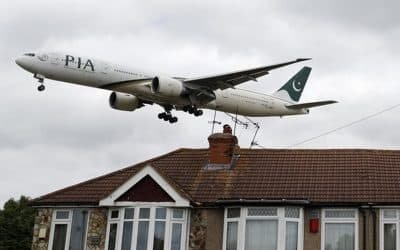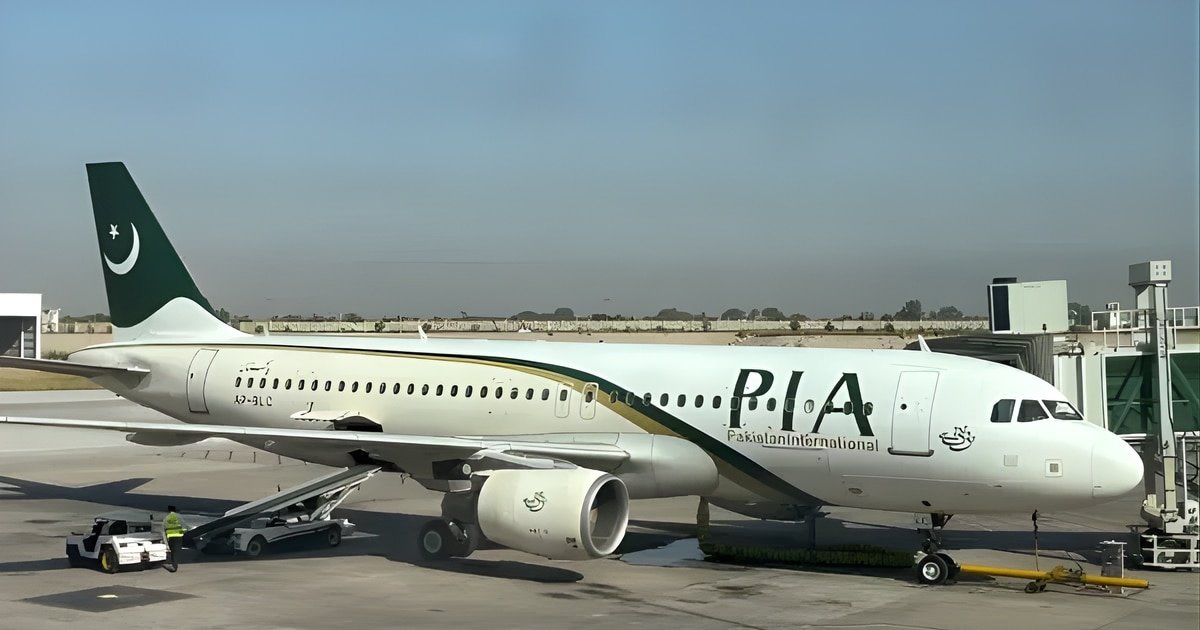


Almost two decades after privatisation discussions first gained momentum, Pakistan International Airlines (PIA) was sold to the Arif Habib Consortium on Dec 23 in a publicly televised auction. While the winning bid stood at Rs135 billion, the transaction has sparked debate over the fact that the government will receive only Rs10.2bn in net proceeds, after adjustments for liabilities. The sale has reignited broader questions about the valuation, timing and objectives of Pakistan’s wider privatisation drive.
PIA’s divestment is part of an ambitious five-year roadmap announced in August, under which the government plans to privatise 24 state-owned enterprises (SOEs) in three phases. The process began in October with the sale of First Women Bank to a firm based in the United Arab Emirates. With more entities lined up, scrutiny of the financial and fiscal rationale behind these sales is expected to intensify.
“Of course, the problem here is that many SOEs own less than what they owe and continue to bleed losses with every passing day.”https://t.co/r8V34Nh0Rf
— Dawn Business (@dawn_business) December 29, 2025
Assessing the true value of SOEs remains complex. Many state-owned entities carry liabilities that exceed the value of their assets and continue to incur operational losses. In FY24, SOEs collectively recorded revenues of Rs13.5 trillion, double the level seen in FY21. However, this headline growth was largely driven by the oil and gas sector, which accounted for around 60 per cent of the revenue increase and 85 per cent of total profits, benefiting from rupee depreciation and higher prices.
Excluding oil and gas firms, much of the SOE portfolio remains under strain. Of the 24 entities earmarked for privatisation, 20 generated revenues of Rs3.87tr in FY24, about 29 per cent of total SOE revenues, yet posted combined losses of Rs225bn. Without these firms, the remaining SOEs would have reported a net profit of Rs195bn.
Losses are particularly concentrated in the power sector, which accounted for Rs199bn in losses in FY24 and dominates the list of the weakest-performing SOEs. PIA remains one of the largest loss-makers outside the power sector. By contrast, some profitable entities, such as State Life Insurance and National Insurance, are also included in the privatisation pipeline, raising questions about the criteria guiding divestment decisions.
You May Also Like: LHC Acquits Man Convicted of Killing Sister for ‘Honour
The fiscal cost of sustaining SOEs is substantial. In FY24, government support to SOEs totalled Rs1.58tr, equivalent to about 12 per cent of budget receipts. Nearly two-thirds of this amount was directed to the power sector, primarily through subsidies, grants and loans, highlighting the burden placed on public finances.
While privatisation could ease fiscal pressures, it is unlikely to eliminate subsidies altogether, particularly in sectors with monopolistic characteristics or public service obligations. Transport and infrastructure entities such as Pakistan Railways and the National Highway Authority, which together posted losses of Rs347bn in FY24, are expected to remain under state control due to their role in providing public goods.
Analysts note that the success of the privatisation agenda will depend not only on asset sales, but also on whether private owners invest for growth rather than relying on continued state support. As more SOEs move toward the exit, the debate is likely to shift from individual transactions to the broader question of whether privatisation can deliver lasting structural change.
Check out our latest video: