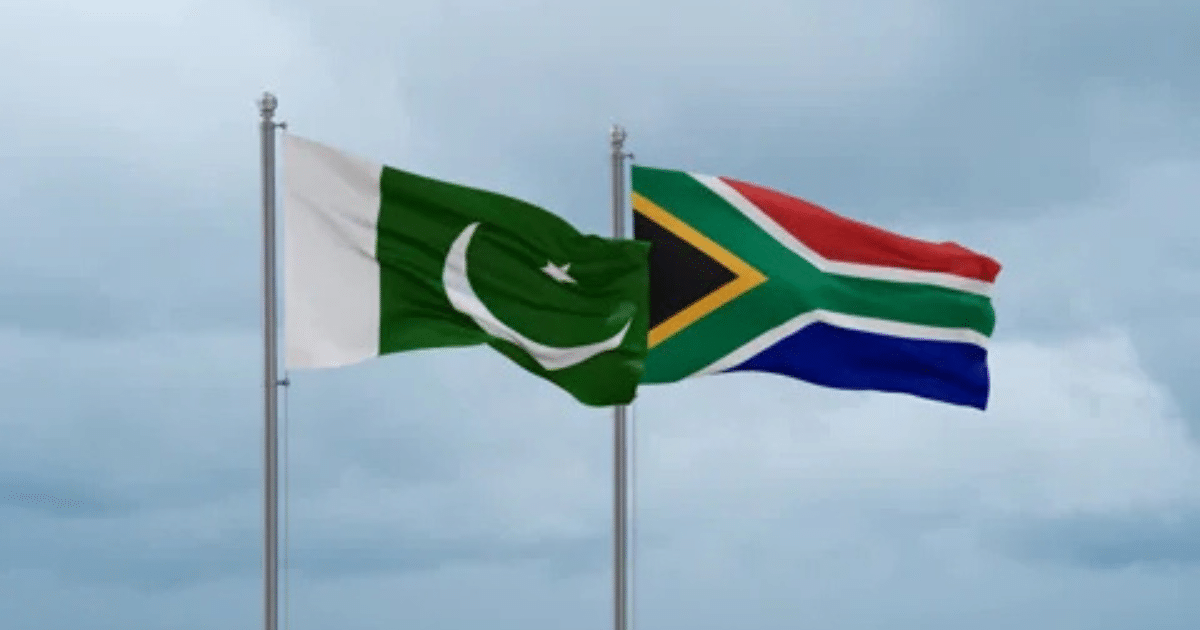





Africa’s enormous economic prospects make it a natural partner for Pakistan. The two regions experience similar issues, like poverty, unemployment, and health crises. The Engage Africa Policy by Pakistan has increased trade missions as well as held conferences. It has also boosted exports in textiles, machinery, agriculture, and pharmaceuticals. The second phase of CPEC provides an even stronger platform to scale this engagement.
Pakistan’s Engage Africa policy, launched in 2019, is showing results. The next phase of CPEC gives it new momentum. Leaders now call Africa a vital partner in Pakistan’s strategic, economic, and development goals. Trade is rising. Bilateral trade crossed $5.45 billion in FY2023-24. Pakistan exports rice, textiles, and pharmaceuticals. It imports tea, cotton, coal, and other goods. These volumes are still small compared to the full potential. In the past, Pakistan focused only on supporting African independence movements. Now the Look Africa plan and its successor, Engage Africa, target a doubling of trade and investment.
You May Like To Read: Information Warfare: How Israel Uses Media Warfare as a Tool Against Palestine?
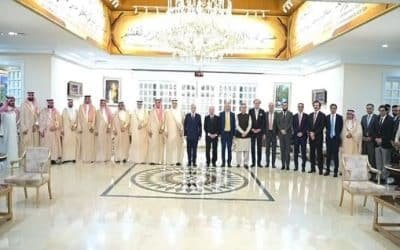
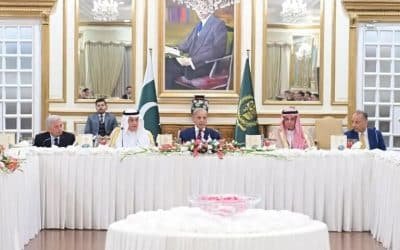
On Pakistan-Africa Friendship Day, Senate Chairman Yousuf Raza Gilani stressed South-South Cooperation. Pakistan seeks wider engagement with Africa after CPEC Phase II. African leaders were invited to the Inter-Parliamentary Speakers’ Conference. Parliamentary diplomacy was framed as a tool for deeper ties. Cooperation was noted in defense, energy, education, agriculture, and infrastructure. Nigeria and Zimbabwe made defense acquisitions from Pakistan. Ethiopian Airlines resumed flights to Karachi, showing progress in connectivity. The Senate passed a resolution to mark the day, signaling intent to institutionalize ties. Adviser Misbah Khar highlighted inter-parliamentary links. These links can help address poverty, food insecurity, and climate change. Together, the initiatives position Pakistan-Africa relations as a natural extension of CPEC Phase II. They also open new space for trade, investment, and development across the Global South.
Celebrating Pakistan-Africa Friendship Day in the Parliament House. pic.twitter.com/q8iPrbTZR0
— Kasim Gilani (@KasimGillani) May 22, 2025
Leveraging CPEC and BRI
The second phase of CPEC creates new opportunities for Africa engagement. Analysts argue Pakistan should use Gwadar and CPEC to work with China on Africa-focused projects. One option is a trilateral special economic zone. Another is logistics corridors linking South Asia to African markets. China’s Belt and Road Initiative already dominates Africa. In 2023, China was Africa’s largest trading partner. Many African governments continue to support BRI projects. Pakistan’s location connects South Asia to the Middle East and beyond. Its CPEC infrastructure, ports, highways, and economic zones offer gateways for African exporters and investors. China’s strong presence in Africa can also ease the way for Pakistani companies. It reduces risks and helps them enter new markets.
Strategic Focus
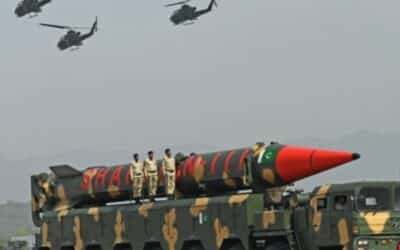
Pakistani policymakers are advised to focus on high-potential sectors and countries, with Sudan emerging as a key case. A recent $1.5 billion defense deal with Sudan included aircraft, drones, armored vehicles, and advanced air defense systems. Alongside earlier exports like the JF-17 jets to Nigeria, such deals expand Pakistan’s role in Africa’s security sector. They also build political goodwill and deepen long-term ties. This agreement highlights Pakistan’s rise as a credible arms supplier.
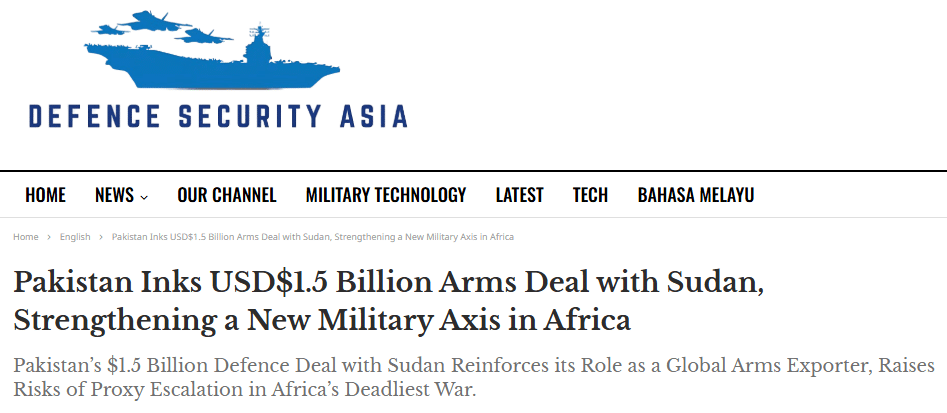
Source: Defense Security Asia
The Commerce Ministry has listed the top African economies, including South Africa, Egypt, Morocco, Sudan, Algeria, Angola, Tanzania, and Ethiopia. The goal is to boost exports by 2025. Pakistan also seeks stronger ties with regional bodies like the African Development Bank and the African Union. These steps show a commitment to shared development. Parliamentary diplomacy and South-South cooperation frameworks add further strength. The focus is on common challenges such as youth employment, agriculture, healthcare, and climate change. Complementary strengths also shape the agenda. Defense exports, education, and technical exchanges are building goodwill.
Looking Ahead
To revitalize relations, Pakistan must expand outreach and deliver value. Priority sectors include pharmaceuticals, agriculture, and IT. Joint ventures under CPEC Phase II can support this agenda. Faster logistics through CPEC ports and land routes can increase the appeal of Pakistani goods in Africa. Lessons can be drawn from China’s reform model. Pakistani firms can also use Chinese-built infrastructure in Africa (roads, ports, and rail) to join supply chains. Active participation in African infrastructure projects can strengthen trade links and raise Pakistan’s diplomatic profile. Africa offers vast opportunities for exports and partnerships. The overlap of CPEC Phase II and the Engage Africa policy creates a historic opening. Aligning with China’s African role can elevate Pakistan–Africa relations in the coming years.
Conclusion
Pakistan’s engagement with Africa reflects strategic vision and economic need. Shared challenges and strengths make Africa a natural partner. CPEC Phase II offers the momentum to scale cooperation. Defense exports, trade, and parliamentary diplomacy show intent to build lasting ties. South-South frameworks add further depth. Aligning with China’s role in Africa creates new opportunities. Competitive sectors can open markets for Pakistani goods. These steps build goodwill and raise Pakistan’s global profile. The moment is a chance to turn Pakistan-Africa ties into a durable partnership. It can be anchored in mutual growth and development.
You May Like To Read: Trump, Putin Hold Phone Call on Ukraine Peace Efforts