


Pakistan’s ties with Africa are not new. The connection began in the 1950s when Pakistan supported many African countries fighting for freedom. It joined hands with them at the Bandung Conference in 1955, where leaders from the Global South came together. They spoke against colonialism and promoted peace. Pakistan and Africa have walked a familiar path ever since.

Image Credit: ISSI
In 2017, Pakistan made a bold move. It launched the “Look Africa Policy.” This later became the “Engage Africa Policy.” The goal was simple: trade more, talk more, and build deeper ties with African nations.
Embassies, Events, and Engagement
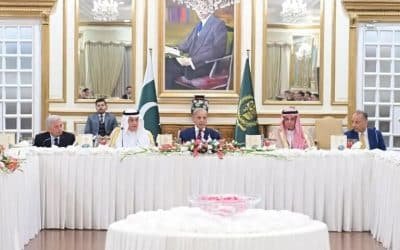
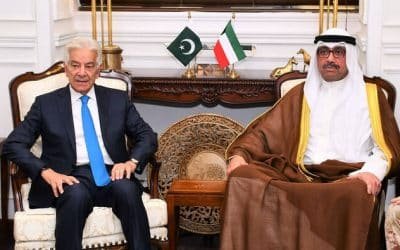
In 2025, Pakistan opened new embassies in Uganda, Rwanda, Côte d’Ivoire, Djibouti, and other African countries. This shows real action. Now, trade talks and student exchanges happen faster. The government also held Africa Day celebrations in Islamabad, attended by African ambassadors. The Senate passed a resolution to declare May 25 as “Pakistan–Africa Friendship Day.” These steps send a clear message: Pakistan is serious about Africa.
Trade Growth and New Paths
Trade with Africa has grown. In 2022, Pakistan–Africa trade reached US$7 billion. Exports include rice, clothes, sports goods, surgical tools, and medicine. Countries like Kenya, Nigeria, Algeria, and South Africa are among the top partners. But this is just the beginning. Pakistan’s commerce minister visited Rwanda this year to discuss cooperation in tourism, education, and healthcare. Deals in these sectors will help create jobs on both sides.
Still, challenges remain. African markets often charge high tariffs. For example, Kenya places a 35% duty on Pakistani goods like rice. Pakistan pays more, while its imports from Kenya get much lower rates. This makes it harder for Pakistani exports to grow.
More Like This:
Kenya as a Key Link
Kenya plays a special role in Pakistan’s Africa plan. It serves as a gateway to 38 countries in East Africa. Through Kenya’s port in Mombasa, Pakistan can reach deep inland markets. Kenyan officials have invited Pakistani companies to set up warehouses and joint factories in Kenya. Talks on a preferential trade agreement are already underway. These are not just ideas; they are steps in motion.
What the World Isn’t Seeing?
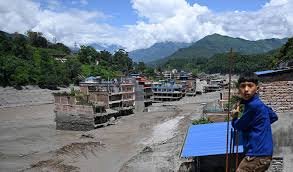
Global media often miss these stories. They show Pakistan only through a narrow lens: floods, court cases, protests, or poverty. These things do happen—but they are only one part of the picture.
Media outlets rarely cover the African summits hosted by Pakistan, the bilateral visits, or the Pakistan–Africa Trade Conferences held in cities like Lagos, Nairobi, and Johannesburg. They don’t show Pakistan helping to build digital ID systems in Africa, offering training through NADRA, or exporting cheap medicine to countries that need it.
Strong Support in Health and Tech
Pakistan offers low-cost vaccines, cancer medicine, and health tools to African partners. Hospitals in Algeria and Somalia use surgical instruments from Pakistan. Pakistani health workers also train doctors and nurses in these countries (Somalia, Algeria)
In tech, Pakistan has helped some countries launch basic biometric ID systems. It also shares software for managing elections and public data. These soft-power efforts matter—and grow trust.
What Makes It Work?
This pivot works because it is equal. Africa and Pakistan both benefit. It is not charity. It is smart cooperation. Pakistan gets new markets for goods. African countries get better access to skilled labor, public health, and digital tools. Pakistani universities also offer scholarships to African students, especially in medical and engineering fields.
Peacekeeping is another strong area. Pakistan has sent over 200,000 troops to UN missions—many of them to Africa. It’s one of the largest peacekeeping nations in the world.
What Still Needs Work?
Despite all this progress, Pakistan must still do more. It should:
- Sign more trade deals with African blocs like ECOWAS and EAC.
- Launch a Pakistan–Africa Youth Program to connect students and startups.
- Reduce red tape for exporters.
- Offer Urdu and regional language courses for African diplomats.
Also, Pakistan’s embassies in Africa must become more active in promoting tourism and media outreach. More direct flights between Pakistan and African hubs like Nairobi or Addis Ababa would boost business and people-to-people contact.
You May Like To Read: BREAKING: P. Chidambaram Sparks Firestorm Over Pahalgam Attack – “Why Blame Pakistan Without Proof?”
A Story Worth Telling
Pakistan’s South pivot is not just working, it is growing. The state has opened embassies, passed laws, signed deals, and built friendships. Yet this story gets buried under news of floods or crises.
The truth is: Pakistan is reaching out. It is building bonds with African nations that are deep, practical, and fair. It sends doctors, engineers, tech experts, not just press releases. It works on the ground. Global media must cover this. They must show Pakistan not only as a country in need, but as a country that gives, shares, and leads. That full picture matters.
The pivot to Africa is innovative. It is peaceful. It is steady. It’s a plan that doesn’t grab headlines—but it builds hope. And in a world often divided, this South–South bond deserves more attention.