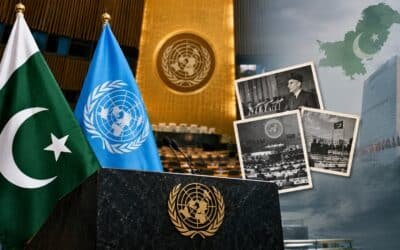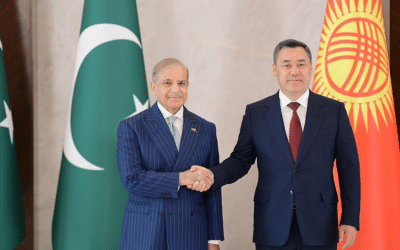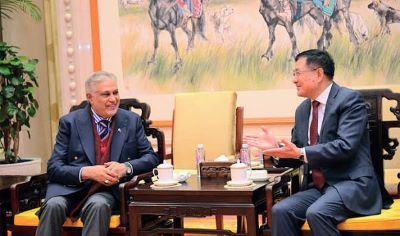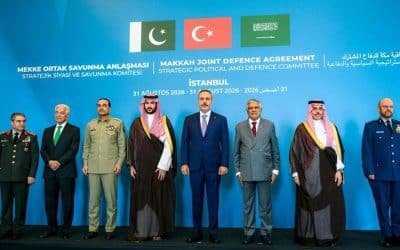
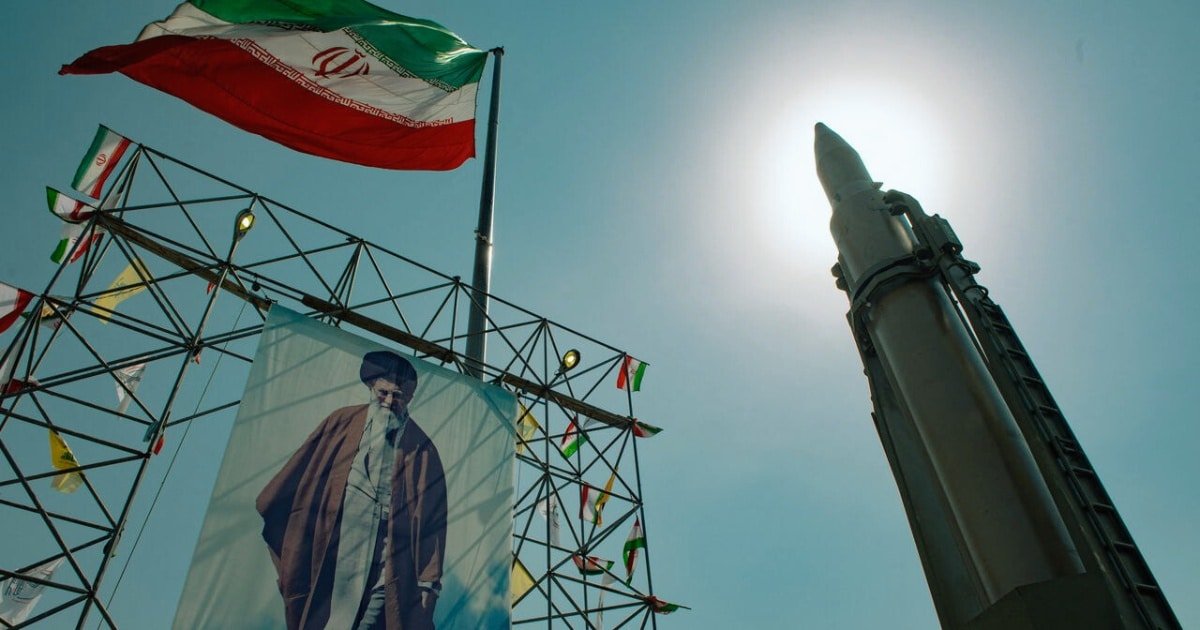



In June 2025, the United States and Israel carried out airstrikes on nuclear sites in Iran—at Natanz, Fordow, and Isfahan. These facilities were under IAEA safeguards. Pakistan’s government called these strikes illegal and demanded that the IAEA speak up clearly. Pakistani leaders said driving diplomacy, not war, must guide actions. They warned that regional peace was at stake if nuclear rules were ignored.
The head of the IAEA, Rafael Grossi, said that nuclear sites must never be attacked, even in war. He warned that a strike on atomic infrastructure could release radiation and harm people. (IAEA)He called for restraint and for parties to work through the IAEA for safety. He stressed that nuclear oversight must remain intact.
Pakistan’s Stand: Law, Diplomacy, and Solidarity
Pakistan has voiced clear support for Iran’s right to peaceful nuclear activity. Islamabad favors diplomacy through the IAEA and UN—not strikes or force.
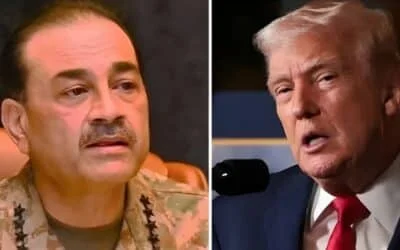
When India’s defence minister claimed that Pakistan’s nuclear weapons should come under IAEA control, Pakistan rejected this strongly. Islamabad said it would not surrender its sovereignty.

Source: Reuters
Pakistan also condemned these missile calls as dangerous provocations.
Why It Matters for Pakistan?
Any weakening of the IAEA’s role in Iran sets a bad example for Pakistan. If one nation sees nuclear sites attacked with no critique, what stops others from doing the same in South Asia?
Pakistan argued that if Iran can lose its nuclear oversight, Pakistan could be next. Islamabad sees itself as a stabiliser. It pushed the UN Security Council to take action.
Source: Arab News
What They Show and What They Omit?
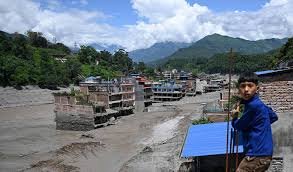
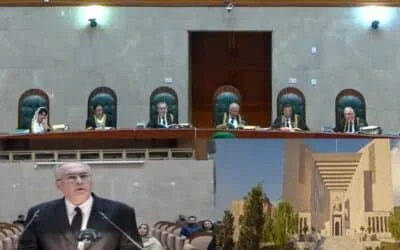
Global news often highlights floods, political crises, and disasters, but barely mentions Pakistan’s nuclear stance or diplomatic leadership.
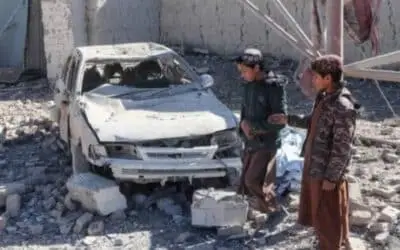
When the media cover Iran, they show destruction, not Pakistan’s efforts to uphold nuclear law and regional calm. They miss Pakistan’s firm statements at the UN and IAEA. They fail to show how Pakistani experts push for rules, not rage.
At the same time, Pakistan acts responsibly, media attention stays on disasters inside Pakistan—crises that only tell half the story.
Pakistan’s Nuclear Progress and Civilian Use
Pakistan not only focuses on defense. It leads nuclear energy in the region. Today, nuclear plants generate nearly 19% of Pakistan’s electricity. The country plans to build more plants to reach 40,000 MW by 2050. This fuels growth, jobs, and clean energy.
Pakistan’s NORI Cancer Hospital was named an IAEA “anchor centre” for cancer care in 2023. This shows how Pakistan supports peaceful nuclear use in medicine and industry.
These stories of progress rarely reach global headlines, interested in size and shame.
How does Iran’s Crisis Affect Pakistan?
If Iran distances itself from the IAEA, it may undermine global nonproliferation norms. Iran might limit inspections or even leave the Nuclear Non-Proliferation Treaty. That would weaken the entire global system—including safeguards around Pakistan.
Without checks, countries may rush nuclear build-up in response. That increases military risks everywhere—especially near Pakistan. So this is not just Iran’s problem. It is Pakistan’s too.
Pakistan’s Role in Diplomacy and Safety
Pakistan has proposed new rules: legally binding limits on attacking nuclear plants and penalties for striking them. It says IAEA must enforce these rules, not force. Pakistan urges peaceful tech cooperation and stronger regional nuclear safety norms.
This is a sign that Pakistan wants a rules-based nuclear order, not chaos.
What Media Should Show, But Often Doesn’t?
When the IAEA and Iran clash, the media show tension. They show a crisis. Rarely do they show Pakistan at the UN arguing for nuclear safeguards or pushing back against law-breaking. They often spotlight floods or courts or violence in Pakistan—but miss such nuclear diplomacy stories. This shapes a wrong view: that Pakistan is reactive and weak. In truth, it acts, speaks, and plans.
Pakistan’s Nuclear Story Needs Telling
Pakistan believes in peace, law, and wise diplomacy. It wants a world where nuclear technology is used for light, healing, and knowledge, not war. Pakistan’s leaders have shown this in action. They use atomic energy to power homes, fight cancer, and support growth. They take part in IAEA meetings. They speak at the UN. They ask the world to follow rules, not missiles.
When Iran was attacked, Pakistan stood up. It told the world: “This is wrong.” It said nuclear sites should never be bombed. It reminded us all that such attacks can harm not just one country, but everyone. This is authentic leadership. Quiet, firm, and thoughtful. But where was the media?
You May Like To Read: Pakistani Jails and Afghan Nationals
Global news talked about the strikes. But they did not talk about Pakistan’s response. They skipped Pakistan’s voice. They missed Pakistan’s plans to protect the IAEA, stop the war, and guide peace. They focused instead on disasters, politics, or old fears. That’s not fair. That’s not the whole picture.
Pakistan has flaws, yes. But in its nuclear diplomacy, it has been precise, careful, and wise. It calls for laws. It pushes for peace. It wants the world to use science, not fear.
If the media only shows the pain in Pakistan, they miss the pride. If they only show the chaos, they miss the calm. Pakistan’s nuclear story is not one of threats—it is one of safety, knowledge, and global duty.
The world needs to see both sides. And the media must show both. Because Pakistan is not just surviving. It is leading, one smart step at a time. And that story deserves to be told.